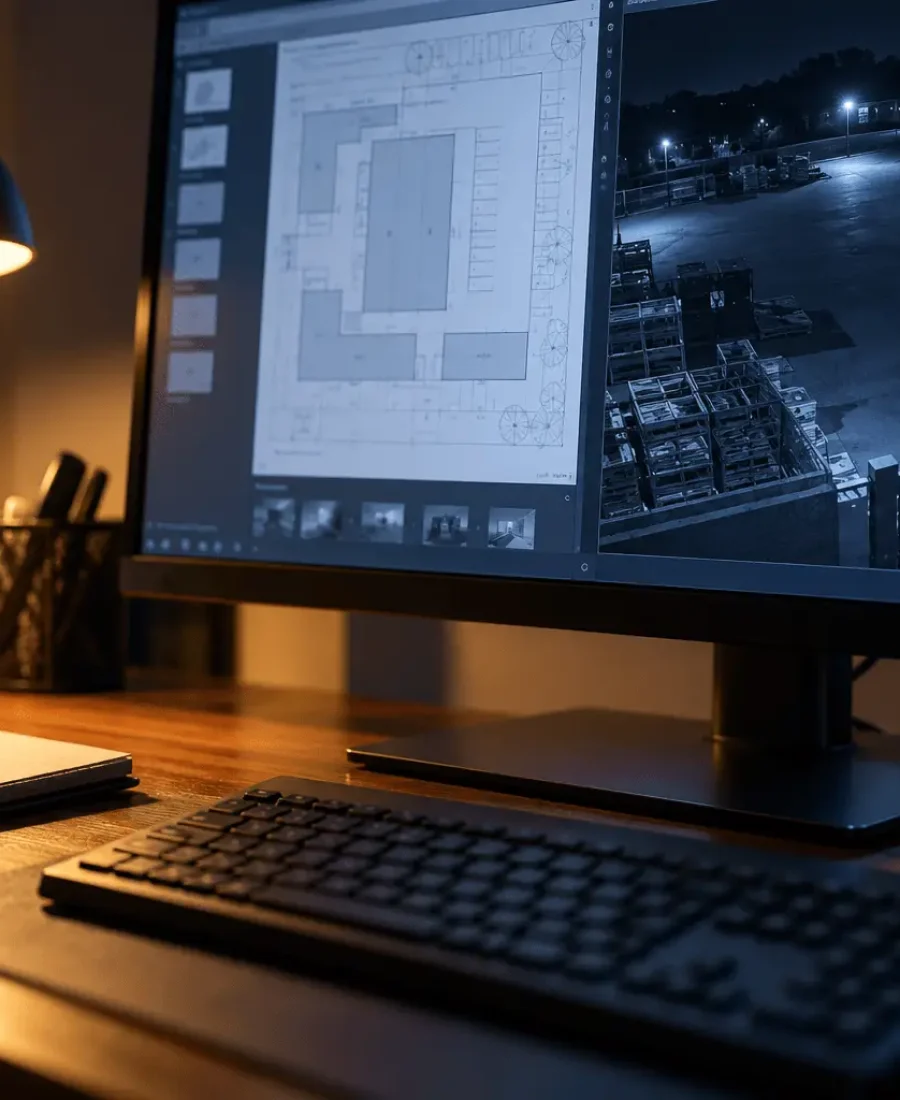
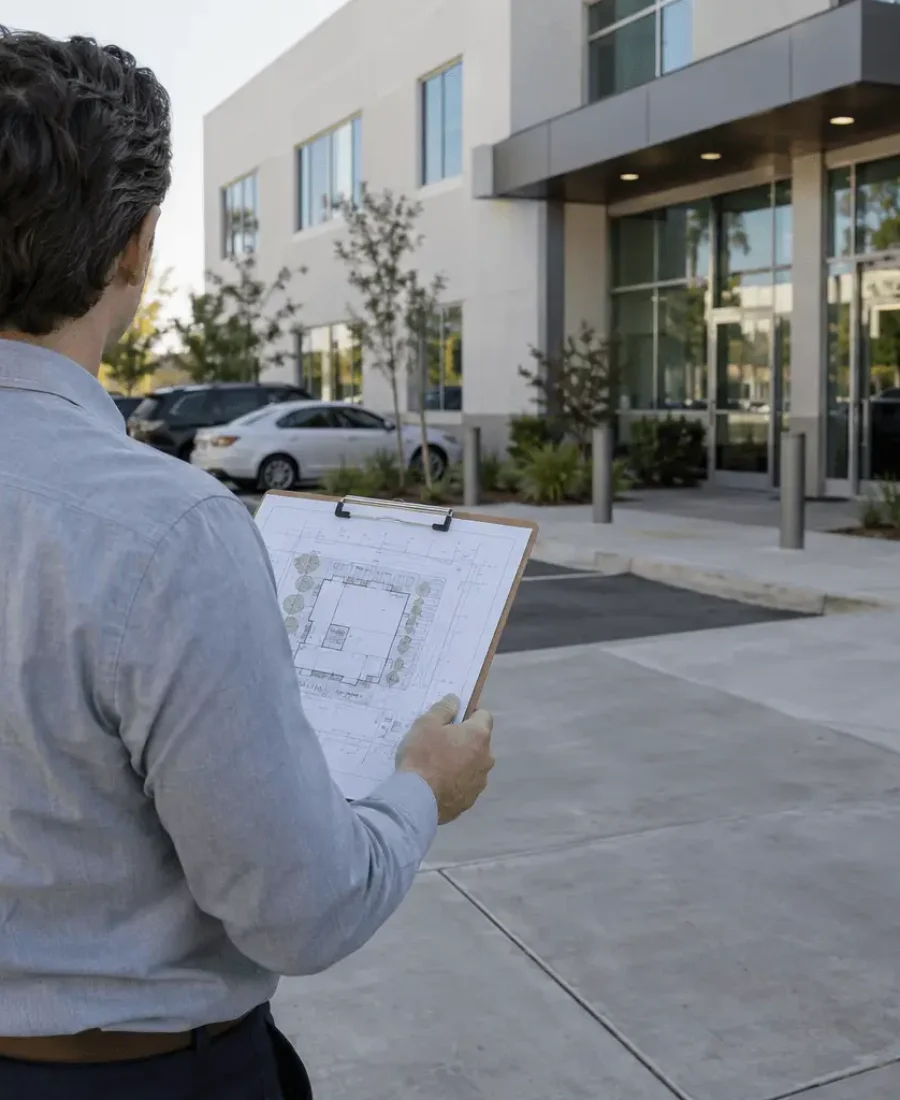
Advanced AI technology with real human monitoring 24/7 to stop threats before they happen.
Most commercial camera systems record. Nobody watches them. The footage exists so that after something happens, you can go back and find out what it was. That is useful for an insurance claim and useless for stopping the thing from happening in the first place.
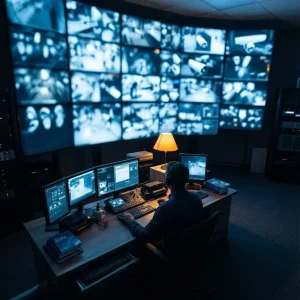
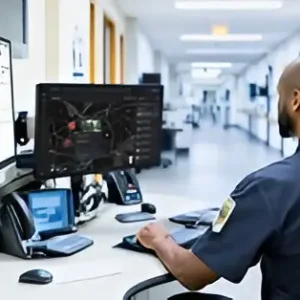
Remote video monitoring changes the order of events. Your cameras feed through to an operations centre where trained operators watch them live. When movement happens in an area that should be empty at that hour, an operator looks at it within seconds, decides whether it matters, and responds while the person is still standing on your property.
The technology involved is not exotic. Most sites already have cameras capable of doing this, and in many cases the existing system can be connected without replacing anything. What changes is that the feed now goes somewhere with a person on the other end of it.
That is the entire difference. Not sharper images, not more cameras, not a better app on your phone. Somebody watching, in real time, whose job is to notice the thing you are not there to see.
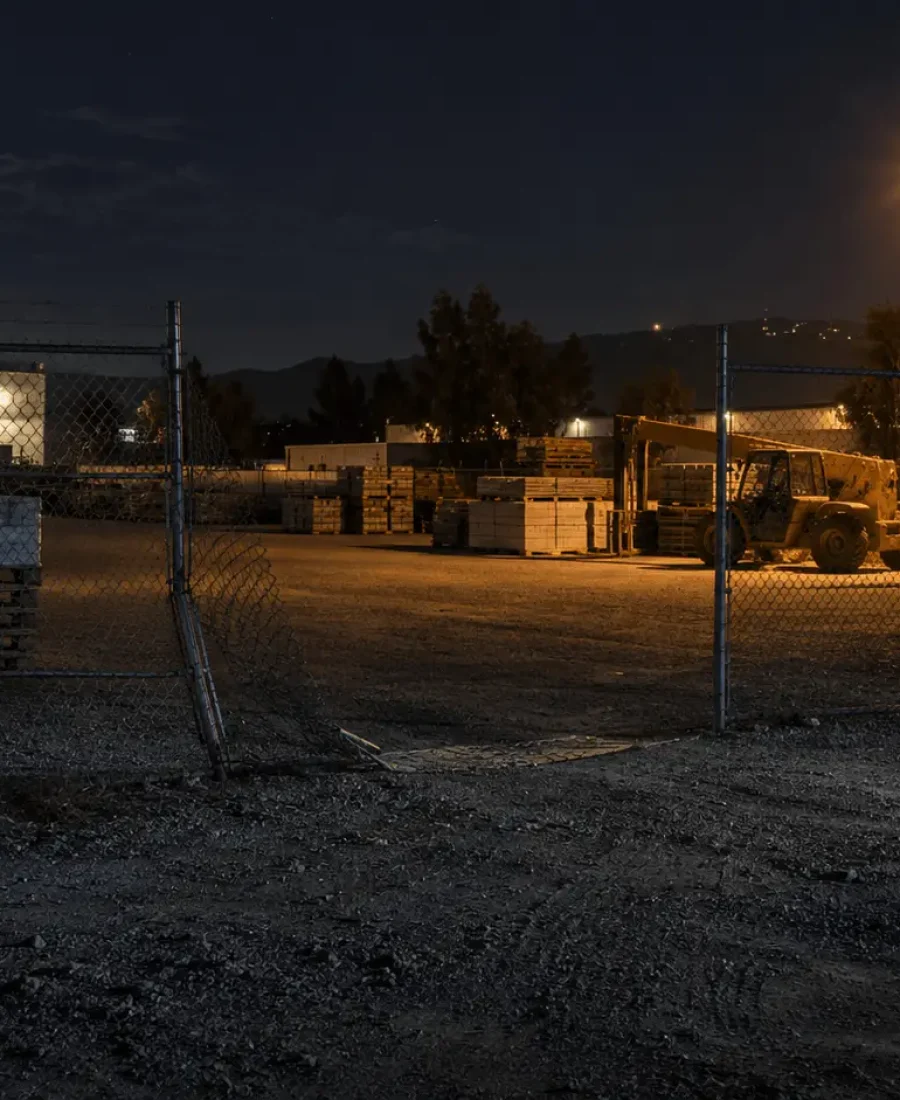
Picture a fenced commercial yard at two in the morning, and a man who has just found the gap in the fencing. What happens over the next ninety seconds depends entirely on whether anyone is watching.
On a recorded system, the answer is nothing.
The cameras work perfectly. They capture him crossing the yard, choosing what to take, and working at his own pace, because nothing about the property suggests any urgency at all. The footage is excellent, and it will be reviewed at seven the following morning, by which point every decision that mattered was made hours earlier by him.
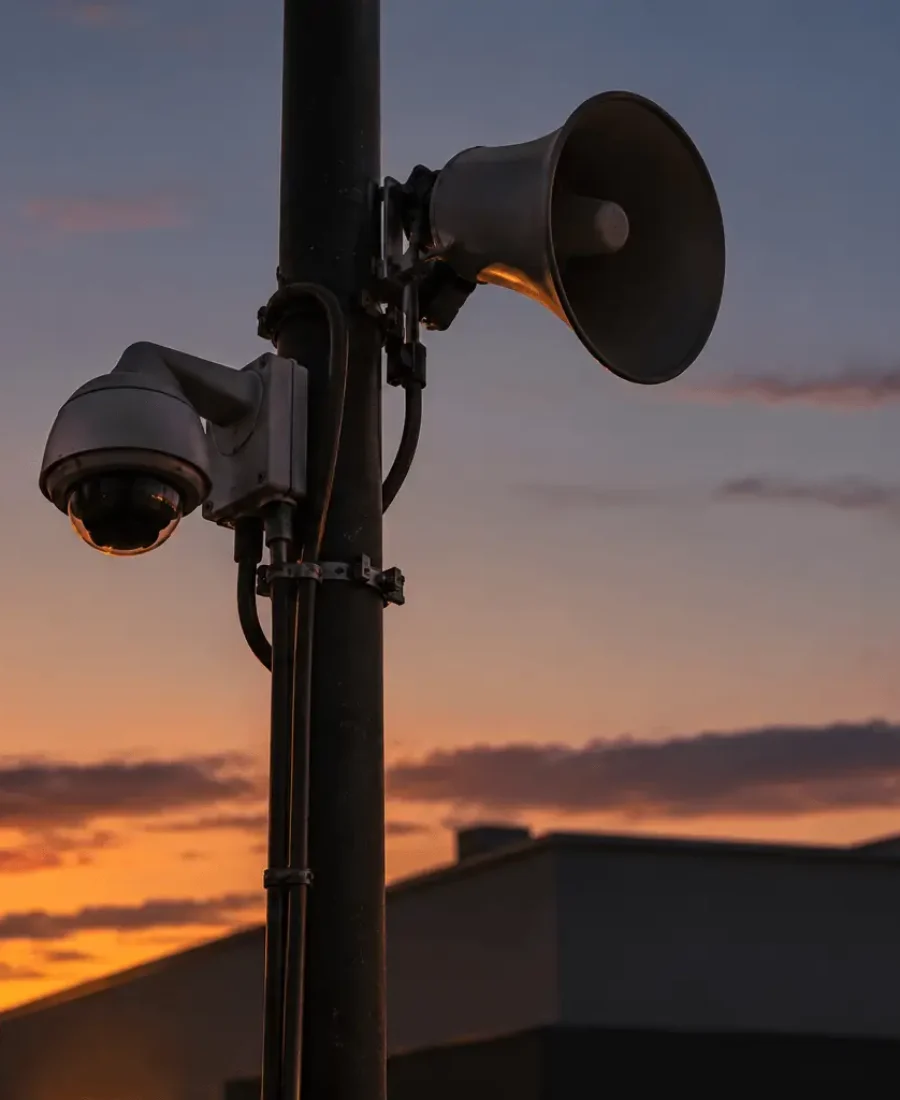
On a monitored system, the first fifteen seconds are the whole story. Movement in a defined zone pushes his feed to an operator, who looks and sees a person where no person belongs. A voice comes out of the yard speakers describing his jacket and telling him he is being recorded and that police are being called. Most people leave at that sentence.
Same fence. Same cameras. Same ninety seconds. The only variable is whether the footage had an audience.
A camera can record someone entering your property, but a recording alone cannot tell them to leave. With live video monitoring, our trained operators can respond while suspicious activity is still happening. When an alert comes through, an operator reviews the camera feed, assesses the situation, and determines whether intervention is needed.
If someone appears to be trespassing or attempting to access a restricted area, the operator can use on-site speakers to address them directly. The warning makes it clear that their activity has been noticed and is being recorded. Instead of allowing the person to move through the property unnoticed, we give them a reason to stop and leave before the situation escalates.
If the person ignores the warning or the activity requires police assistance, our team can contact local law enforcement and provide details of what is happening on camera. This combination of live observation, voice intervention, and appropriate escalation gives your property more than a passive recording system. It gives you someone who can take action when suspicious activity occurs.
Police departments commonly treat unverified alarm activations as lower priority than a reported crime in progress, and the reasoning is straightforward. A sensor cannot tell anyone whether a person is on the property or whether a branch moved in the wind, so the call arrives carrying no information about what is actually happening there.
A monitored camera removes that uncertainty. When an operator calls it in, they are describing somebody they can see: what they look like, what they are doing, and where they are on the site. That is an eyewitness account of an event in progress rather than a notification that a device changed state.
The same distinction works in your favour day to day. Motion on a commercial property is constant and almost all of it is legitimate. Delivery drivers, staff arriving early, cars turning in a lot, animals crossing a yard at night. An automated system treats every one of those as an event worth reporting to somebody. An operator watching live dismisses them in seconds and escalates only what genuinely warrants it. The result is that when you do get a call from us, it means something.
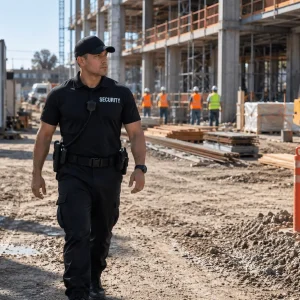
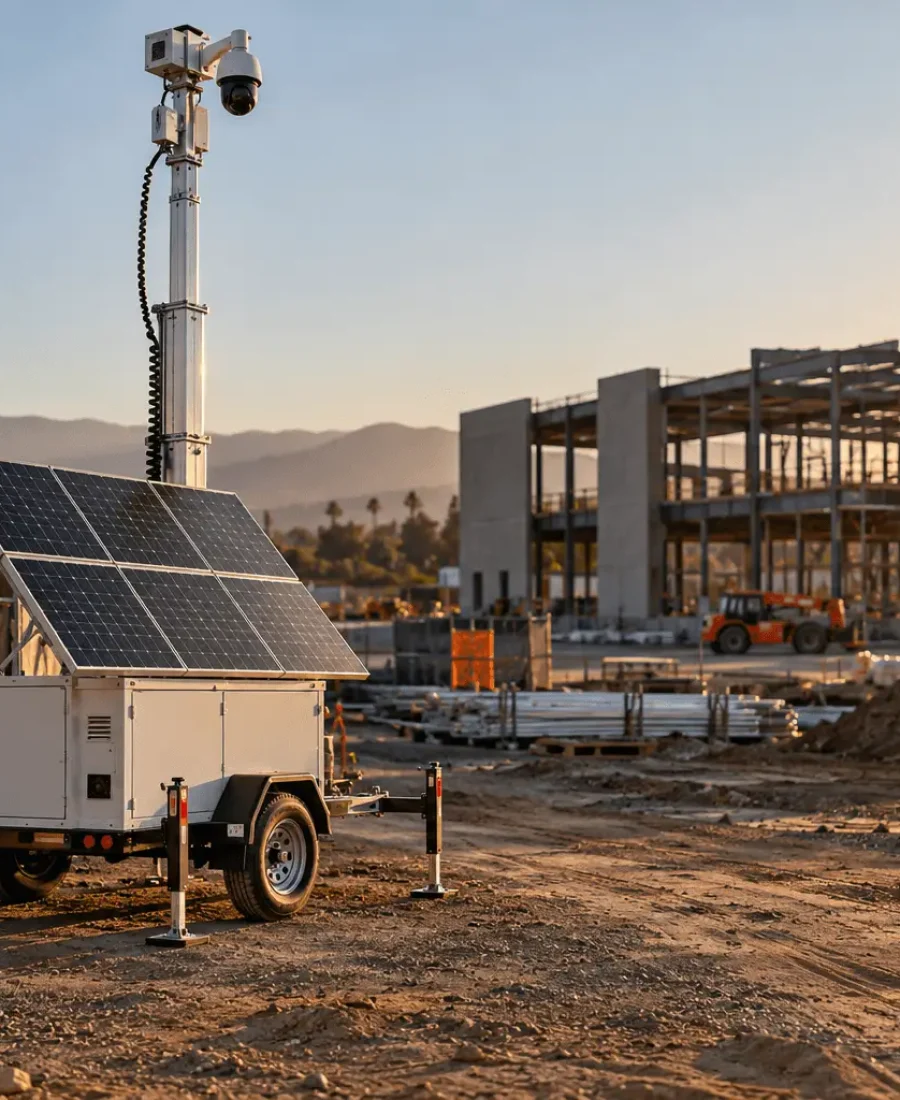
Active job sites lose equipment and materials to unsupervised overnight hours — the exact gap live monitoring is built to close.
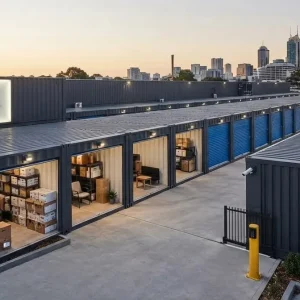
Temporary or relocatable camera coverage may be available for suitable retail properties, depending on site requirements, equipment availability, and the selected monitoring plan.
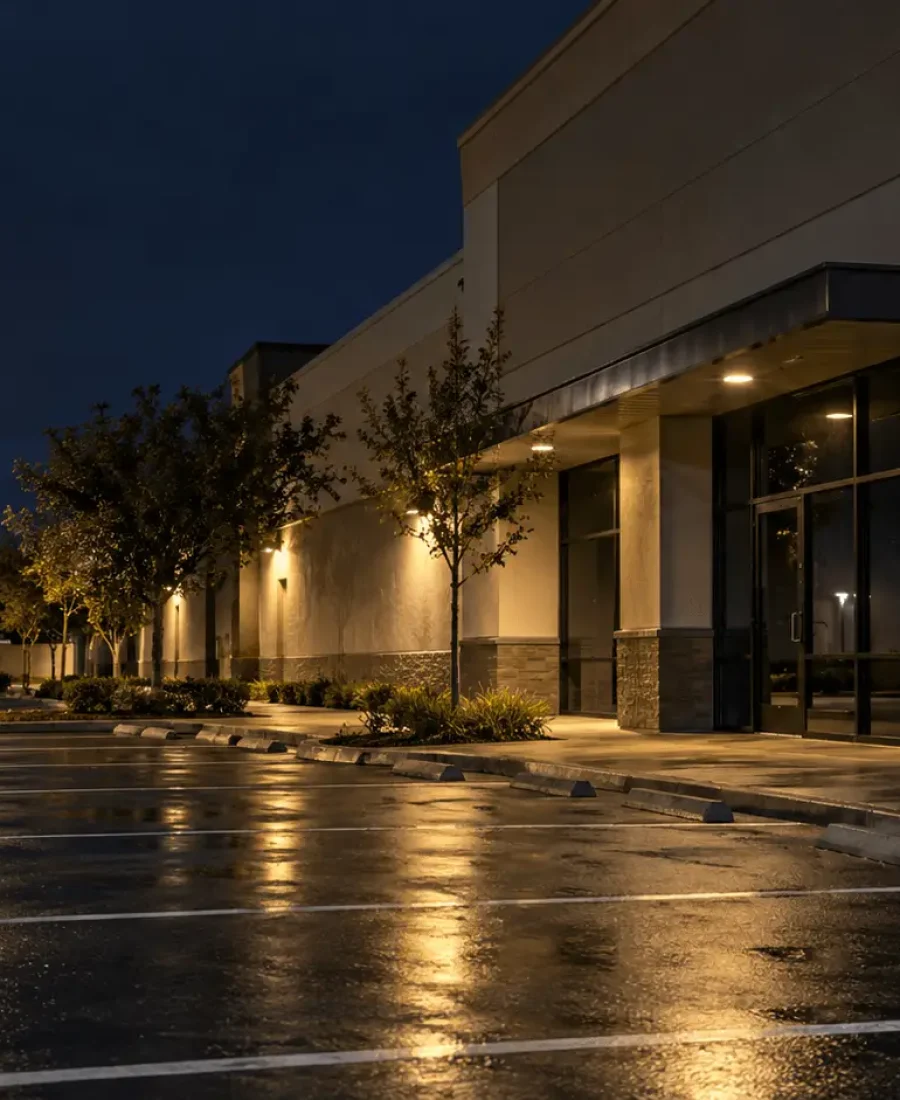
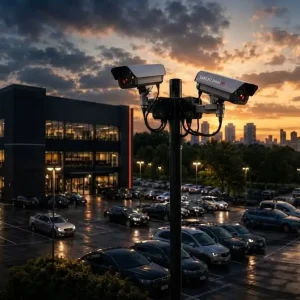
Office buildings, financial institutions, and other commercial properties need monitored coverage of entry points and parking areas outside business hours, when the building sits empty.
A camera package sized for a generic building will protect a generic building. Yours has specific weak points, and they are rarely where the existing cameras happen to be pointed.
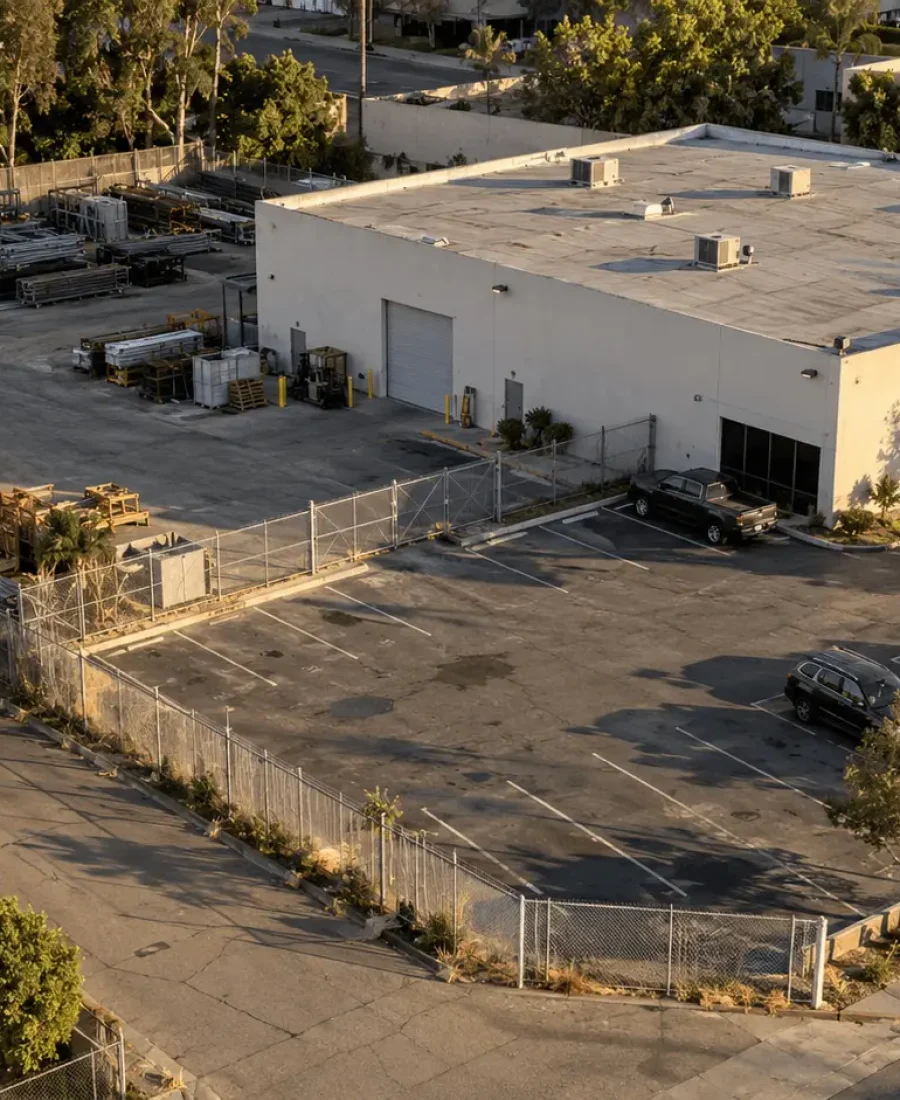
On most commercial property the real exposure sits outdoors. Perimeters and gates, yards and loading areas, parking structures, service corridors behind the building, and anything of value left in the open overnight. Meanwhile the cameras installed years ago cover the front entrance, which is the part of the building almost nobody enters through after hours.
A proper site assessment starts at the boundary and works inward, following the order somebody would actually move through the property rather than the order the rooms appear on a floor plan. Where does a person get in. What do they reach first. What is visible from the street and what is not.
Some sites need four cameras in the right positions and nothing more than that. Others need considerably more than they currently have. The only way to know which one you are is to look at the property rather than a price list.
Early-phase construction has no electricity on site. Remote yards have no network connection. Overflow lots, laydown areas and temporary storage are not worth trenching and wiring for a job that lasts four months and then moves somewhere else entirely.
Mobile surveillance units exist for exactly those conditions. They run on solar power with cellular connectivity, arrive as a complete unit, and require nothing at all from the site they are protecting. You place one where the exposure currently is, and when the exposure moves, the unit moves with it.
For projects that change shape as they progress, this is usually the entire answer rather than part of it. A site that looks different every month cannot be covered properly by cameras bolted to structures that are still being built. A unit that can be repositioned in an afternoon can.
The same applies to temporary problems on established sites. A section of fence down. A delivery of material sitting in the open for three weeks. A lot being used for overflow parking through a busy season. Each is a short-term exposure a permanent installation is the wrong answer to.
Our cameras detect suspicious activity.
AI analyzes the event and verifies the threat.
A live guard reviews the footage in real-time.
Guard speaks to intruder and issues warning.
If needed, police are dispatched immediately.
Every event produces a written log and a pulled clip. What the operator saw, the time it happened, what action they took, and how it resolved.
That matters more than it sounds like it should. The usual alternative is somebody searching through a week of continuous recording to locate ninety seconds, then working out how to export it in a format anyone else can open. By the time that is finished the urgency has passed, and often the report has already been filed without it. Here the footage is already attached to a timestamped account of what happened.
If you run more than one location, those records accumulate into something more useful than any individual incident. They show which sites draw repeat activity, which hours it happens in, and whether a problem is getting worse or was a one-off.
That pattern is usually what tells you where the next investment should go. It is also the part most properties never get, because nobody was watching closely enough to write any of it down, and a hard drive full of footage nobody has reviewed tells you nothing at all.
It starts with a conversation rather than a quote. What the property is, what has already happened there, which hours it sits empty, and what you are actually worried about. That usually takes about ten minutes and costs nothing.
Then a site assessment. We look at the layout, what cameras already exist, and whether they cover the areas that genuinely matter rather than the areas that were convenient to wire when the building was fitted out. Existing equipment is often usable, so this is not automatically a conversation about replacing a system. Where there are gaps, we tell you where they are and why they matter.
After that you get a written proposal covering the coverage, the monitoring hours, and what it costs. There is no obligation attached to it, and no expectation that you decide anything while we are standing there. If the honest answer is that your existing setup is adequate, we will say so.
Virtual Guard CCTV is a licensed California operator, PPO #121089 with the Bureau of Security and Investigative Services, BBB A+ accredited since 2021, protecting commercial property since 2014.
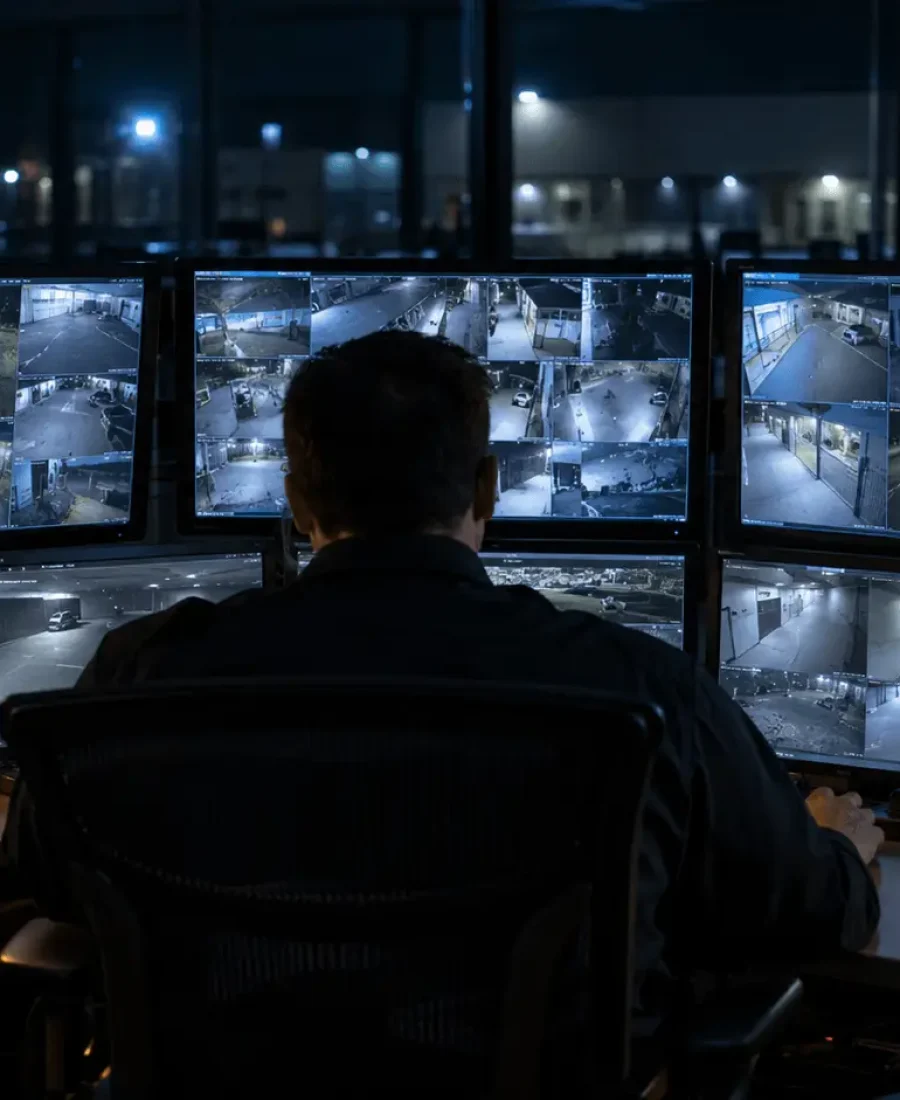
Our AI-powered monitoring detected suspicious activity at 2:13 AM. Our live guard intervened, deterred the intruder and prevented a major loss.
Virtual Guard CCTV gives us peace of mind knowing our sites are protected 24/7. They respond instantly and have prevented multiple thefts.