GET A QUOTE
Storefront & Stockroom Security

Retail Store Remote Video Monitoring

Retail Store Security

What Is Retail Store Video Monitoring?

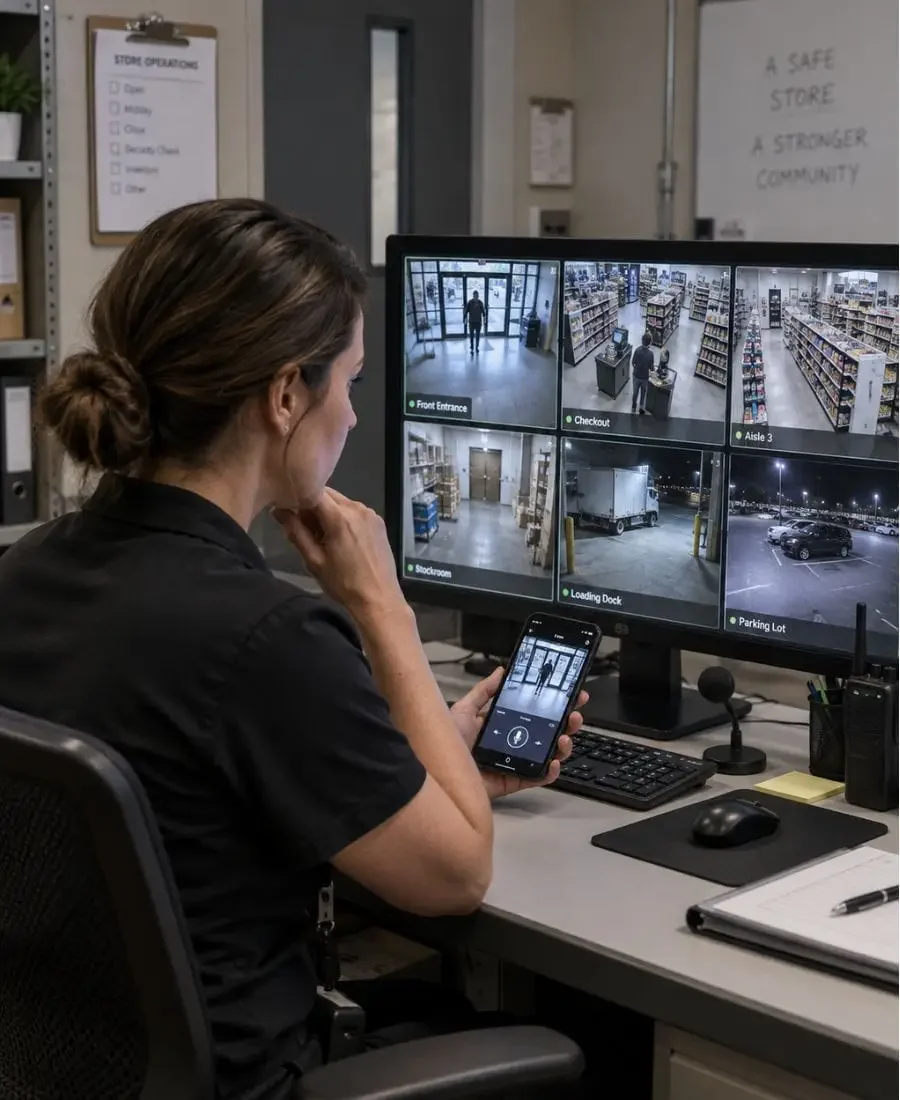
Retail store video monitoring combines surveillance cameras, AI-powered activity detection, and trained security operators to help protect sales floors, stockrooms, entrances, and parking areas. During contracted monitoring hours, potentially suspicious activity can be flagged for operator review. Depending on the situation, installed equipment, and established response protocols, operators may issue live audio warnings or contact law enforcement when appropriate. These measures can help identify and respond to potential security threats without guaranteeing that every theft or break-in will be prevented.

Retail stores lose value in two very different places: the sales floor during business hours, where shoplifting and organized retail crime groups target high-value merchandise, and the stockroom, loading dock, and exterior after the doors are locked, where break-ins target registers, safes, and pallets of inventory staged for restock.

Cameras covering entrances, registers, stockrooms, and parking areas can help identify suspicious activity based on the property’s system configuration and monitoring schedule. When an event is flagged, a trained operator can review the footage, assess the situation, and take appropriate action according to the site’s response protocols.

During trading hours, the risk is shoplifting and organized retail crime crews working the floor in groups. After close, an empty store with a locked front door is still vulnerable through a rear entrance, loading dock, or parking lot — the hours when a break-in has the most time to go unnoticed.

Unlike recorded-only surveillance systems, live video monitoring adds the ability to review flagged activity and respond to potential security threats during contracted monitoring hours. While intervention cannot guarantee prevention, it can provide an opportunity to address suspicious activity before additional losses occur.
What We Provide

COMPLETE SECURITY SOLUTION

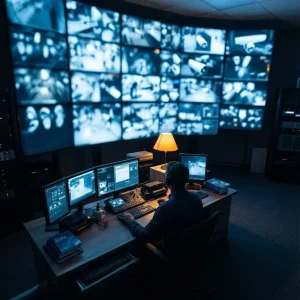
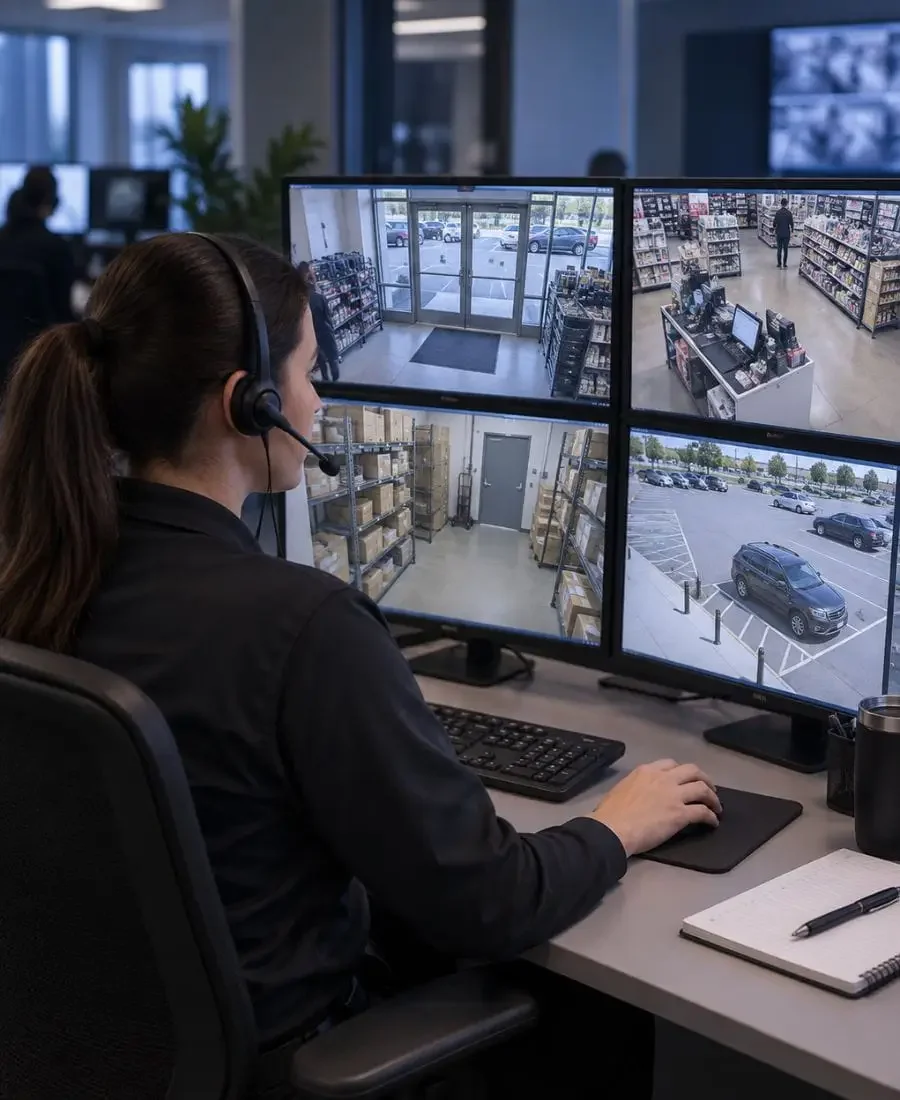
Monitoring Agent watching over sites
Live, Not Reviewed Later​

Real Operators Respond to Suspicious Activity

Virtual Guard CCTV combines AI-powered video detection with trained security operators who review suspicious activity around your storefront, stockroom, and parking areas during contracted monitoring hours. Coverage can be scheduled around your store’s operating hours and specific security requirements.

Unlike cameras that only record footage for later review, monitored cameras can alert trained operators when potentially suspicious activity is detected. Depending on the installed equipment and response protocols, an operator may issue an audio warning through on-site speakers or contact the appropriate authorities when necessary.

This added layer of monitoring can be particularly valuable during opening, closing, and overnight hours when staffing may be reduced. Actual coverage and response procedures depend on the store’s monitoring schedule and service agreement.

Where Store Loss Concentrates

What Retail Stores Lose Most, and Where

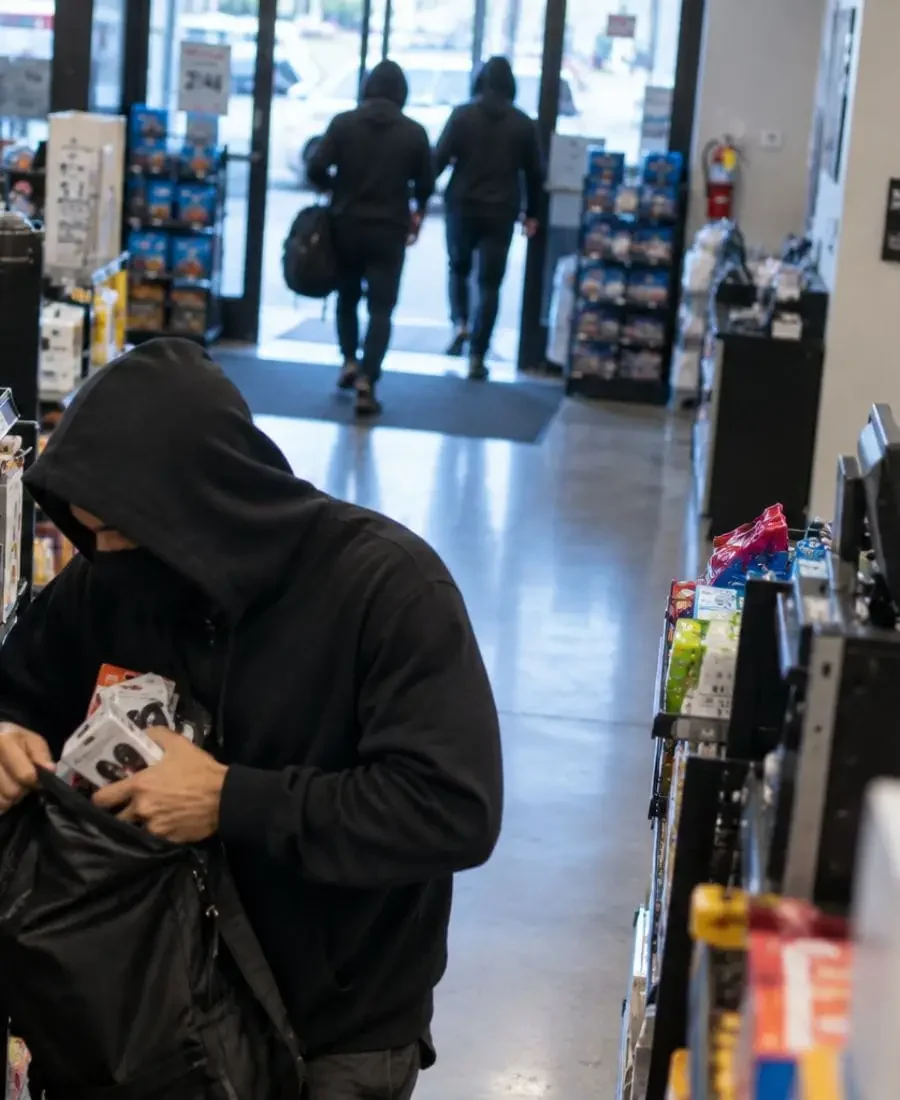
Shoplifting during business hours, organized retail crime crews working in groups, and after-hours break-ins each target a different part of the same store.

During trading hours, registers, high-value merchandise displays, and shelves near store exits may be vulnerable to shoplifting or coordinated theft. The areas most at risk vary depending on the store’s layout, merchandise, customer traffic, and existing security measures.

After close, risk shifts to the stockroom, loading dock, and rear entrance — areas with less foot traffic and, often, less camera coverage than the sales floor up front.

Masked men stealing from a retail store
Industries We Protect

Other Businesses We Watch Over​

Years of experience
0 +
Businesses Protected
0 +
BBB
A+
Monitoring
0 /7

CONSTRUCTION SERVICES

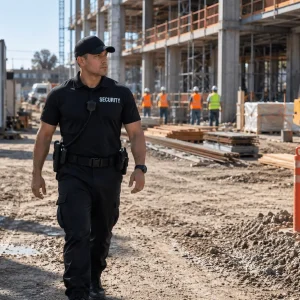
Active job sites lose equipment and materials to unsupervised overnight hours — the exact gap live monitoring is built to close.

Years of experience
0 +
Businesses Protected
0 +
BBB
A+
Monitoring
0 /7

RETAIL SERVICES

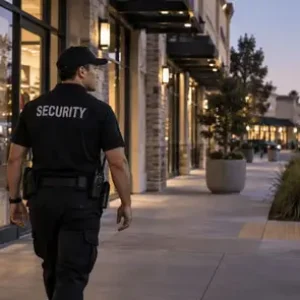
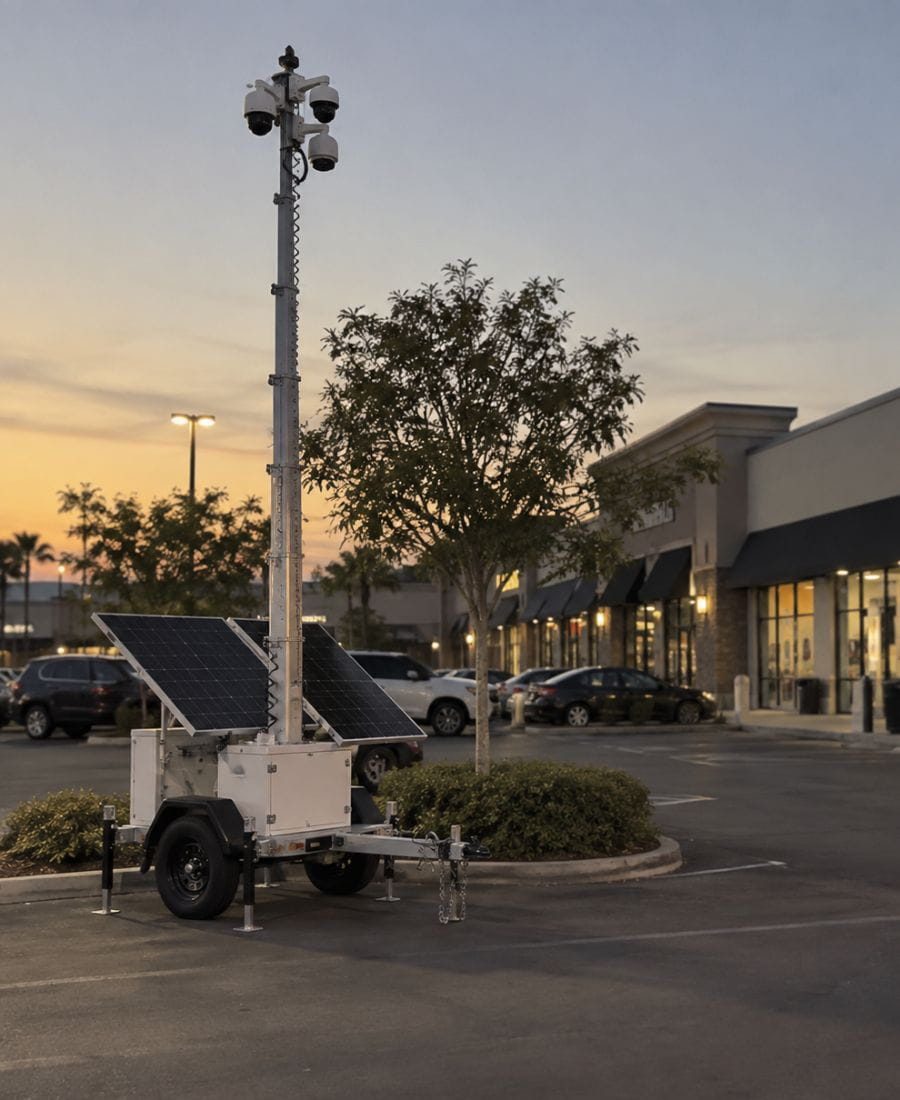
Temporary or relocatable camera coverage may be available for suitable retail properties, depending on site requirements, equipment availability, and the selected monitoring plan.

Years of experience
0 +
Businesses Protected
0 +
BBB
A+
Monitoring
0 /7

INDUSTRIAL SERVICES

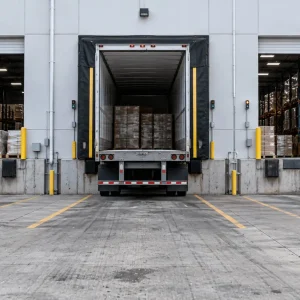
Warehouses and distribution facilities carry high-value inventory across large, hard-to-patrol footprints, where live camera coverage replaces walking a perimeter that’s too big to physically check.
Years of experience
0 +
Businesses Protected
0 +
BBB
A+
Monitoring
0 /7

COMMERCIAL SERVICES

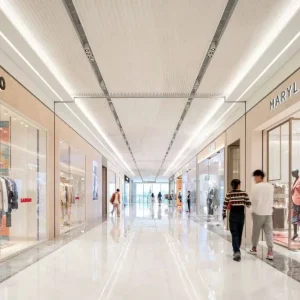
Office buildings, financial institutions, and other commercial properties need monitored coverage of entry points and parking areas outside business hours, when the building sits empty.

Mobile surveillance unit at a retail store
Retail and Beyond

Other Properties on the Same Monitoring Plan

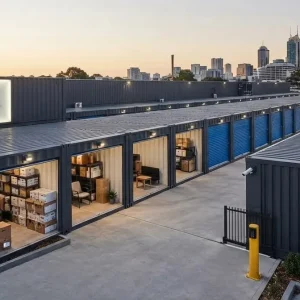
Retail businesses often have security needs that extend beyond the sales floor. Storefront entrances, stockrooms, loading docks, parking areas, and nearby storage spaces can present different risks depending on customer traffic, delivery schedules, and operating hours.

Virtual Guard CCTV provides AI-powered video monitoring solutions that can be configured around these areas. During contracted monitoring hours, the system can flag potentially suspicious activity for review by trained operators, helping businesses identify unauthorized access, unusual movement, and other security concerns.

For retailers operating multiple locations or managing additional commercial properties, monitoring requirements can be evaluated based on each site’s layout, camera coverage, and security priorities. The available coverage and response procedures depend on the equipment installed and the monitoring arrangements established for each property.

Floor, Stockroom, and Lot

Coverage From the Storefront to the Back Lot

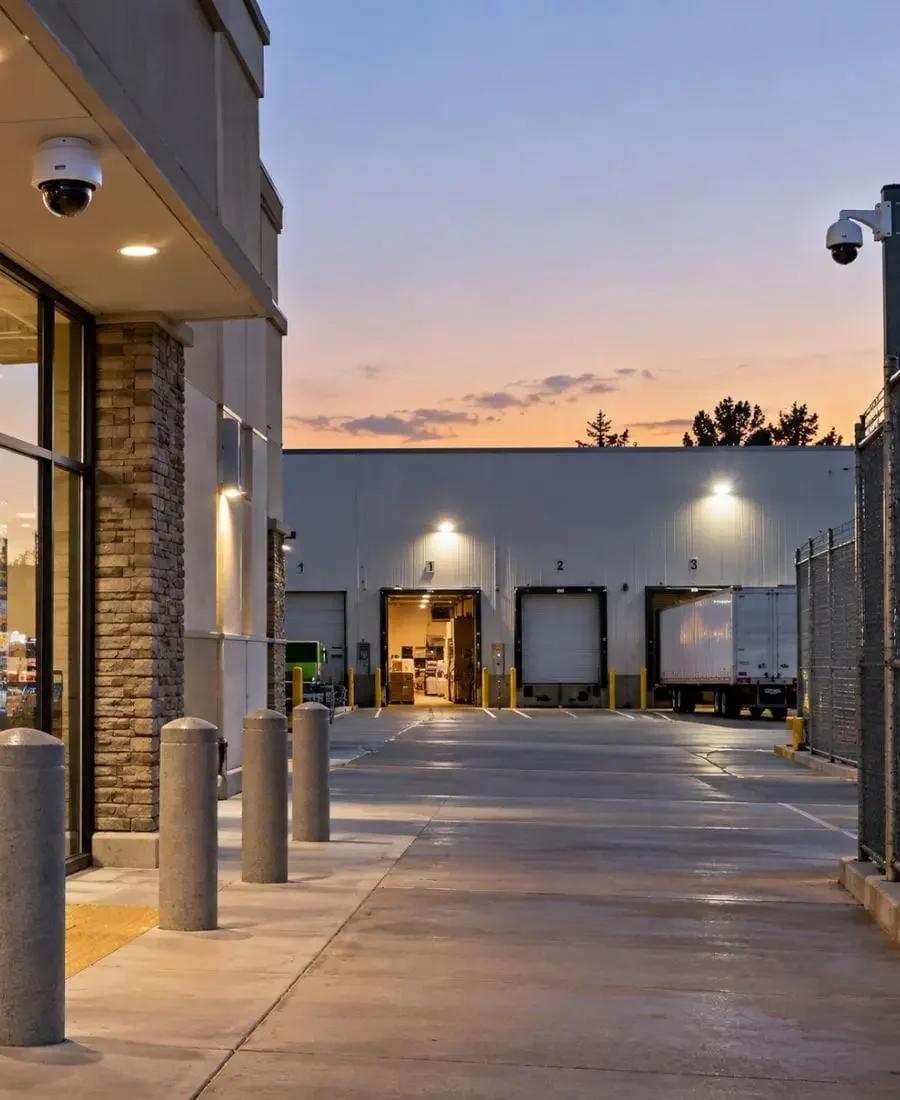
Camera placement that covers the entrance and registers isn’t necessarily the same setup needed to monitor the stockroom, loading dock, and parking lot after closing hours. Each area has different security concerns that should be considered when planning a retail monitoring system.

Entrance and register cameras can be positioned to help monitor customer activity and provide visibility around checkout areas. Additional cameras may be recommended for stockrooms, loading docks, and other back-of-house locations where deliveries, inventory movement, and restricted access create different security needs.

Parking lot and exterior cameras can extend visibility beyond the storefront, particularly during closing hours and periods of reduced staffing. Actual camera coverage and monitoring availability depend on the property’s layout, installed equipment, and contracted monitoring schedule.

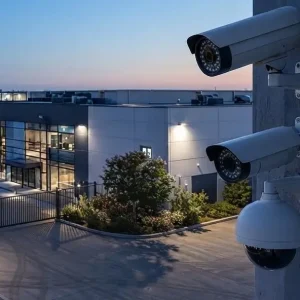
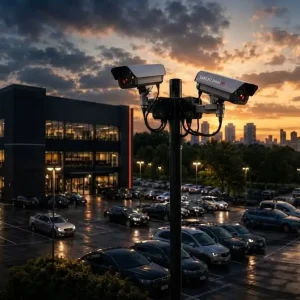
cameras watching over a retail store from above
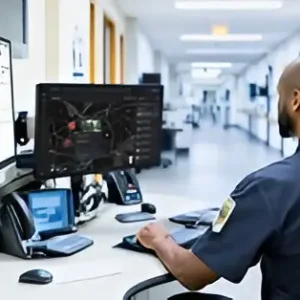
Lady watching over a monitored site
What You Receive

What's Included With Retail Store Monitoring

Retail store video monitoring combines surveillance cameras, AI-powered activity detection, and trained security operators to help protect storefront entrances, sales floors, stockrooms, and exterior areas. Available features may include night vision, two-way audio, and remote camera access, depending on the equipment installed and the selected monitoring plan.

Camera placement and monitoring coverage are tailored to each property’s layout and security requirements. During contracted monitoring hours, AI-powered detection can flag potentially suspicious activity for operator review. Night vision and audio capabilities depend on the cameras and supporting equipment installed at each location.

Store managers may have remote access to camera feeds and incident information, depending on their system configuration and service agreement. Where incident reporting is included, available records can help document identified security events, operator responses, and relevant details for future review.

Video Monitoring For High-Risk Properties

Walk us through your trading hours and where the store’s losses actually land, and we’ll come back with a camera plan and a quote.

WHERE WE SERVE

Retail Monitoring Statewide

Stores in shopping districts, strip centers and standalone locations across California get the same after-close coverage.

Los Angeles County Orange County San Diego County Riverside County San Bernardino County Ventura County Santa Clara County Alameda County Sacramento County San Joaquin County
retail questions

Retail Store Security FAQ

What store owners want to know before monitoring goes live.

How do you prevent shoplifting in a retail store?

Virtual Guard CCTV helps retailers identify potential shoplifting through AI-powered video detection and trained operator review during contracted monitoring hours. When suspicious activity is detected, operators can assess the footage and, when appropriate, notify store staff or law enforcement according to established response procedures. While no system can prevent every theft, live monitoring provides an opportunity to respond before further losses occur.

Organized retail crime can involve coordinated theft by multiple individuals, creating security challenges for store staff. AI-powered video monitoring can help identify potentially suspicious activity for operator review during contracted monitoring hours. Depending on camera coverage and established response protocols, operators may assess flagged events, notify store personnel, or contact law enforcement when appropriate.

The right retail setup usually combines entrance and register cameras for clear views of transactions, wide-angle coverage for the sales floor and aisles, and exterior cameras for the parking lot and loading dock. Night vision matters for after-hours coverage, and two-way audio lets a monitoring center operator speak directly to someone on the premises. Camera hardware alone only records; pairing it with live monitoring is what turns the footage into a real-time response.

Electronic Article Surveillance (EAS) uses security tags or labels that trigger an alarm when merchandise passes through store exit sensors without proper deactivation. EAS helps alert store staff to potential theft, while video monitoring provides additional visibility around entrances and checkout areas. Direct integration between EAS alarms and camera monitoring depends on system compatibility and the services available.

AI-assisted video analytics can flag motion in restricted areas, detect loitering near an entrance after hours, or highlight unusual activity for an operator to review, cutting down the number of camera feeds one person has to watch manually at any moment. It doesn’t replace a live operator — it prioritizes what that operator looks at first, so real-time verification and response still come from a person watching the flagged activity, not the software alone.

Retail shrink comes from multiple sources — shoplifting, organized retail crime, employee theft, and administrative error — and the split varies widely by store type and region, so we don’t publish a specific percentage breakdown without a sourced study behind it. What stays consistent is that live monitoring addresses both ends: an operator can flag suspicious activity from customers on the floor and from staff in back-of-house areas where cameras often go unwatched.