GET A QUOTE
Industries We Protect

Manufacturing Facility Monitoring

Manufacturing Plant Security

What Is Manufacturing Facility Security Monitoring?

Manufacturing facility security monitoring combines surveillance cameras, AI-powered activity detection, and trained security operators to help protect production floors, storage yards, and facility perimeters. During scheduled monitoring hours, the system identifies potentially suspicious activity and alerts an operator for review. The operator assesses the footage, determines whether a security threat exists, and can issue an audio warning or contact law enforcement when appropriate, following the facility’s established response protocols.

Manufacturing plants often sit on large industrial parcels with long fence lines, multiple vehicle gates, and open yard space that a single guard walking a perimeter can’t fully cover in one pass, leaving stretches of fencing, parked trailers, and blind corners unwatched between rounds.

Raw material stockpiles, staged pallets, and finished goods waiting for shipment sit in yards and loading areas that typically get less foot traffic than the production floor itself, making them an easier target once the last shift of the day clocks out.

Shift changes create brief windows when doors are propped open and attention is split between incoming and outgoing crews, and the gap between the last shift out and the next one in leaves the plant with the fewest people on-site of any point in the day.

Idle equipment, hand tools, and scrap metal staged for pickup near the dock are all portable, resellable targets on a plant floor, and a site that isn’t watched live has no way to know something went missing until the next scheduled walkthrough.

What We Provide

COMPLETE SECURITY SOLUTION

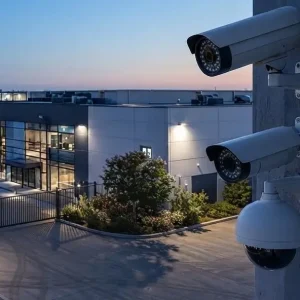
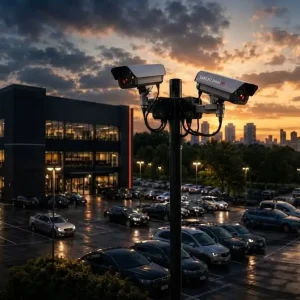
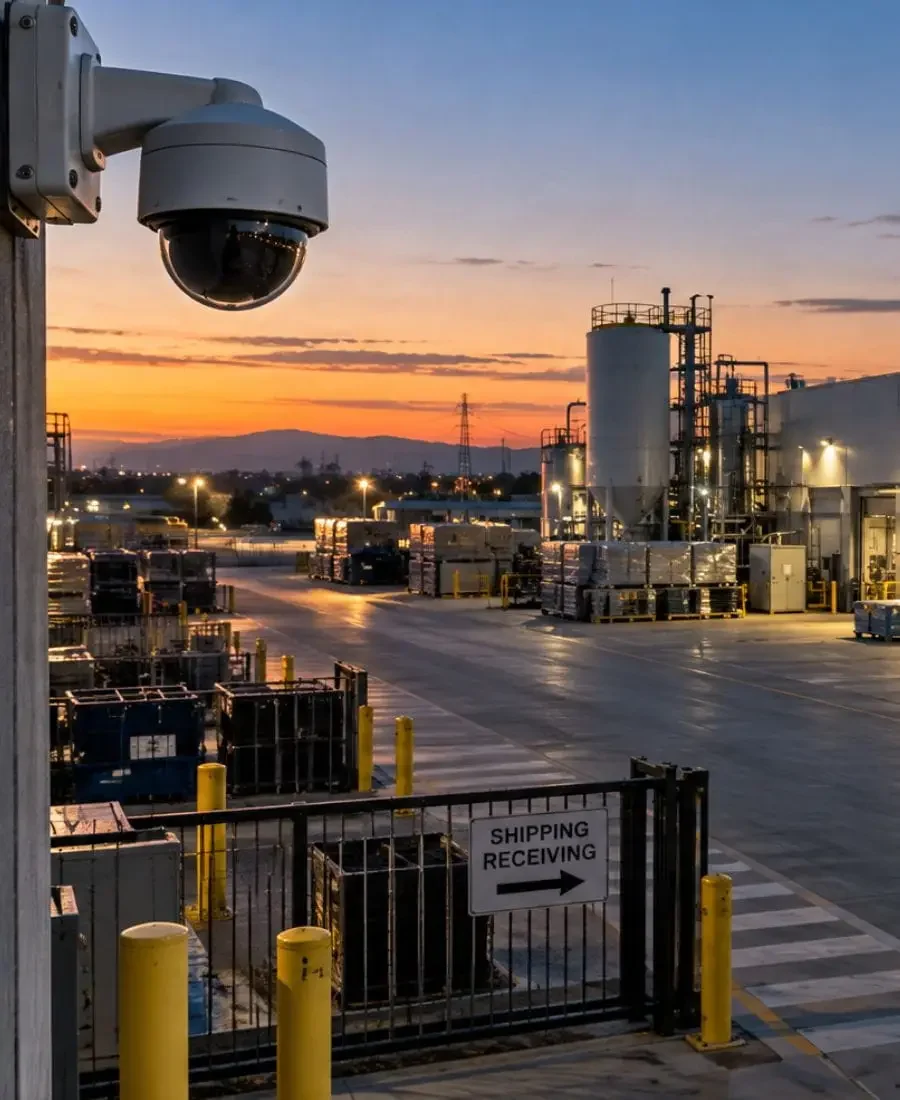
Security camera overlooking a manufacturing plant with loading areas, forklifts, pallets, storage equipment, and illuminated warehouse bays at dusk.
Who Watches Your Plant

Live-Monitored Security for Manufacturing Plants

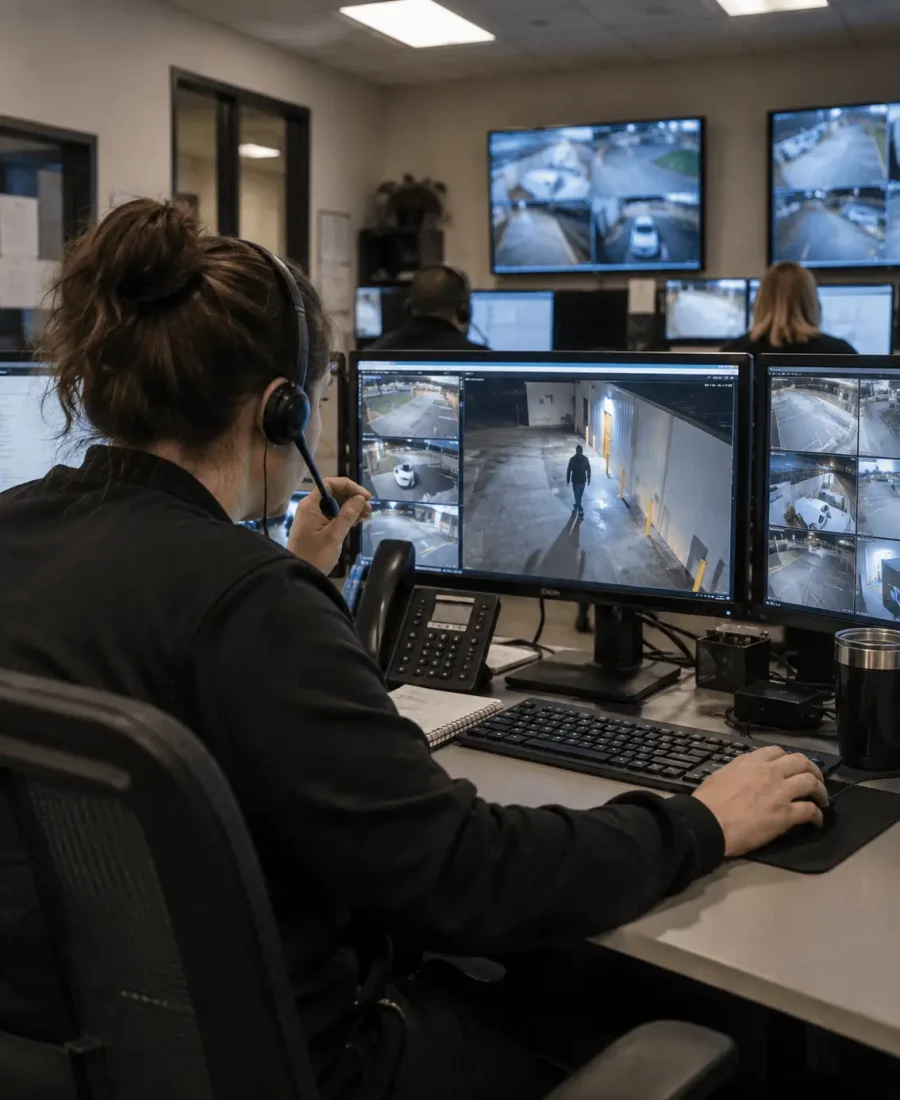
Virtual Guard CCTV monitors manufacturing plants through live camera feeds and a trained operator, not a hard drive that only gets reviewed after a loss.

A manufacturing plant runs on tight margins and long shifts, and a camera system that only records footage is of little use while a break-in, cargo theft, or vandalism incident is still happening.

We combine AI-powered activity detection with trained operators who review suspicious events during scheduled monitoring hours. When a potential threat is identified, an operator can assess the camera footage and, where supported by the site’s equipment and response protocols, issue an audio warning or contact law enforcement when appropriate.

Perimeter & Yard Coverage

Watching the Fence Line and the Yard, Not Just the Doors

A manufacturing plant’s risk sits at the fence line and loading yard as much as the building itself, across acreage foot patrols cannot fully cover.

Plant sites often span several acres of fencing, gates, loading yards, and staging areas, and a foot patrol can only be in one place at a time across ground that size.

Strategically placed cameras along fence lines, entry gates, and loading yards can help extend visibility across vulnerable areas of a manufacturing facility. Depending on camera placement, visibility, and monitoring coverage, the system may help identify suspicious activity, such as unauthorized vehicles near loading docks or potential tampering along the perimeter. Actual detection capabilities depend on the property’s layout, equipment configuration, and site-specific monitoring plan.

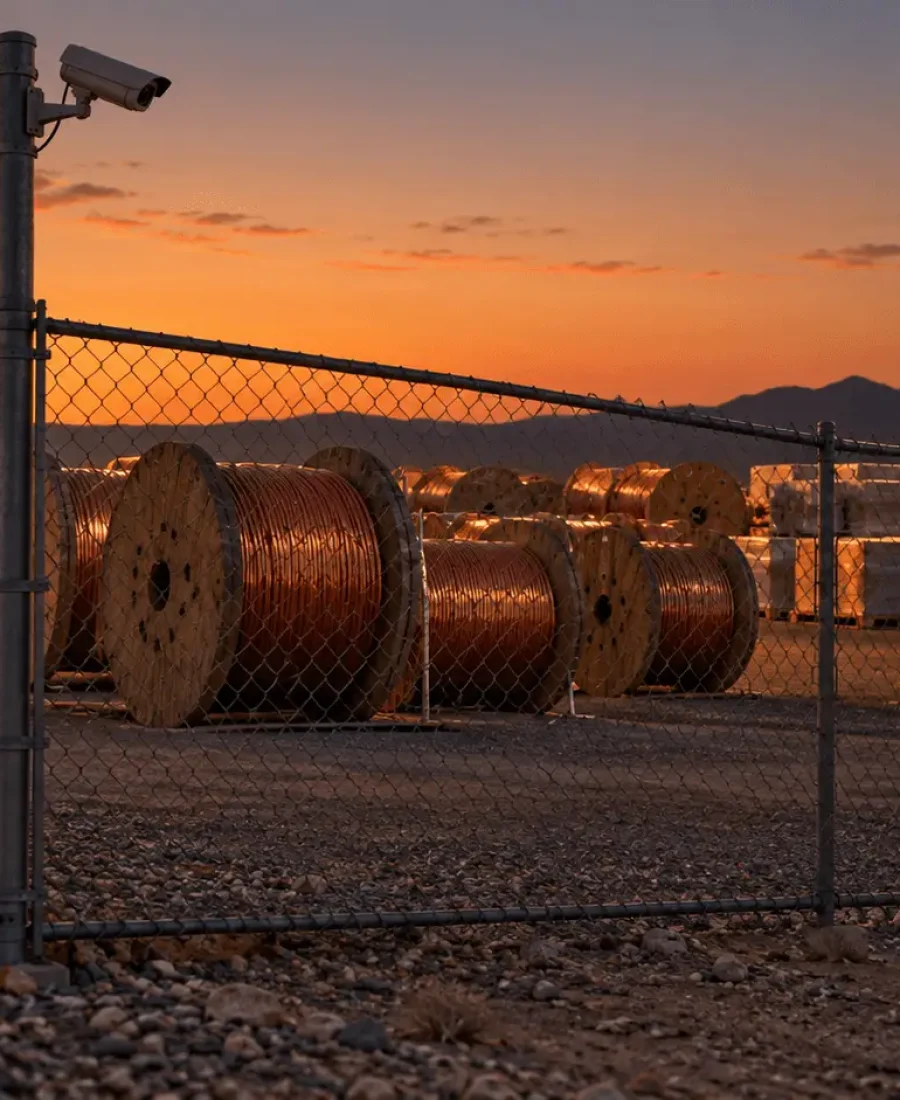
Outdoor security camera mounted on a steel fence post overlooking wooden reels of copper cable and stacked pallets inside a fenced industrial storage yard at dusk.
Industries We Protect

Other Industrial and Commercial Sites

Years of experience
0 +
Businesses Protected
0 +
BBB
A+
Monitoring
0 /7

CONSTRUCTION SERVICES

Active job sites lose equipment and materials to unsupervised overnight hours — the exact gap live monitoring is built to close.

Years of experience
0 +
Businesses Protected
0 +
BBB
A+
Monitoring
0 /7

RETAIL SERVICES

Temporary or relocatable camera coverage may be available for suitable retail properties, depending on site requirements, equipment availability, and the selected monitoring plan.

Years of experience
0 +
Businesses Protected
0 +
BBB
A+
Monitoring
0 /7

INDUSTRIAL SERVICES

Warehouses and distribution facilities carry high-value inventory across large, hard-to-patrol footprints, where live camera coverage replaces walking a perimeter that’s too big to physically check.
Years of experience
0 +
Businesses Protected
0 +
BBB
A+
Monitoring
0 /7

COMMERCIAL SERVICES

Office buildings, financial institutions, and other commercial properties need monitored coverage of entry points and parking areas outside business hours, when the building sits empty.

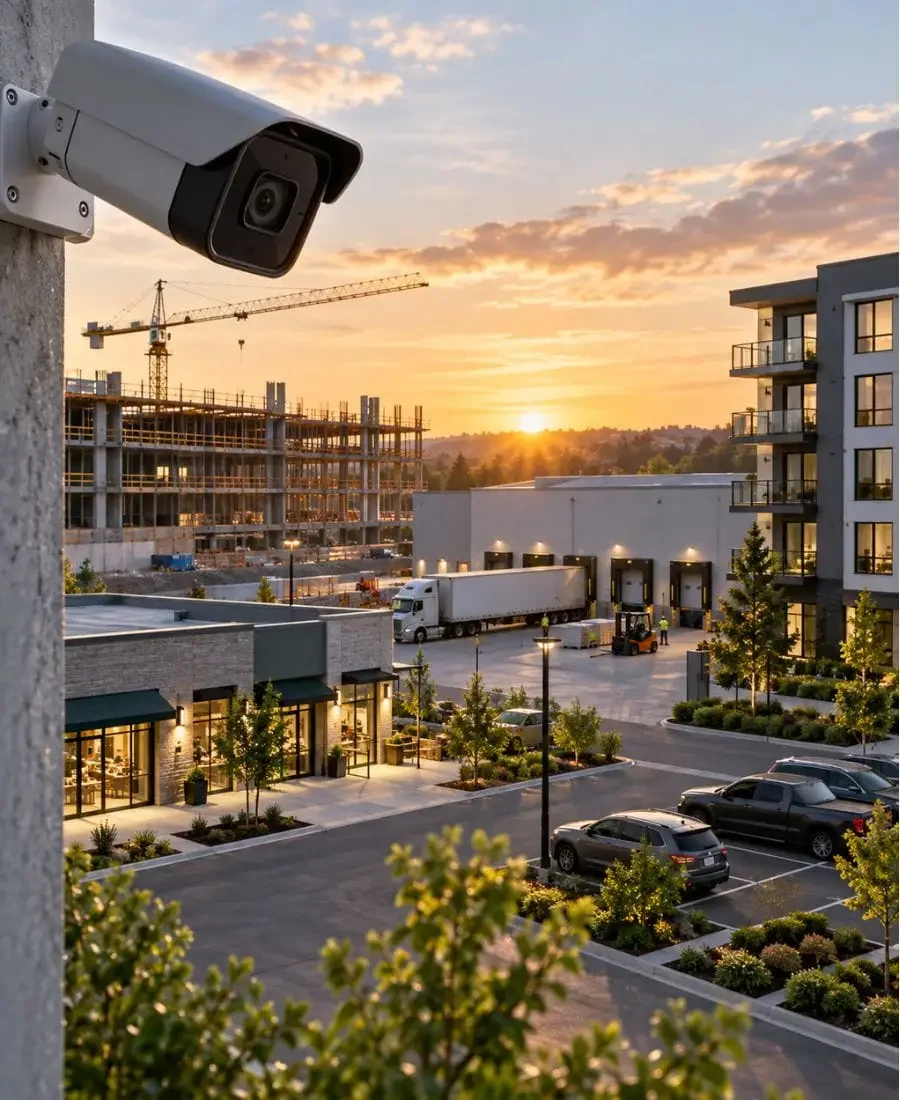
A mounted CCTV camera overlooks a commercial property with a construction site, warehouse loading area, parking lot, and multi-story building at sunset.
Industries We Protect

Facility Zones We Cover

Manufacturing facilities have multiple areas that need protection, from perimeter fences and vehicle entry gates to loading docks, equipment storage areas, and outdoor yards. Each location presents different security concerns, especially during shift changes, overnight hours, and scheduled shutdowns.

Virtual Guard CCTV helps manufacturing facilities monitor these vulnerable areas using AI-powered video detection and trained operators who review suspicious activity during scheduled monitoring hours. When an event requires attention, operators can assess the footage, issue audio warnings where supported, and escalate potential threats according to the site’s response protocols.

Whether you’re concerned about unauthorized access at a delivery gate, suspicious movement near stored equipment, or activity around loading areas after business hours, our monitoring solutions help you identify potential security issues before they go unnoticed.

Off-Shift Coverage

Coverage When the Production Floor Sits Empty

Weekend shutdowns, overnight gaps between shifts, and holiday closures leave a plant with the least staff present and the most time for an intruder to work.

Manufacturing facilities operate on different schedules, with some running around the clock and others using single, multiple, or rotating shifts. Depending on the facility’s operations, overnight hours, weekends, and scheduled shutdowns may leave certain areas with reduced staffing or limited supervision, increasing the risk of suspicious activity going unnoticed.

Live video monitoring can help manufacturing facilities maintain security coverage during periods of reduced staffing or scheduled closures. During contracted monitoring hours, AI-powered detection can flag suspicious activity for operator review, allowing potential threats to be assessed and escalated according to the facility’s monitoring plan and response procedures.

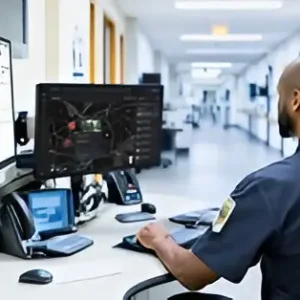
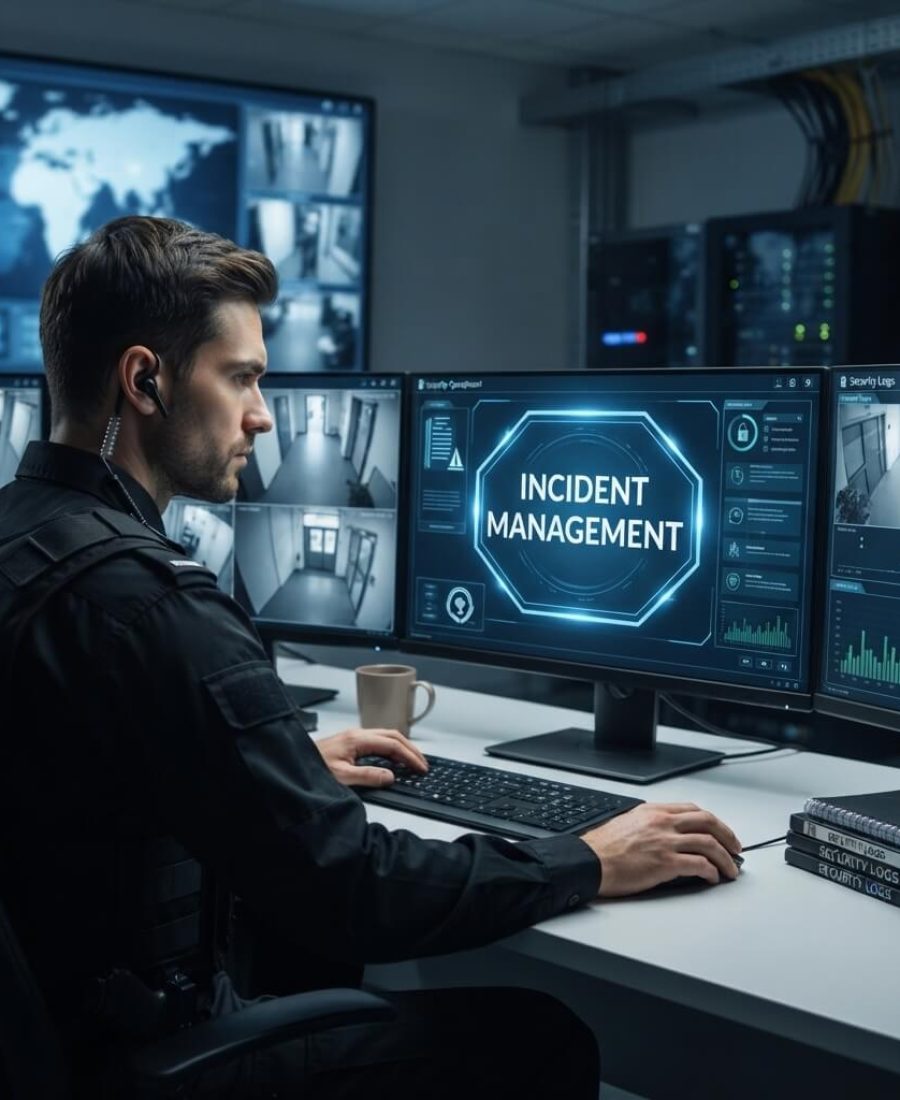
A seated man wearing a black uniform and earpiece works at a computer workstation with multiple monitors displaying surveillance footage, charts, and an incident management interface.
Live security operator reviewing a surveillance alert on multiple CCTV monitors in a commercial monitoring center.
Your Plant Incident Log

What's Included With Manufacturing Plant Monitoring

Virtual Guard CCTV combines AI-powered video detection with trained security operators who review suspicious activity during contracted monitoring hours. Depending on the monitoring plan, reviewed incidents may include documentation of observed activity and actions taken by the monitoring team.

Camera systems can be configured to cover key areas of a manufacturing facility, including production floor entrances, loading docks, storage yards, and perimeter access points. Available features, including night vision, camera coverage, and monitoring schedules, depend on the equipment installed and the facility’s specific security requirements.

Facility managers may also have remote access to camera feeds and incident information, depending on their system configuration and service agreement. Where incident reporting is included, records can help document identified security events, operator responses, and relevant timestamps for future review.

Ready to Monitor Your Manufacturing Plant?

Get a free security assessment and a monitoring plan tailored to your manufacturing facility’s layout, shift schedule, loading areas, and outdoor storage yards.

WHERE WE SERVE

Plant Monitoring Across the State

Manufacturing and fabrication facilities across California are monitored through nights, weekends and scheduled shutdowns.

Los Angeles County Orange County San Diego County Riverside County San Bernardino County Ventura County Santa Clara County Alameda County Sacramento County San Joaquin County
faq

Manufacturing Facility Monitoring FAQ

Here are the most common questions plant managers and owners ask about live video monitoring for manufacturing facilities.

How do you monitor a manufacturing plant with a large footprint?

Monitoring coverage is planned around each manufacturing facility’s layout, security priorities, and available camera locations rather than a fixed camera count. Cameras can be positioned along fence lines, entry gates, storage yards, loading docks, and production floor entrances to help improve visibility across key areas. Actual coverage depends on camera placement, lighting, obstructions, and site-specific conditions. Additional cameras may be recommended to help reduce identified blind spots, with the final coverage determined by the facility’s equipment configuration and monitoring plan.

Common security risks for manufacturing facilities include unauthorized access through perimeter fences and gates, theft of raw materials, finished goods, or scrap metal, and reduced supervision during shift changes, overnight hours, and scheduled shutdowns. AI-powered video monitoring can help address these risks by detecting potentially suspicious activity and alerting trained operators for review during contracted monitoring hours. Depending on the facility’s camera coverage and response protocols, operators can assess potential threats and take appropriate action when necessary.

Yes. Camera coverage can extend beyond the building to include perimeter fences, entry gates, staging yards, and loading docks where raw materials, pallets, and finished goods are stored. Depending on camera placement, system configuration, and detection settings, AI-powered monitoring can help identify potentially suspicious activity, such as an unauthorized vehicle near a loading dock or unusual activity around an access gate. During contracted monitoring hours, flagged events can be reviewed by trained operators, who assess the situation and follow the facility’s established response procedures when appropriate.

Idle equipment and scrap metal staged for pickup are portable and resellable, making them potential theft targets at manufacturing facilities. AI-powered video monitoring can help identify suspicious activity around equipment storage, loading docks, and staging areas during contracted monitoring hours. When an event is flagged, a trained operator can review the footage and assess whether further action is necessary. Depending on the site’s installed equipment and established response protocols, operators may issue an audio warning through on-site speakers or contact law enforcement when appropriate. These measures can help deter unauthorized activity and support a coordinated response to potential theft.

Yes. Manufacturing facility monitoring can be arranged to cover periods when staffing is reduced, including shift changes, overnight hours, scheduled shutdowns, weekends, and holiday closures. Coverage depends on the facility’s contracted monitoring schedule and service arrangements. During active monitoring hours, AI-powered detection can identify potentially suspicious activity for review by trained operators, who follow the site’s established response procedures when necessary. Facilities with specific after-hours or holiday security requirements should confirm that those periods are included in their monitoring plan.