Commercial CCTV installation is the design, mounting, wiring, and configuration of a security camera system built around a specific property’s actual risk points. It includes a site assessment, camera selection, professional installation and cabling, and network and storage setup — as a standalone recorded system or connected to live monitoring.
Commercial properties lose money in specific, predictable places — unlit loading docks, blind corners in parking structures, unwatched entry points after hours, and cash-handling areas with no coverage. A generic camera package rarely covers the spots where loss actually happens, because it was priced to a tier instead of mapped to the property.
A proper installation starts with a technician walking the site, not a quote generated over the phone. That walk-through identifies where risk concentrates, then a coverage plan and camera list get built around exactly those points — low-light cameras where it’s dark, wide-angle coverage for open yards, license-plate capture at gated entries.
What makes a property vulnerable usually isn’t a lack of cameras — it’s cameras placed to satisfy a budget instead of a risk map, cabling that wasn’t weatherproofed for California’s rainy season, or storage that overwrites footage faster than expected. Those gaps don’t show up until the footage actually matters and isn’t there.
Every system we design can run standalone or connect directly into live video monitoring, so a property isn’t locked into a second full install if the need changes later..
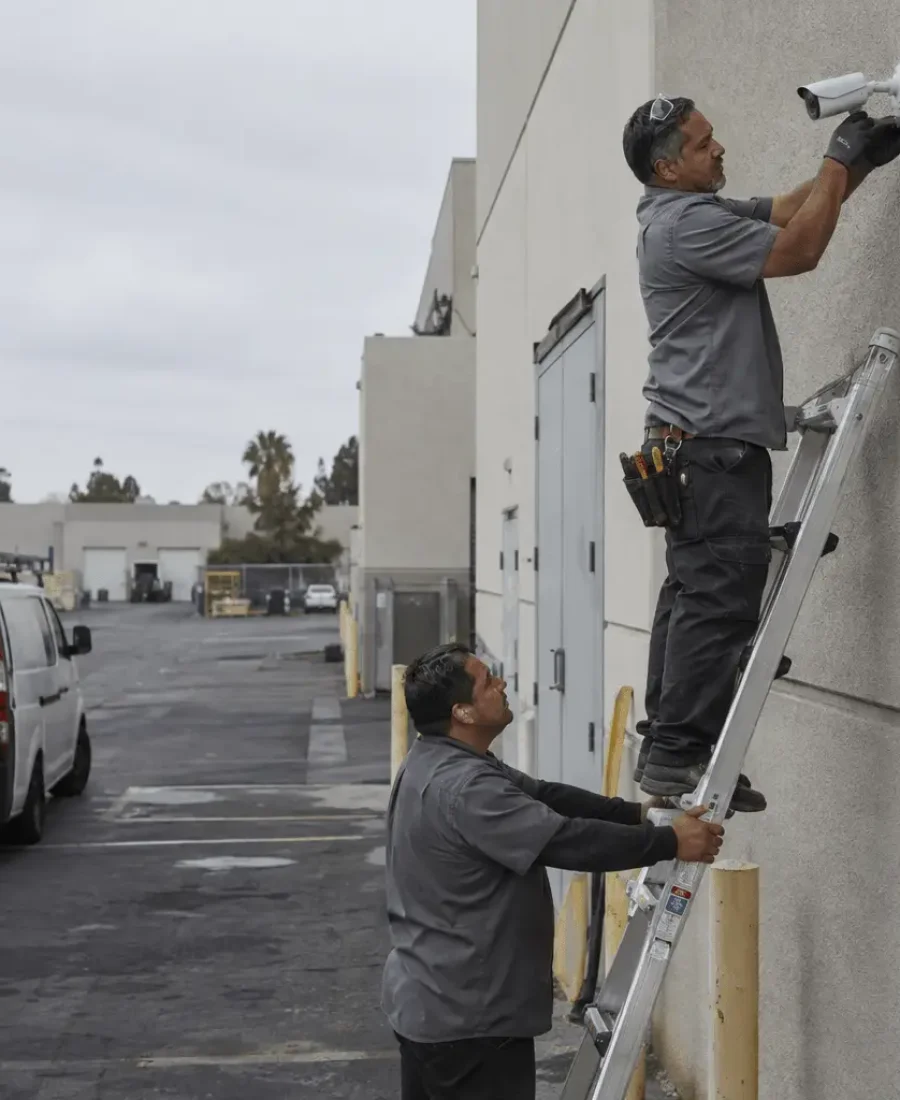
Virtual Guard CCTV designs and installs commercial camera systems in-house, so one company is accountable for the coverage plan and the install.
Virtual Guard CCTV is licensed under California PPO #121089, BBB A+ accredited since 2021, and has installed commercial camera systems across California since 2014. Licensing and accreditation are verifiable, not marketing claims.
Every system is designed and installed by the same team, so accountability doesn’t get split between a salesperson, a subcontractor, and an equipment vendor.
A commercial CCTV installation moves through four stages — assessment, design, installation, and configuration — before a property gets a finished system.
A technician walks the property first and maps where risk actually concentrates — entry points, blind corners, loading docks, parking areas. That assessment becomes a coverage plan matched to the site, not a generic camera count.
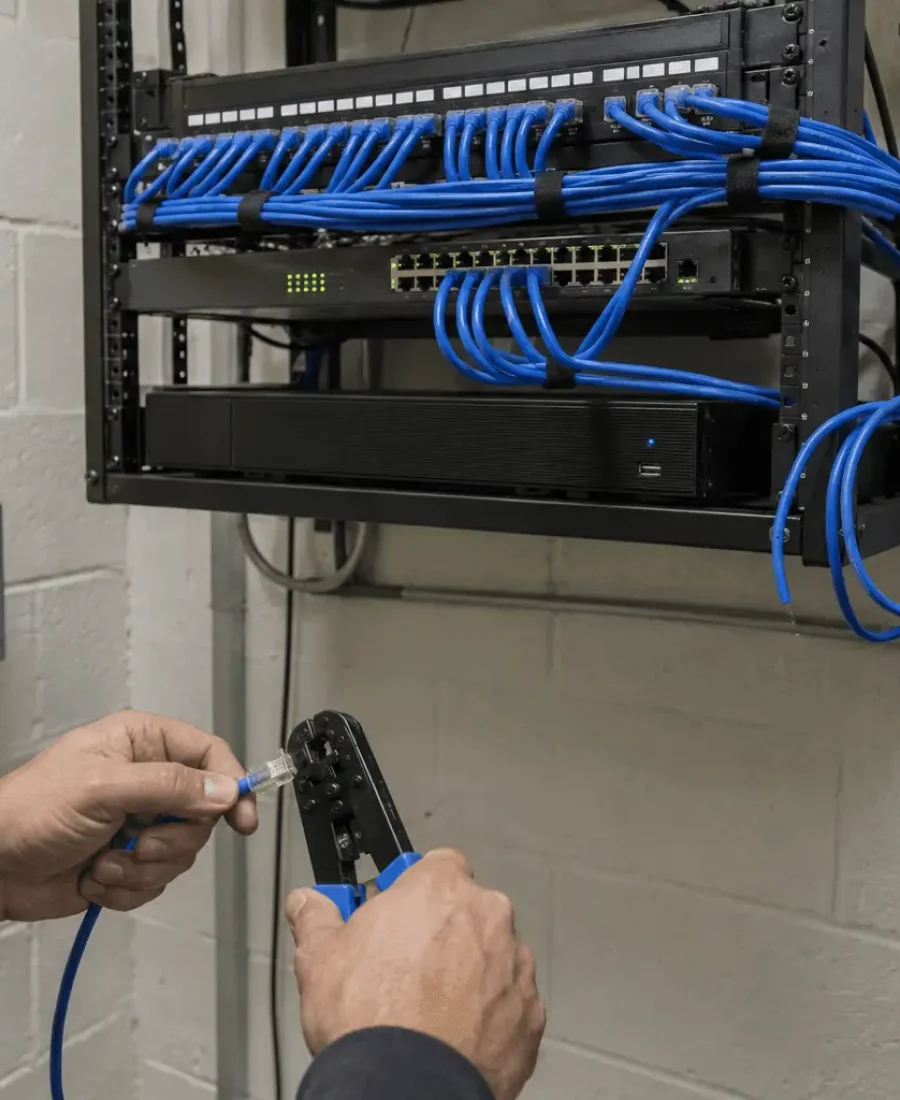
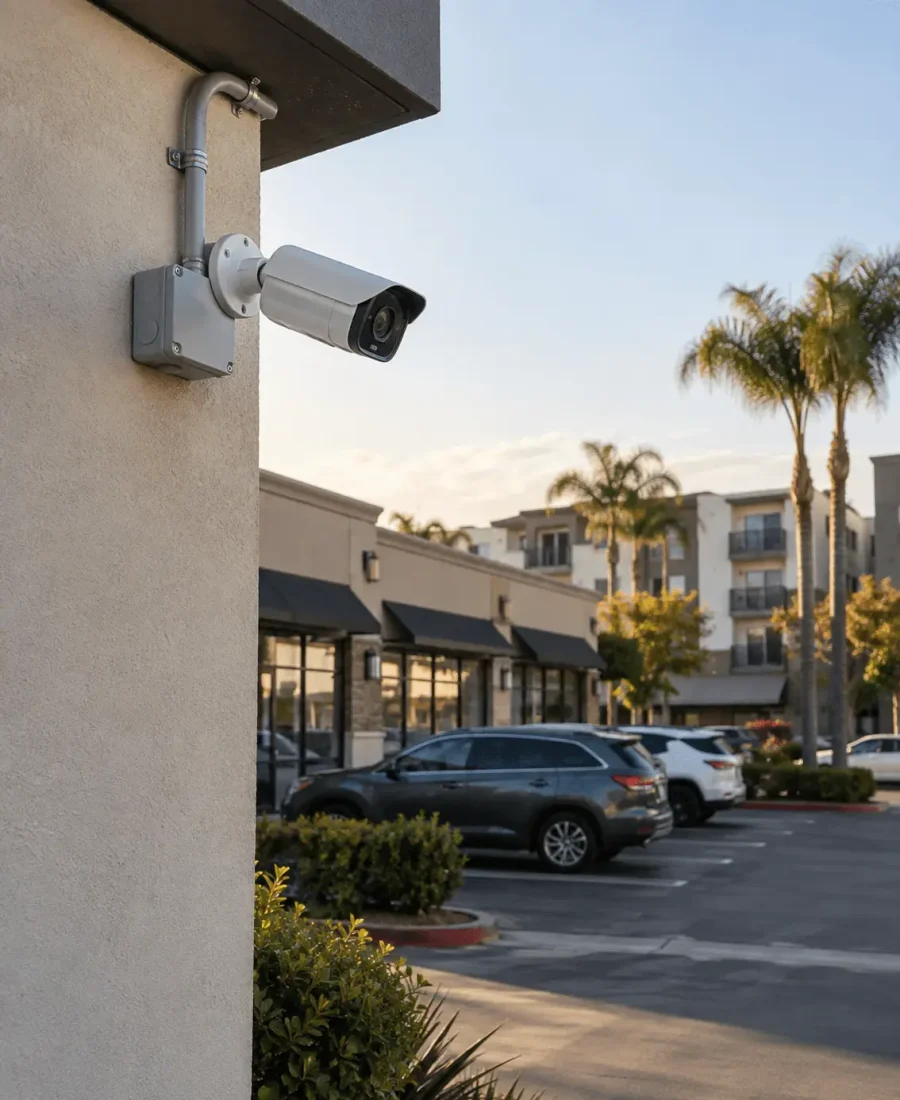
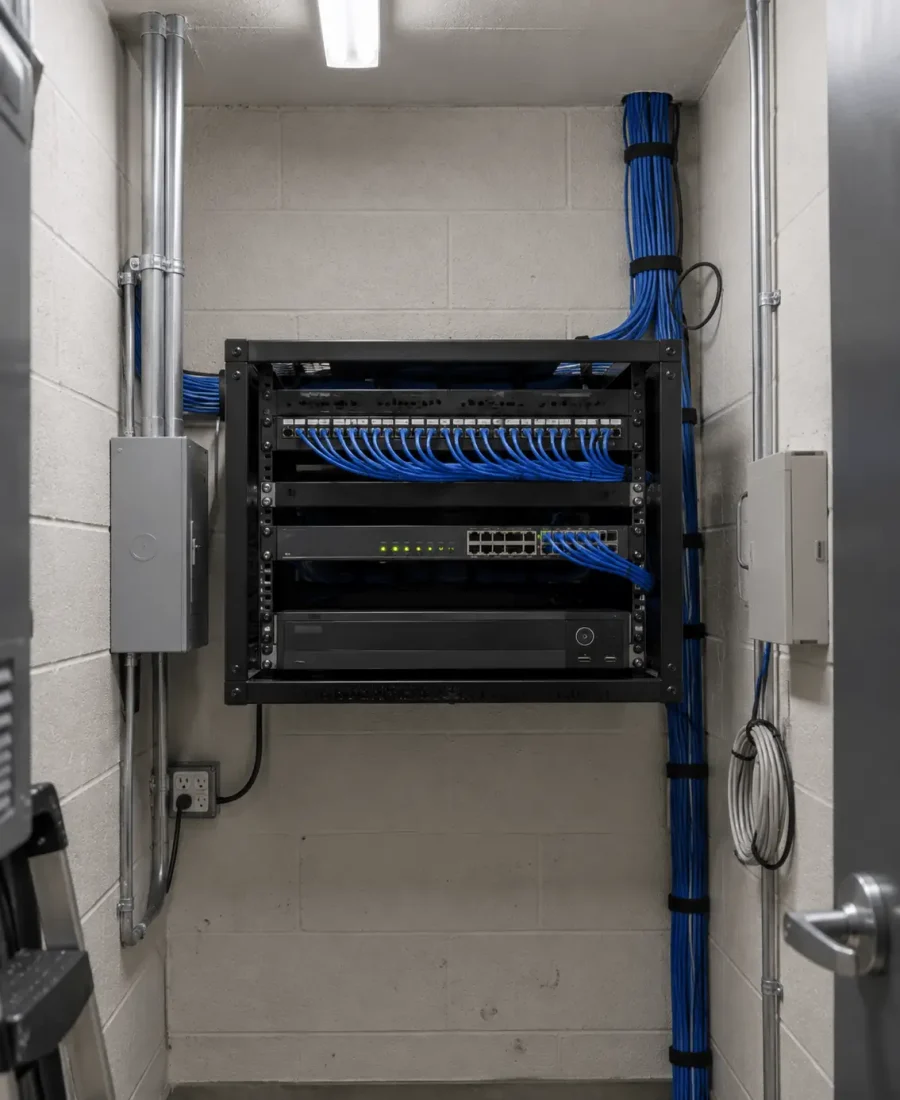
Installation and cabling come next, built to hold up outdoors in California conditions, followed by network and storage configuration so footage is retrievable when it’s actually needed.
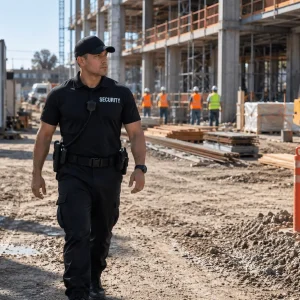
Active job sites lose equipment and materials to unsupervised overnight hours — the exact gap live monitoring is built to close.
Temporary or relocatable camera coverage may be available for suitable retail properties, depending on site requirements, equipment availability, and the selected monitoring plan.
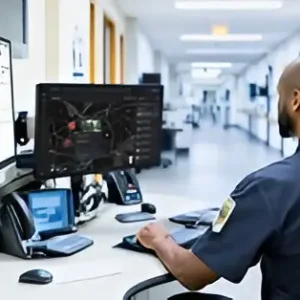
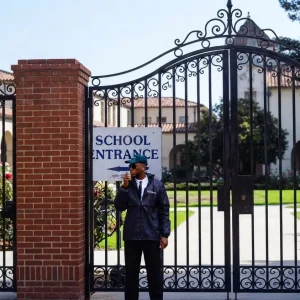
Office buildings, financial institutions, and other commercial properties need monitored coverage of entry points and parking areas outside business hours, when the building sits empty.
Virtual Guard CCTV is a modern security company built to help businesses protect their properties with smarter technology, live monitoring, and real human intervention.
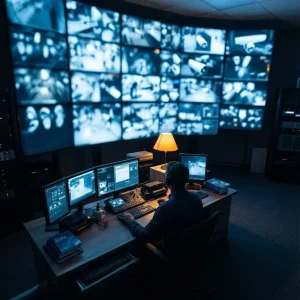
We believe security should be proactive, not reactive. Instead of only recording incidents after they happen, our system combines AI-powered detection with trained live operators who monitor activity, verify threats, issue warnings, and respond in real time.
Our team supports construction sites, commercial properties, apartment communities, warehouses, retail locations, parking facilities, and high-risk environments that need dependable protection that need dependable protection.
Camera type and placement are matched to what each specific location needs, not run from a single model across the entire property.
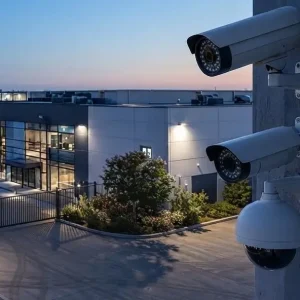
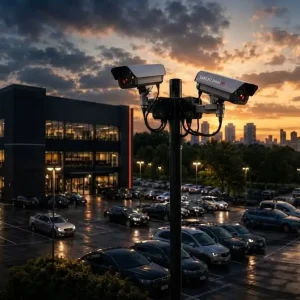
Low-light cameras cover unlit lots and loading docks after dark. Wide-angle cameras cover open yards and parking structures. License-plate-capture cameras cover gated entries and vehicle chokepoints.
A standard camera placed in the wrong location can leave important areas outside its field of view, creating gaps in security coverage.
A finished installation includes documented coverage, configured storage, and the option to add live monitoring at any point after.
Camera placement documentation and recording storage options can be determined based on the property’s layout, security requirements, and agreed installation scope. Specific deliverables and storage configurations are confirmed during project planning.
The system can run standalone from day one, or connect directly into live video monitoring later without a second full install.
Tell us about your property and security needs. We’ll help you explore suitable camera placement, equipment options, and installation pricing based on your project requirements.
We survey, design and install commercial camera systems throughout California, then connect them to live monitoring where it's needed.
What property owners usually want settled before signing off on a camera install.
Commercial CCTV installation costs vary based on the property’s size, required camera coverage, equipment selection, and installation complexity. A site assessment helps determine the appropriate system and provides a more accurate project-specific quote.
The cost depends on your business’s security needs and existing infrastructure. Factors such as cabling, network availability, mounting locations, and recording storage can affect installation expenses. We assess these requirements before preparing a quote tailored to your property.
Per-camera costs vary by equipment type and installation requirements. Standard fixed cameras, low-light cameras, and license plate recognition cameras have different pricing and installation needs. The final cost also depends on mounting, wiring, and system configuration.
Commercial security camera installations may qualify for tax deductions, including Section 179 treatment, depending on the equipment, business use, and applicable tax rules. Eligibility and deduction amounts vary, so not every installation qualifies for full expensing. We recommend consulting a qualified tax professional to determine which deductions may apply to your business.
It depends on your property’s layout and where the actual risk concentrates, not a fixed formula tied to square
footage. Every installation we design starts with a site assessment that identifies the entry points, blind corners,
and high-value areas that actually need coverage — some properties need four cameras, others need eighteen,
and the honest number comes from walking the site, not a price-list tier.