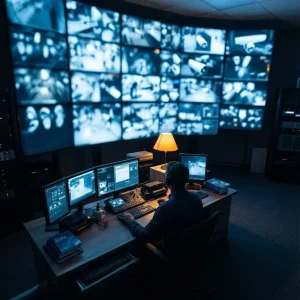
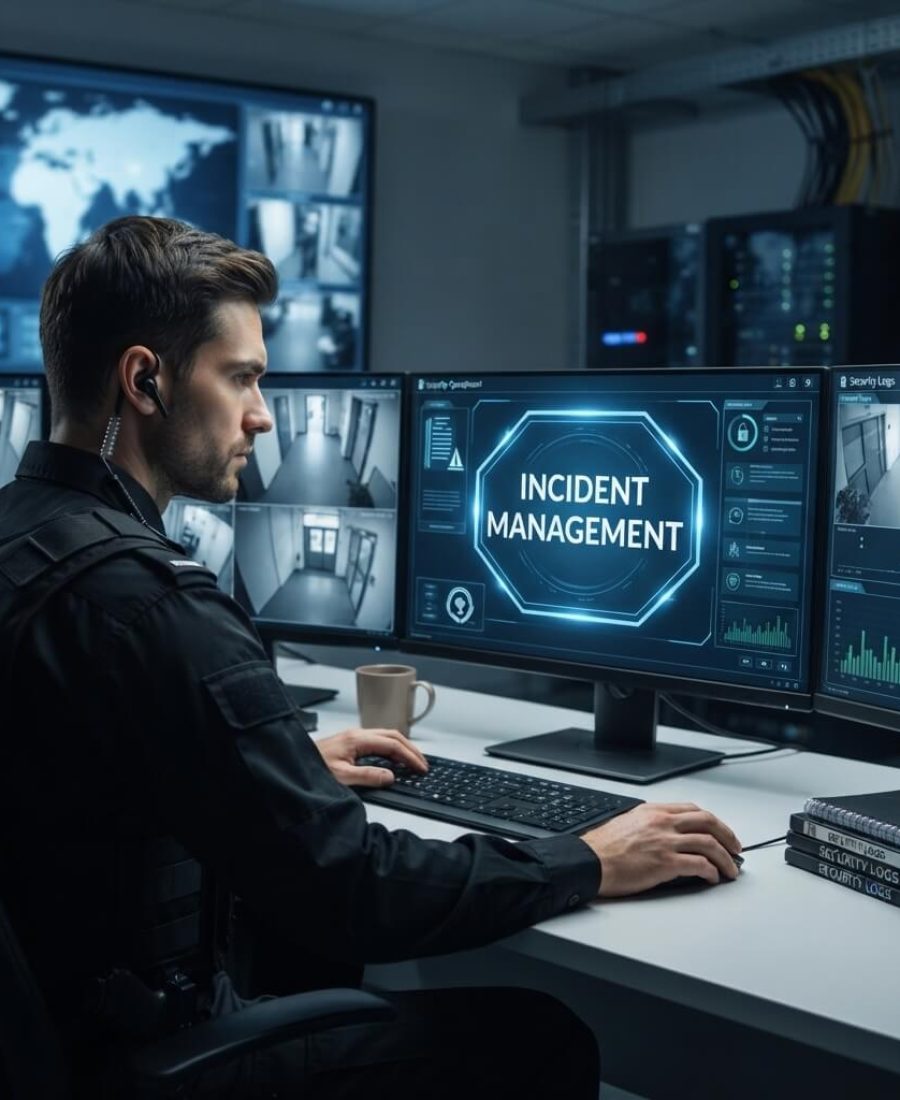
Dispensary security monitoring is a live video surveillance service that pairs cameras covering a licensed cannabis retailer’s entry, sales floor, and vault with a monitoring center operator watching in real time — verifying activity and intervening through live audio or a call to law enforcement before cash, product, or people are put at risk.
Licensed dispensaries operate largely as cash businesses because federal banking restrictions limit card processing, and they hold high-value cannabis product on-site every day — a combination that makes them a recurring target for both smash-and-grab break-ins and armed robbery attempts during business hours.
Cash counted at close, product moved between the sales floor and the vault, and deliveries received at a rear entrance each create a window where value is exposed and in motion, not locked away — the moments a monitoring center operator is trained to watch most closely.
During trading hours, the risk is a robbery attempt at the counter or in the parking lot. After close, an empty storefront with a locked vault is still vulnerable through a delivery bay or rear door, and licensed operators are commonly expected to keep camera coverage running and footage available across that entire window, not just while open.
A recorded-only system can only show what happened after product or cash is already gone. Live monit to catch a threat at the door or in the lot and intervene while there’s still time to stop it.
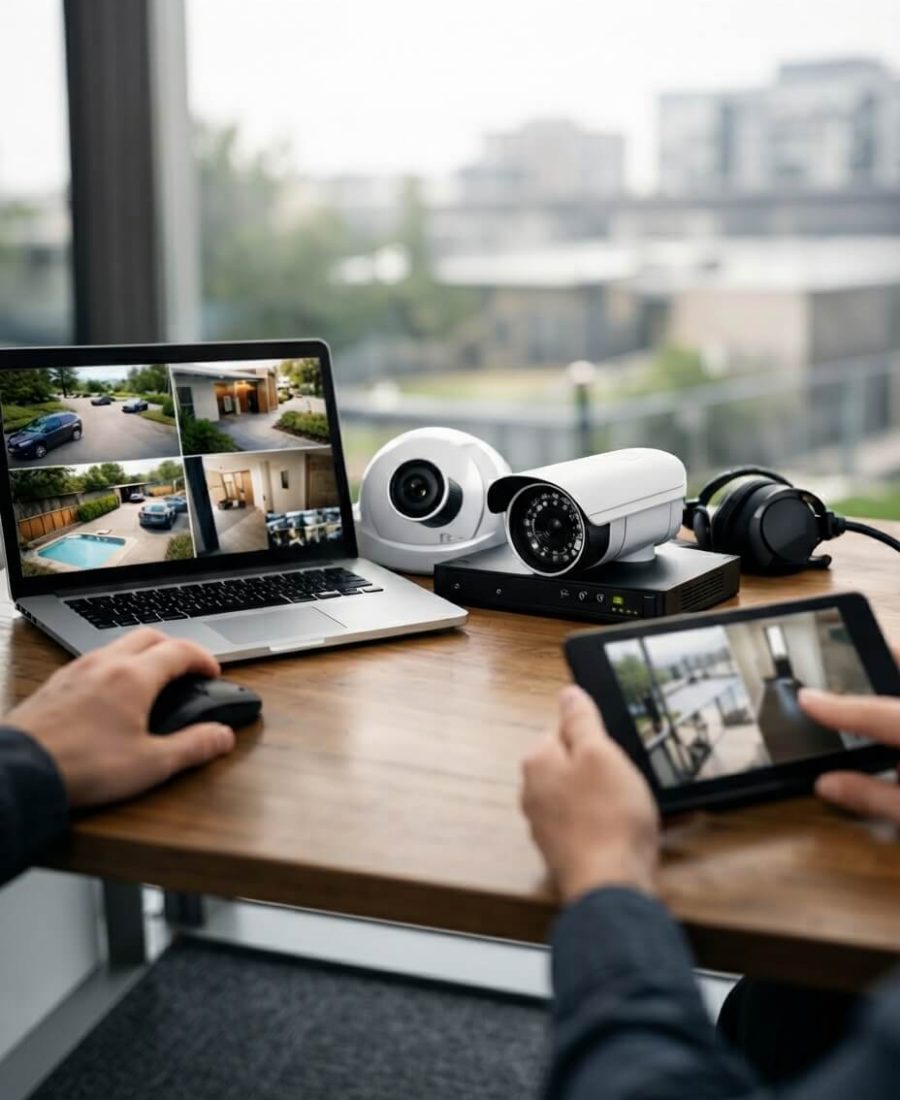
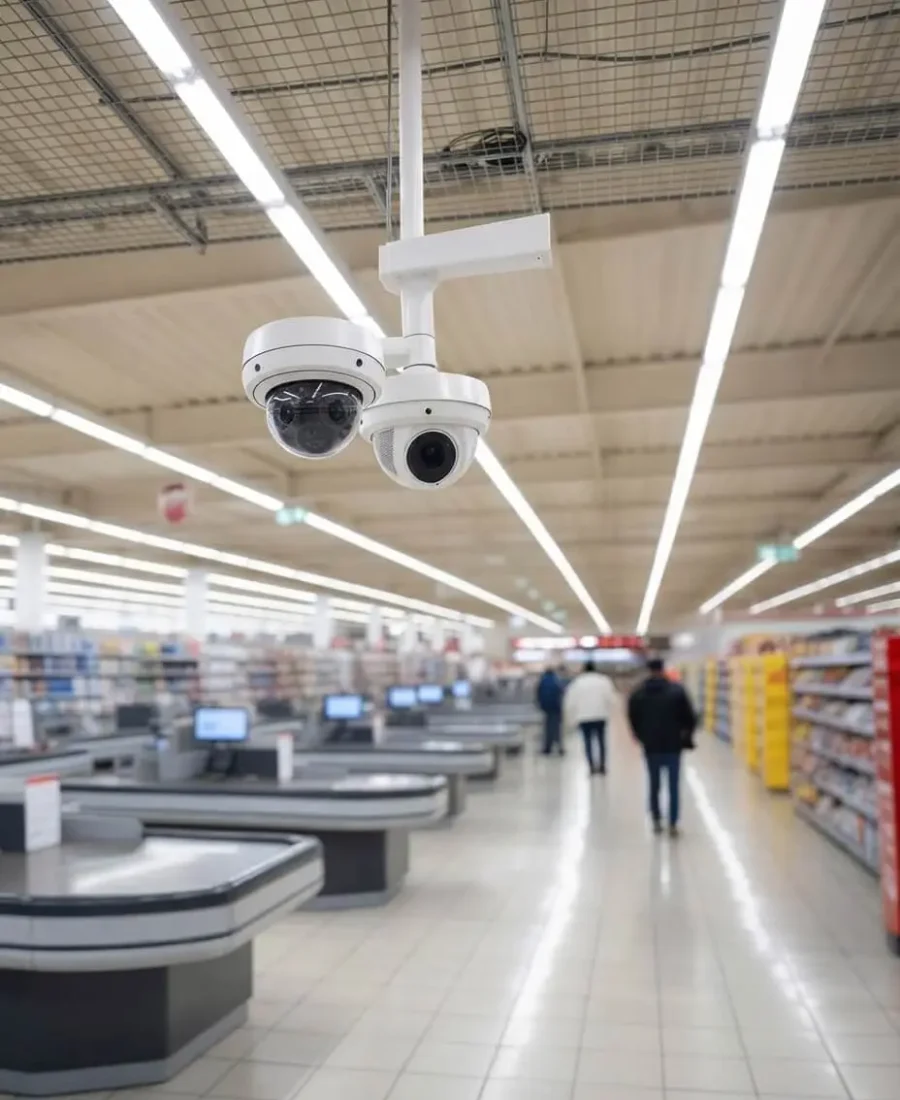
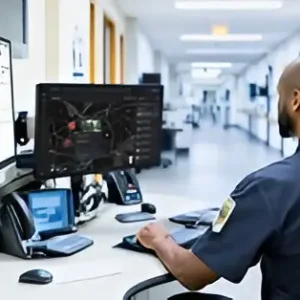
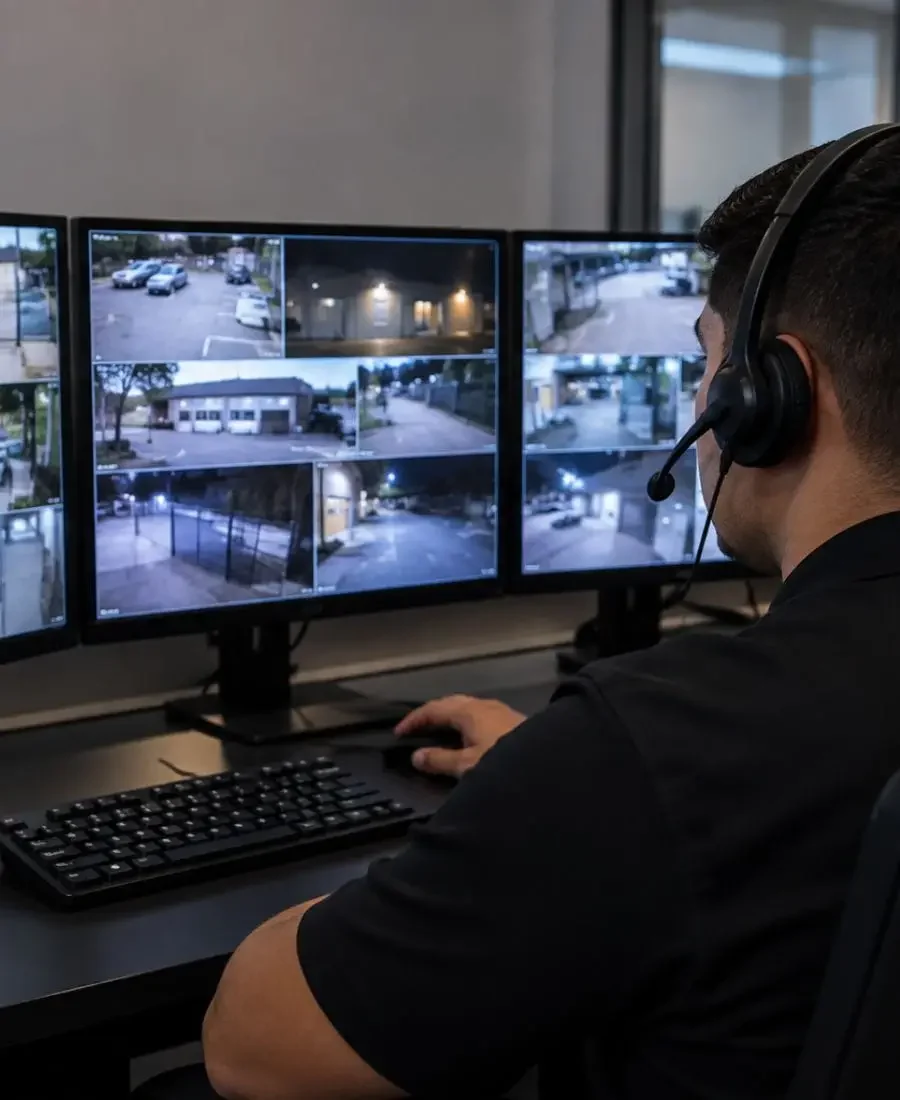
Virtual Guard CCTV pairs cameras on your dispensary with a monitoring center operator who watches in real time, not footage reviewed after a loss.
A dispensary’s cameras reach a monitoring operator in real time as well as the retention drive your license requires, so the counter, the entry, and the vault approach have a person watching them and not only a system storing them
That distinction matters most at opening, at close, and during the counter transaction itself, when a robbery attempt is most likely and the fastest possible response matters most.
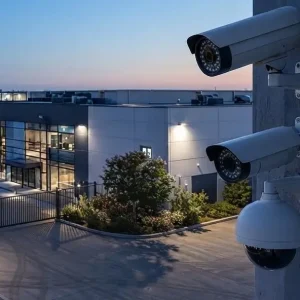
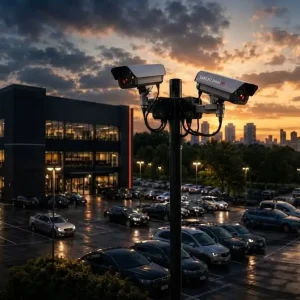
Entry, sales floor, vault, delivery bay, and parking lot each carry a different kind of risk, and each needs its own dedicated camera coverage.
The entry and sales floor need clear coverage of every transaction and every person who walks through the door. The vault, where cash and high-value product are secured, needs its own dedicated view separate from the retail floor.
The delivery bay covers product coming in and cash movements between the floor and the vault, and the parking lot extends coverage to the vehicle a customer or a threat arrives in.
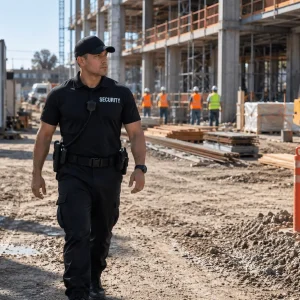
Active job sites lose equipment and materials to unsupervised overnight hours — the exact gap live monitoring is built to close.
Temporary or relocatable camera coverage may be available for suitable retail properties, depending on site requirements, equipment availability, and the selected monitoring plan.
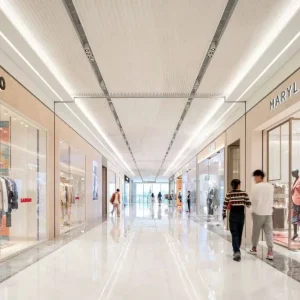
Office buildings, financial institutions, and other commercial properties need monitored coverage of entry points and parking areas outside business hours, when the building sits empty.
Cannabis dispensaries have unique security concerns, from protecting cash and high-value inventory to monitoring customer entrances, delivery areas, and after-hours activity. Virtual Guard CCTV provides video monitoring solutions designed around these risks, while also supporting other retail and commercial properties.
Our approach combines AI-powered detection with trained operator review during contracted monitoring hours. Depending on the installed equipment and response procedures, operators can assess suspicious activity and take appropriate action when necessary.
Beyond dispensaries, we support retail stores, shopping centers, warehouses, construction sites, commercial properties, apartment communities, and parking facilities with monitoring solutions tailored to their security needs.
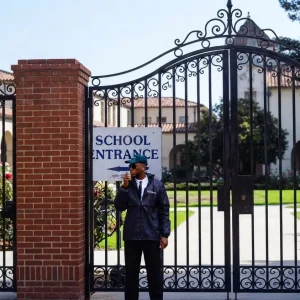
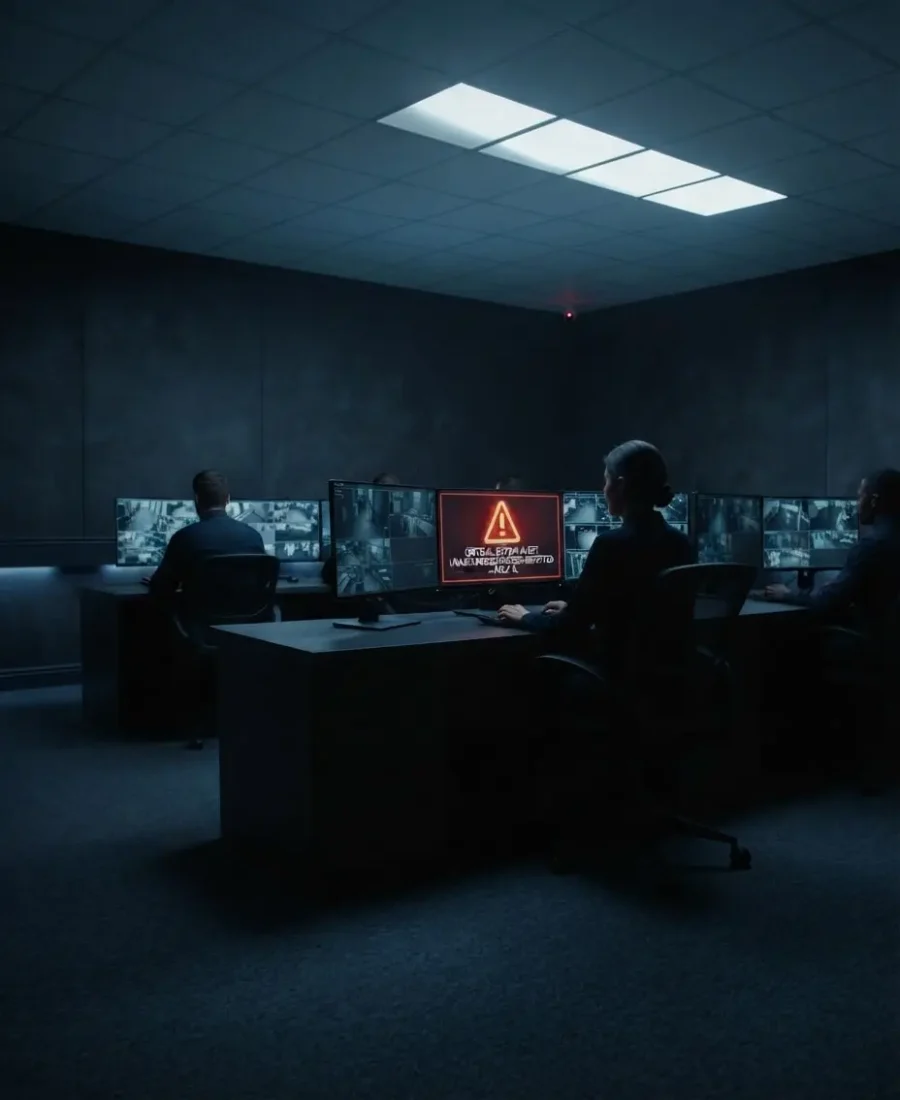
When an operator confirms a threat, live audio and an immediate call to law enforcement happen while the person is still on the property.
An operator watching the sales floor and entry can distinguish a legitimate customer from an actual threat and act before an incident is complete, issuing a live audio warning through the camera’s speaker the moment behavior escalates.
If a warning doesn’t resolve the situation, the same operator contacts law enforcement directly while the person is still on the property, rather than after they’ve already left with cash or product.
Continuous footage, an incident record for every flagged event, and manager-level access give dispensary owners a documented account, not just camera counts and lens specs.
Every camera records continuously and stays monitored live, with footage retained and available for review on request. Licensed operators can be expected to meet surveillance and retention obligations tied to their own license, and a system can be specified around those requirements — confirming the specifics with compliance counsel is still the operator’s call.
Any flagged incident includes a record of what the monitoring center saw and did, and dispensary managers get access to their own live feeds from a phone.
Tell us your license type, hours, and floor layout, and we’ll return a camera plan your compliance team can review.
We monitor licensed cannabis retailers across California, with coverage designed around each operator's own licensing requirements.
What licensed operators ask about surveillance on a dispensary.
Live monitoring gives a dispensary real-time eyes on the entry, counter, and parking lot instead of only recorded footage reviewed after a loss. Cameras feed live video to a monitoring center, where an operator watches transactions and the lot in real time, can issue a live audio warning through the camera’s speaker, and can contact law enforcement while a person is still on the property. Because dispensaries handle cash and high-value product daily, that real-time layer matters more than it does for many other retail businesses — recorded-only systems can only confirm what already happened.
A dispensary setup typically combines entry and point-of-sale cameras for clear views of every transaction, dedicated vault coverage separate from the retail floor, delivery bay cameras for product coming in, and exterior cameras for the parking lot. Night vision matters for the hours before opening and after close, and two-way audio lets a monitoring center operator speak directly to someone on the premises. Camera hardware alone only records; pairing it with live monitoring is what turns that footage into a real-time response.
Licensed cannabis retailers are generally subject to surveillance and video retention obligations under their state license, and camera systems are commonly specified with those obligations in mind — camera placement, coverage of the point of sale and vault, and how long footage is kept. Requirements can vary and change, so we build coverage around a dispensary’s layout, but confirming the specific obligations that apply to your license is a conversation for your own compliance counsel, not something we advise on directly.
The vault gets its own dedicated camera view, separate from the sales floor, covering cash and product moving in and out. An operator watching that feed in real time can flag unusual activity around the vault immediately rather than discovering a loss during an end-of-day count, and two-way audio lets the monitoring center address anyone in that area directly.
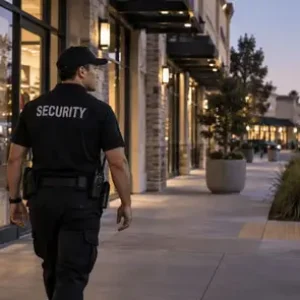
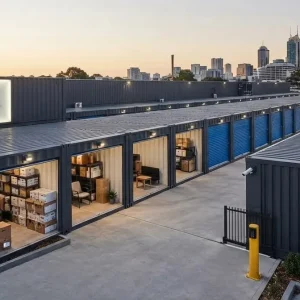
An empty storefront with a locked vault can still be vulnerable through delivery bays, rear doors, and parking areas, which may become targets for break-ins after business hours. Security cameras positioned around these areas can help identify suspicious activity during scheduled monitoring hours. When a potential intrusion is detected, trained operators can review flagged footage and follow the property’s established response procedures.
Retention needs vary by dispensary and by what a specific license requires, so we don’t publish a fixed period without a sourced requirement behind it. What stays consistent is that footage is retained and available for review, and coverage can be specified to align with whatever retention window your own license calls fo confirming that exact window is a conversation for your compliance counsel.