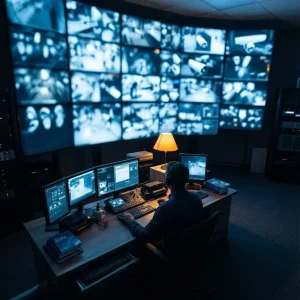
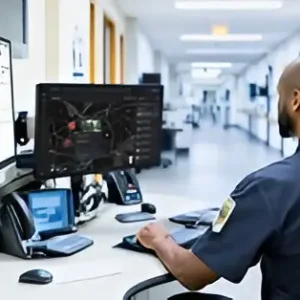
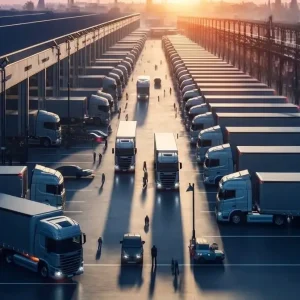
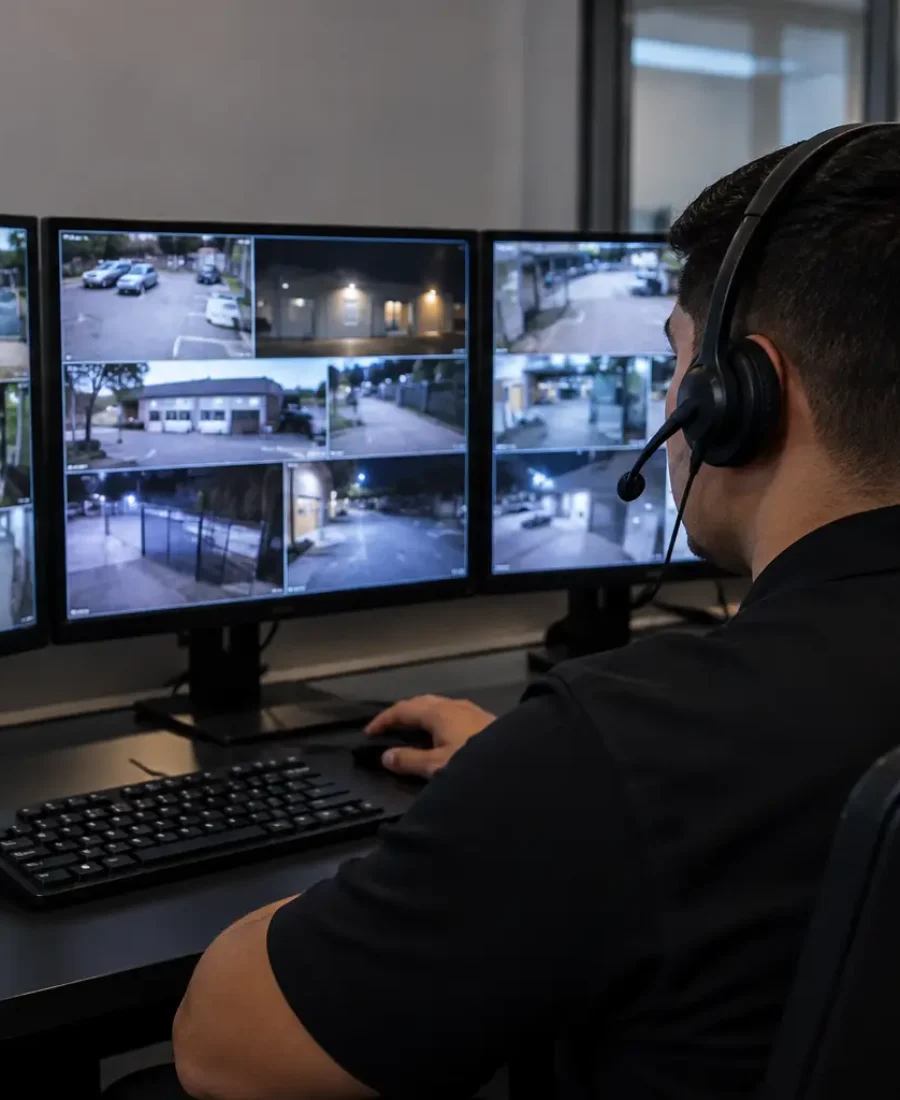
Distribution center security monitoring combines surveillance cameras with AI-powered detection and trained operator review to help identify suspicious activity around loading docks, trailer yards, and access points. During contracted monitoring hours, operators can assess flagged events and follow established response procedures. Verification against delivery schedules or visitor records may be possible where the necessary information and procedures are available.
Most distribution centers run a bank of dock doors at once — trailers pulling in to load, others already backed in and unloading, doors cycling open and shut through a shift. That volume is hard for staff on the floor to track door by door while also handling the freight itself.
Dozens of different carriers and drivers pass through a busy distribution center daily, so an unfamiliar face at a dock door or in the trailer yard looks routine rather than suspicious. That’s what makes an unauthorized person hard to flag on sight — an operator watching the feeds can check who’s expected against who’s actually there.
Freight staged near a dock door ahead of a scheduled pickup sits ready to move for a legitimate driver, which also makes it easy to move for anyone who gets to it first while it’s unattended.
Distribution centers commonly run 24-hour cycles, and the handoff between shifts is when a door sits open a few extra minutes or staged freight goes unwatched longest. Recorded-only footage only shows what happened once someone reviews it — by then the freight, and the person who took it, are gone.
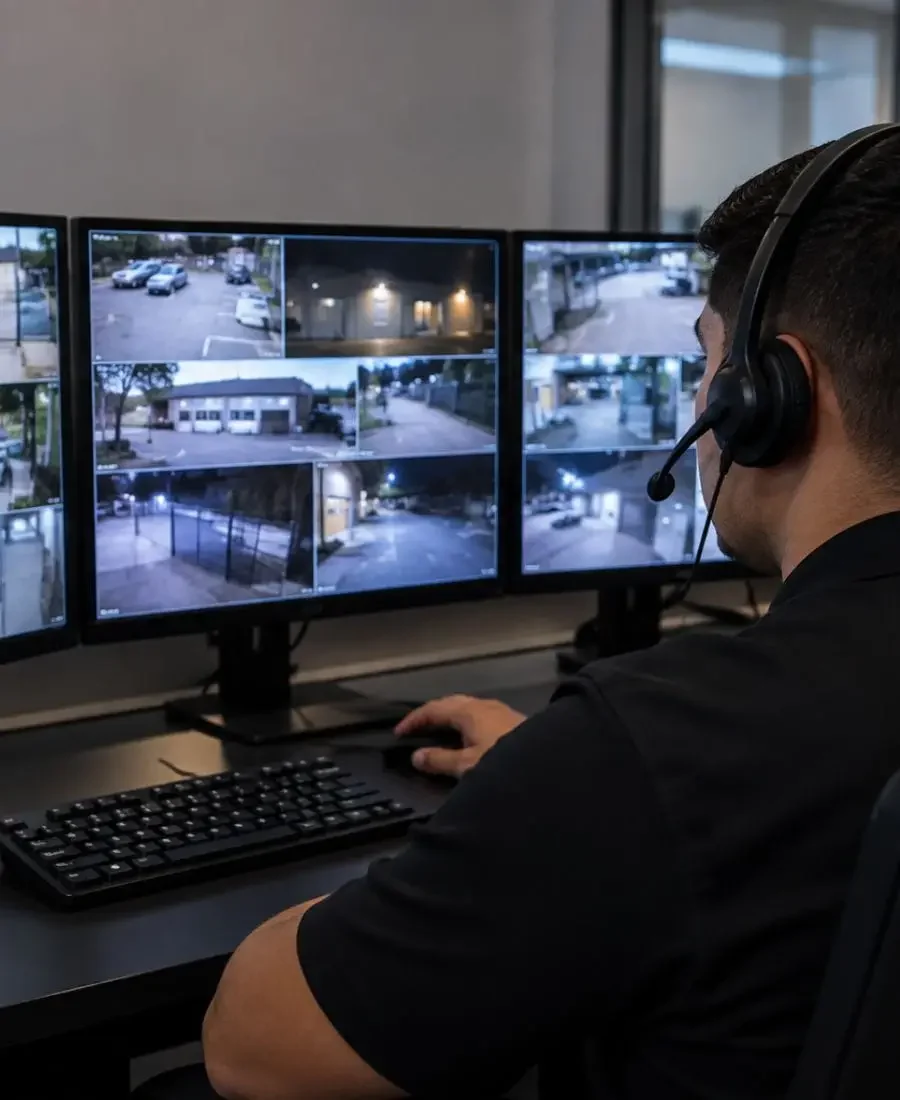
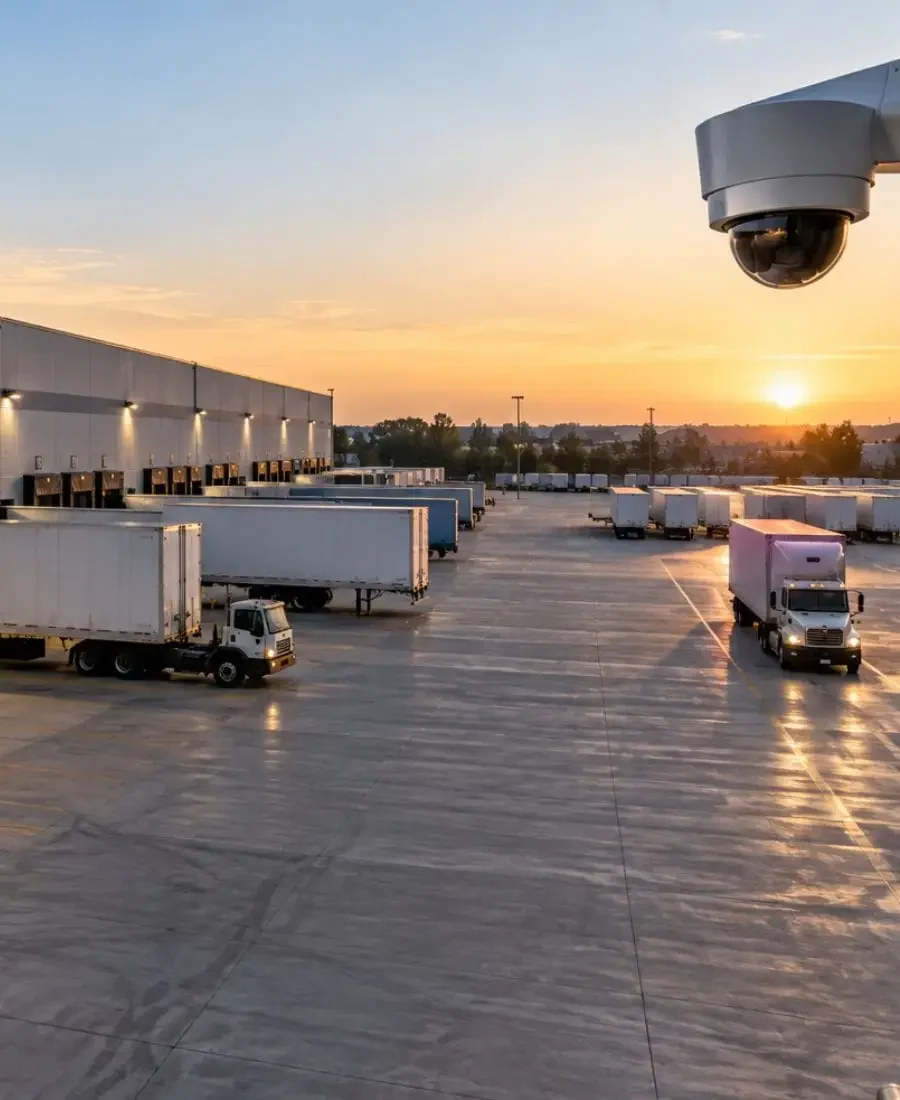
Busy distribution centers experience frequent vehicle movements, trailer exchanges, and loading activity throughout the day. Dock doors, trailer yards, and access points can benefit from strategically placed cameras that help identify suspicious activity. During contracted monitoring hours, AI-powered detection supports trained operators in reviewing flagged events and following established response procedures.
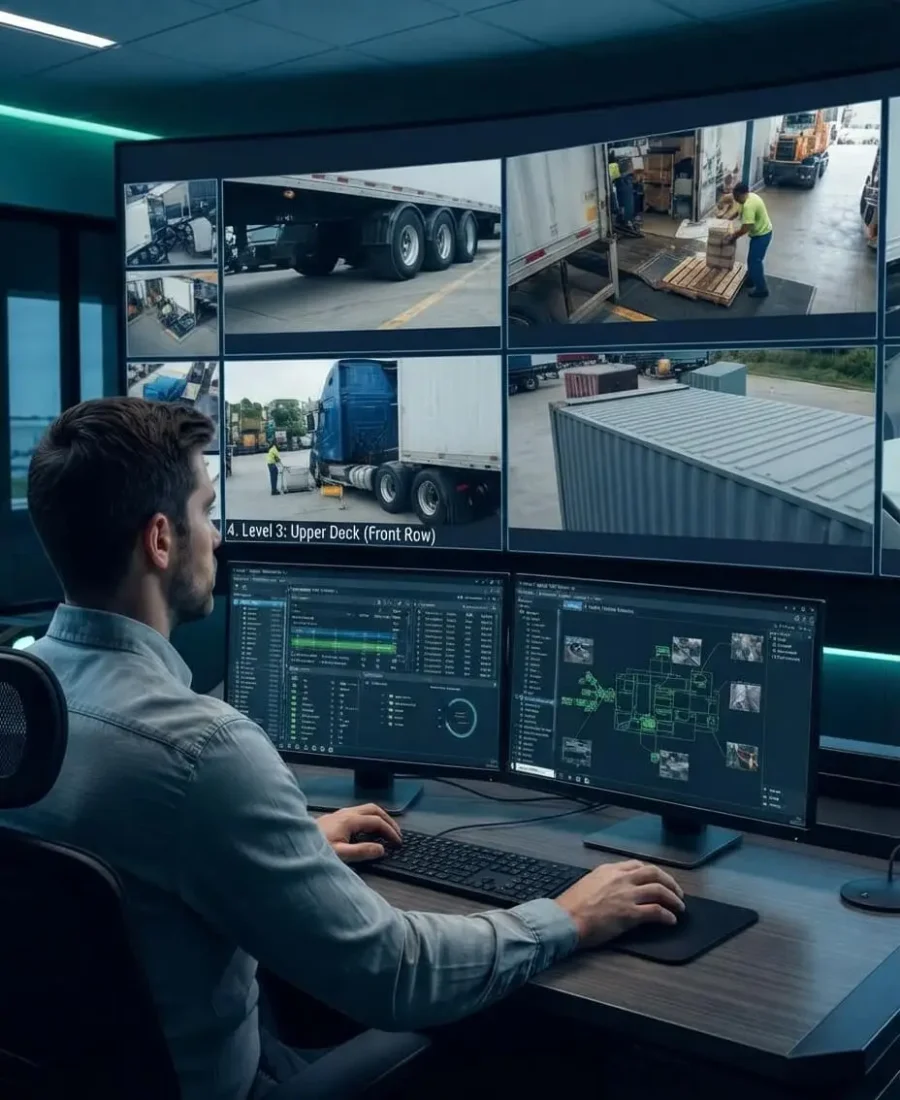
Virtual Guard CCTV places cameras across dock doors, trailer yards, and staging areas, and our monitoring center operators can review live camera feeds and assess suspicious activity during the monitoring hours included in the selected service plan. rather than storing footage that only gets pulled once something’s already missing.
We’re licensed under California PPO #121089, BBB A+ accredited since 2021, and have monitored commercial properties across California since 2014 — credentials you can verify.
A distribution center can have a dozen or more dock doors cycling at once, along with a trailer yard that turns over throughout the day.
Staff loading and unloading trailers are focused on the freight in front of them, not on every other door down the line or the far corner of the trailer yard where a spare trailer sits parked.
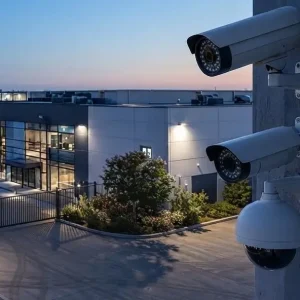
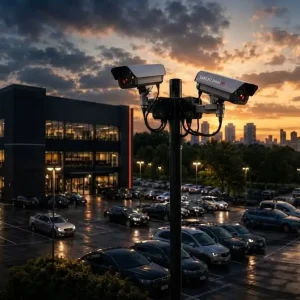
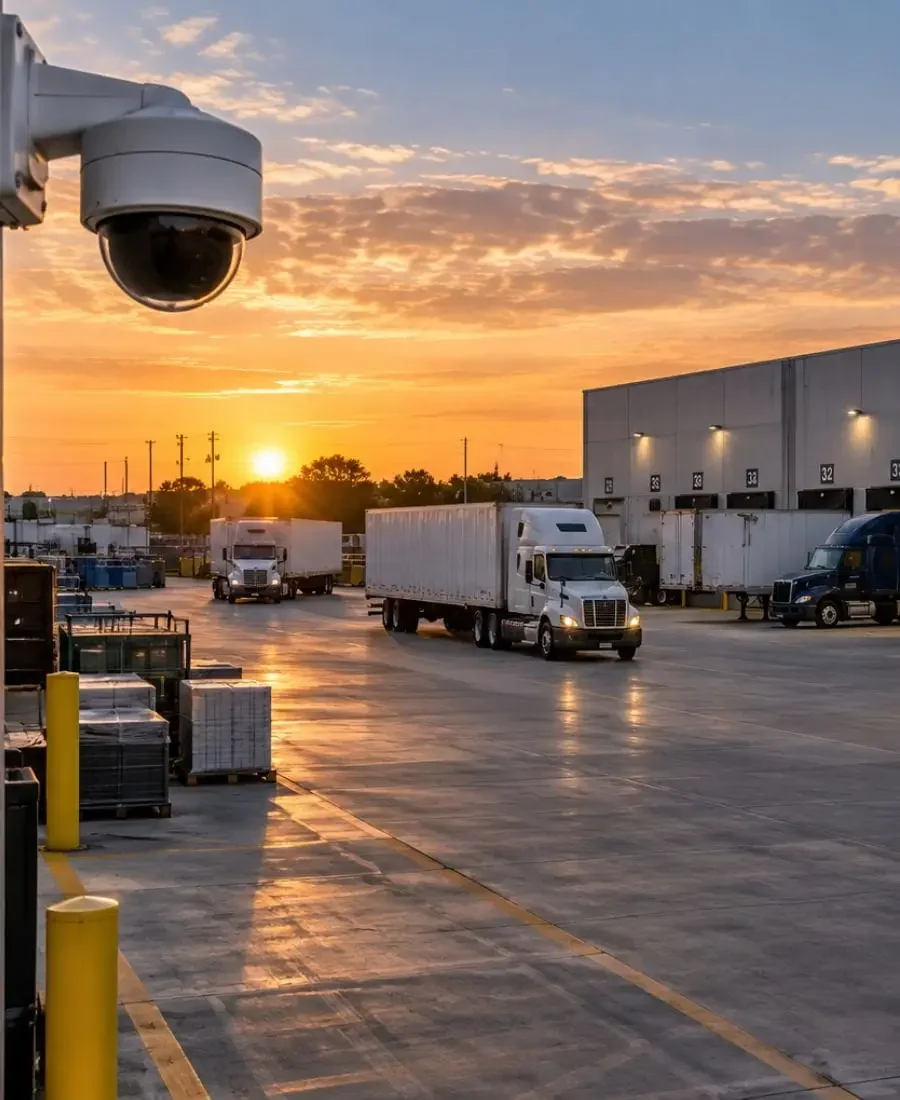
Strategically placed cameras can help monitor designated dock doors, trailer parking areas, and access points throughout a distribution center. Camera placement is planned around the facility’s layout, security priorities, and agreed coverage requirements. During contracted monitoring hours, trained operators can review flagged suspicious activity and follow established response procedures.
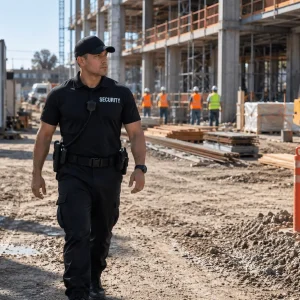
Active job sites lose equipment and materials to unsupervised overnight hours — the exact gap live monitoring is built to close.
Temporary or relocatable camera coverage may be available for suitable retail properties, depending on site requirements, equipment availability, and the selected monitoring plan.
Office buildings, financial institutions, and other commercial properties need monitored coverage of entry points and parking areas outside business hours, when the building sits empty.
Virtual Guard CCTV provides security solutions for distribution centers, logistics facilities, loading docks, and freight storage yards. With smarter technology, live monitoring, and real human intervention.
We believe security should be proactive, not reactive. Instead of only recording incidents after they happen,Our security solutions can help monitor suspicious activity at distribution centers, loading docks, and freight yards, with response options based on the selected service plan.
Our team supports construction sites, commercial properties, apartment communities, warehouses, retail locations, parking facilities, and high-risk environments that need dependable protection.
Dozens of carriers and drivers move through a distribution center daily, which makes a stranger at a dock door look ordinary instead of alarming.
Staff checking in one driver can’t also be watching every other dock door and the trailer yard behind them, especially during a peak stretch when several trailers are loading or unloading at once.
Distribution centers receive drivers, contractors, and delivery vehicles throughout the day, making it important to monitor activity around entry gates, loading docks, and trailer yards. AI-powered detection and trained operator review can help identify unusual activity during contracted monitoring hours. Verification of driver authorization or scheduled deliveries depends on the information and procedures made available by the facility.
Live-monitored dock and yard cameras, incident records tied to specific doors and trailers, and documentation built for loss and claims — not just a camera count.
Cameras connected to the monitoring service can provide coverage of designated dock doors, trailer parking areas, and facility access points. During contracted monitoring hours, AI-powered detection can flag suspicious activity for trained operator review. Actual camera coverage and monitoring availability depend on the installed equipment, facility layout, and agreed service plan.
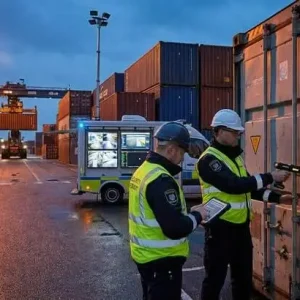
Incident reports and supporting footage may be available for reviewing security events involving loading docks, trailers, and access points. Where reporting is included in the monitoring plan, available records can help document detected activity and operator responses. Report availability, format, and recording retention depend on the installed system and agreed service terms.
Give us the door count, the yard size, and the shift pattern, and we’ll come back with coverage and a per-facility quote.
Distribution sites along California's freight routes run around the clock, and our operators cover the zones that go quiet
What DC managers raise when dock and yard coverage comes up.
Cameras are placed at each individual dock door and across the trailer yard, feeding a monitoring center that watches every door at once instead of the handful staff on the floor can see while they’re loading or unloading. An operator can see a door left open, a trailer that doesn’t match the schedule, or activity at a door nobody’s currently working, and respond in real time rather than finding out during a later review.
An operator watching live feeds checks activity at a dock door or in the trailer yard against what’s actually expected — a driver walking to a scheduled pickup looks different from someone lingering near freight or moving between doors with no clear reason to be there. Because the operator is watching continuously rather than checking in once, unusual movement gets flagged as it happens instead of after a driver has already left the property.
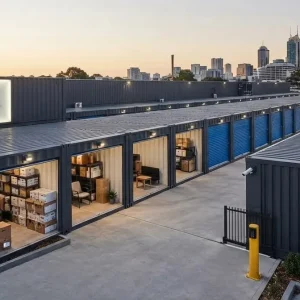
Security cameras positioned around designated trailer staging and freight storage areas can help identify suspicious activity while cargo is awaiting pickup or transfer. During contracted monitoring hours, AI-powered detection can flag potential security events for trained operators to review. Actual coverage depends on camera placement, installed equipment, and the facility’s monitoring plan.
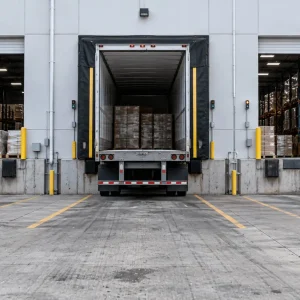
Security cameras positioned around designated loading dock doors can help identify suspicious activity across busy distribution areas. During contracted monitoring hours, AI-powered detection can flag potential security events for trained operators to review. Actual coverage depends on camera placement, installed equipment, and the facility’s monitoring plan.
Incident documentation may be available for security events involving loading docks, trailers, and freight staging areas. Where incident reporting is included in the monitoring plan, available records can help document detected activity and operator responses. The level of detail, report availability, and retention periods depend on the installed system and agreed service terms.
How much does distribution center security monitoring cost?
Distribution center security monitoring costs vary depending on the number of cameras, facility size, trailer yard layout, required coverage areas, and monitoring schedule. Pricing is determined based on the property’s security needs, equipment requirements, and selected services. Contact our team for a quote tailored to your distribution center.