AI sorts people and vehicles from wind, shadows and animals. A trained operator then verifies every alert before anyone acts.
A camera system that classifies what it sees before an alert reaches a person, so operators review real activity instead of noise.
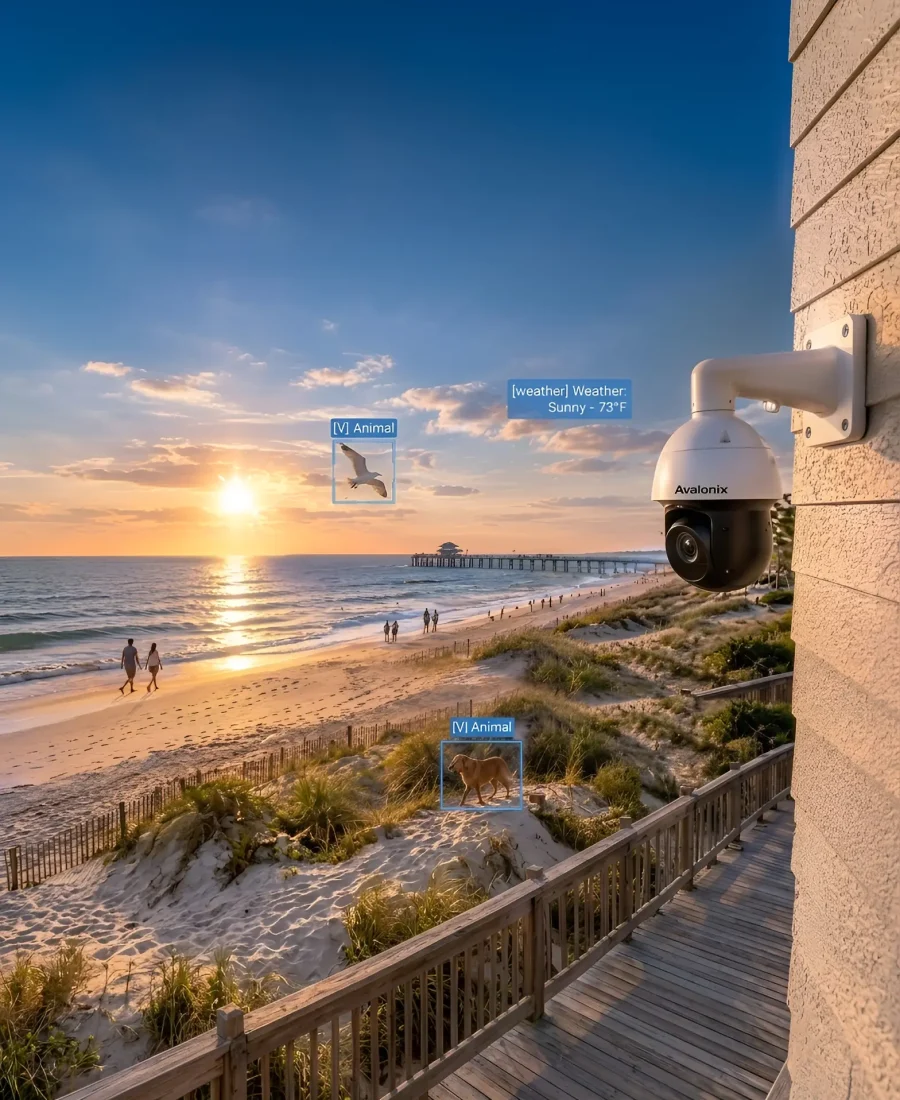
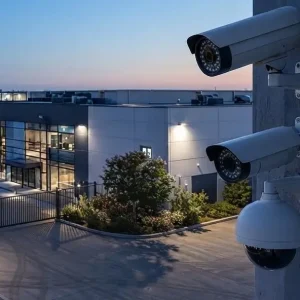
An AI surveillance unit is a camera system that uses object-detection software to classify what it sees — person, vehicle, animal — before an alert ever reaches a human, cutting false alarms so the monitoring center operator responding is looking at activity that actually matters.
A standard motion-detection camera reacts to any change in the frame: a moving branch, a shifting shadow, a stray cat crossing a loading dock. Every one of those triggers a notification, and a property with dozens of cameras can generate hundreds of alerts a night that nobody has time to review.
AI detection adds a classification step before the alert fires. The system distinguishes a person walking toward a fence line from a delivery truck idling in a lot or a raccoon moving through a stockroom, and only activity matching a defined rule — a person entering after hours, a vehicle parked past close — gets escalated.
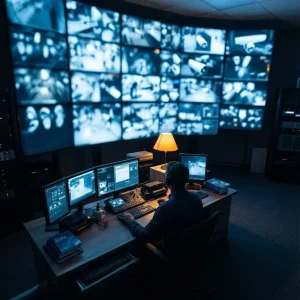
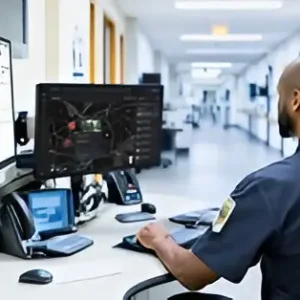
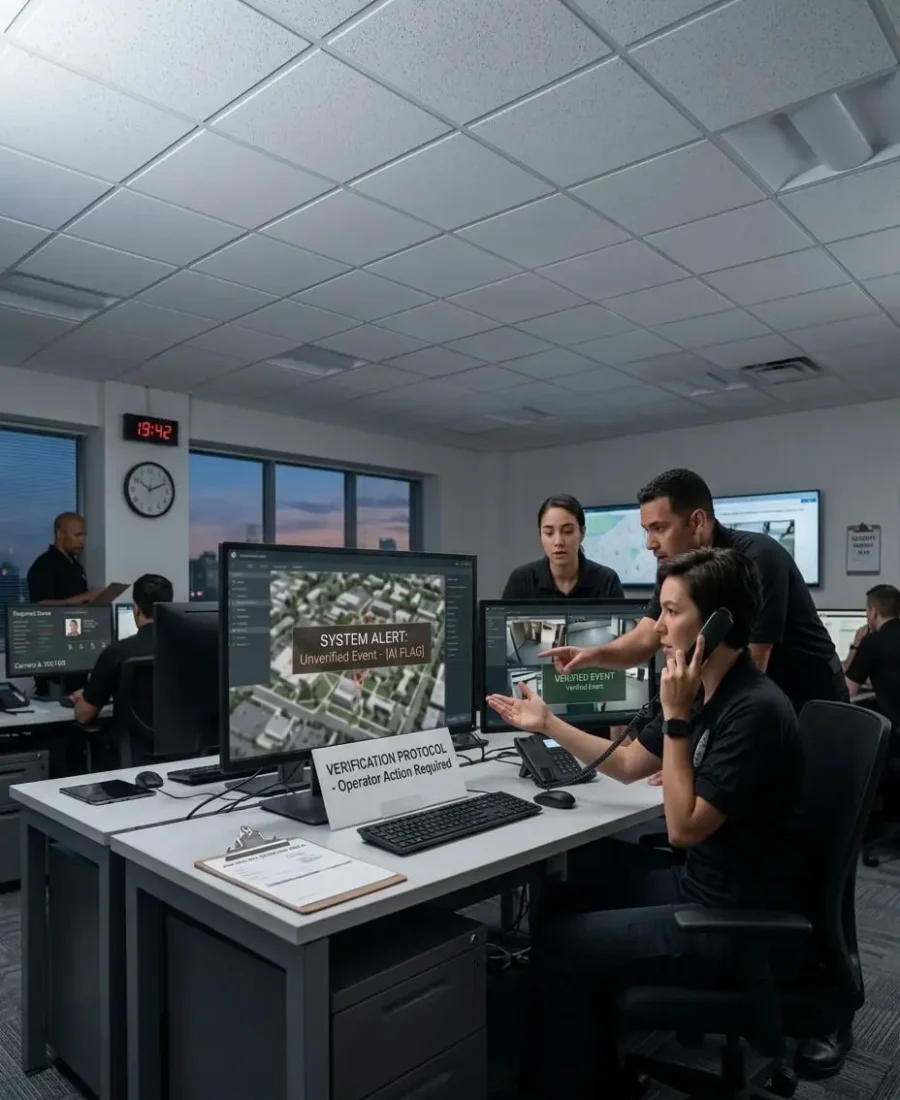
Once an alert clears that classification step, it still goes to a monitoring center operator, not straight to a siren or a dispatch call. The operator pulls up the live feed, confirms what’s actually happening, and decides whether to issue a live audio warning, contact the property, or call law enforcement.
That combination — AI narrowing what deserves attention, a person confirming before anyone acts on it — is what
separates an AI surveillance unit from either a plain motion-alert camera or a fully automated system with no human
in the loop.
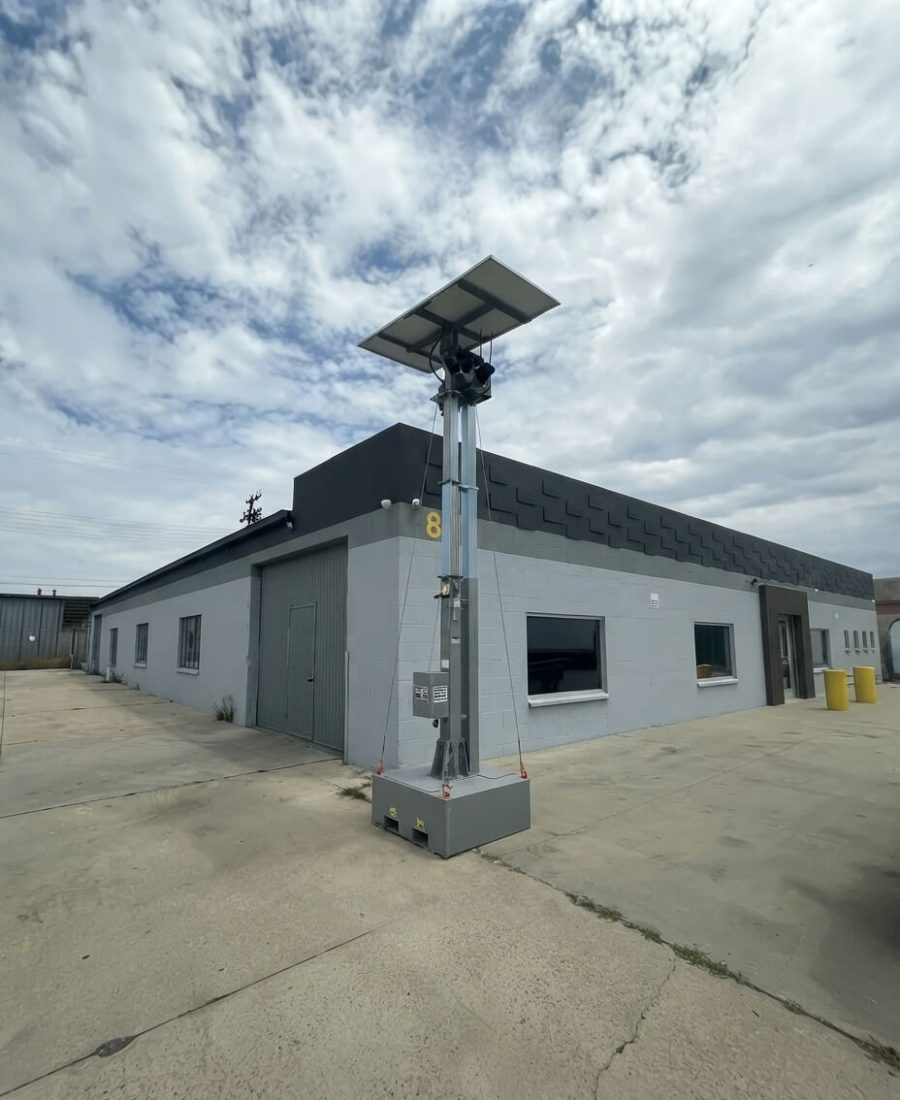
AiGuard sits on top of the live-monitored camera system we already run. It isn’t a standalone app that nobody is watching.
Virtual Guard CCTV built AiGuard as an addition to the monitoring center already staffed behind every camera we place, not a standalone product sold on its own. The AI narrows down which alerts an operator needs to see first, on properties across California.
That distinction matters because an unmonitored AI camera can only push a phone notification to whoever happens to be free. Ours reaches a trained person, already watching, who can verify the feed and decide what happens next.
The AI weighs shape, movement and size, so a branch in the wind or a stray animal doesn’t pull an operator away from real activity.
The AI evaluates shape, movement pattern, and size before deciding what’s in frame — a person walking a defined path reads differently than a tree branch swaying, rain streaking across the lens, or a stray animal crossing an empty lot.
That filtering step is what keeps an operator’s attention on activity worth reviewing instead of every gust of wind,
passing headlight, or nighttime animal that would otherwise trip a plain motion sensor.
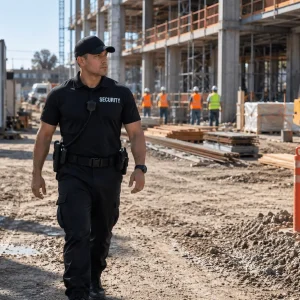
Active job sites lose equipment and materials to unsupervised overnight hours — the exact gap live monitoring is built to close.
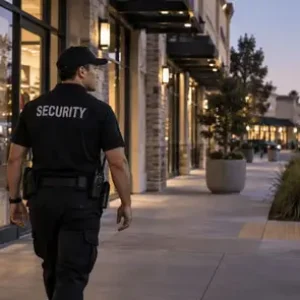
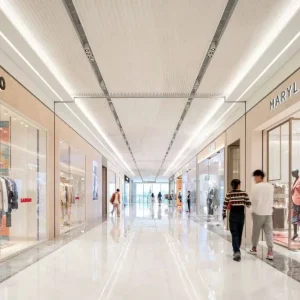
Temporary or relocatable camera coverage may be available for suitable retail properties, depending on site requirements, equipment availability, and the selected monitoring plan.
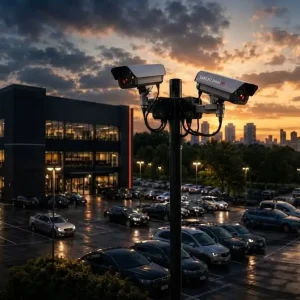
Office buildings, financial institutions, and other commercial properties need monitored coverage of entry points and parking areas outside business hours, when the building sits empty.
Virtual Guard CCTV is a modern security company built to help businesses protect their properties with smarter technology, live monitoring, and real human intervention.
We believe security should be proactive, not reactive. Instead of only recording incidents after they happen, our system combines AI-powered detection with trained live operators who monitor activity, verify threats, issue warnings, and respond in real time.
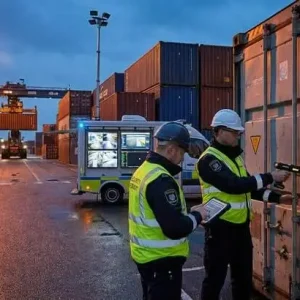
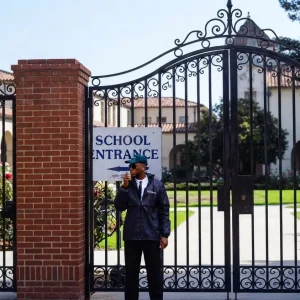
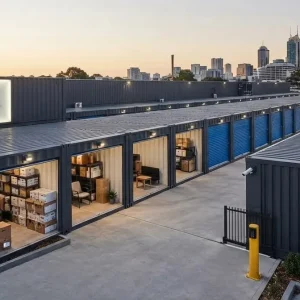
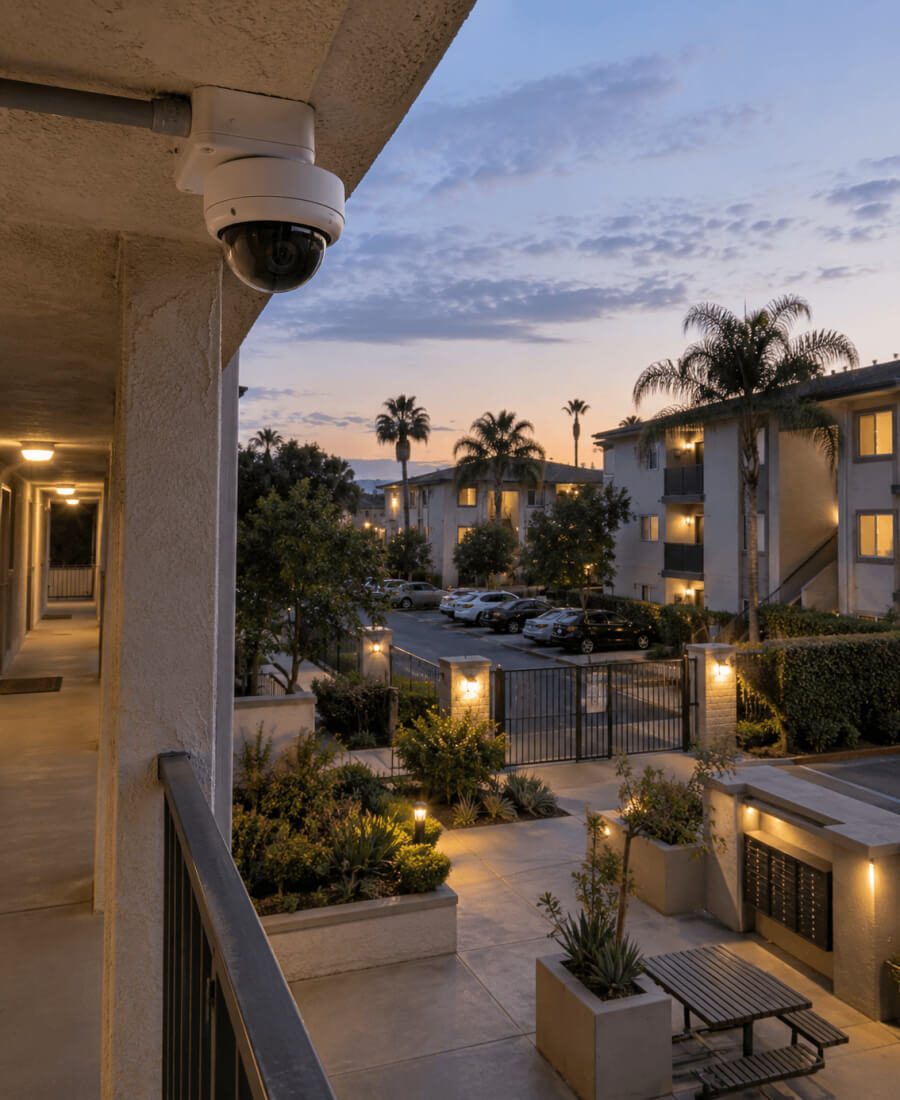
Our team supports construction sites, commercial properties, apartment communities, warehouses, retail locations, parking facilities, and high-risk environments that need dependable protection.
A flagged detection lands on an operator’s screen with the live feed already open. Nothing is dispatched until a person confirms it.
When the AI flags activity matching a defined rule, the alert routes to a monitoring center operator’s screen with the live feed already pulled up, not to an automated response.
The operator reviews what the camera is showing, confirms whether it’s a genuine concern, and responds with a live audio warning, a call to the property, or a call to law enforcement — the same verification step every monitored camera goes through, just reached faster.
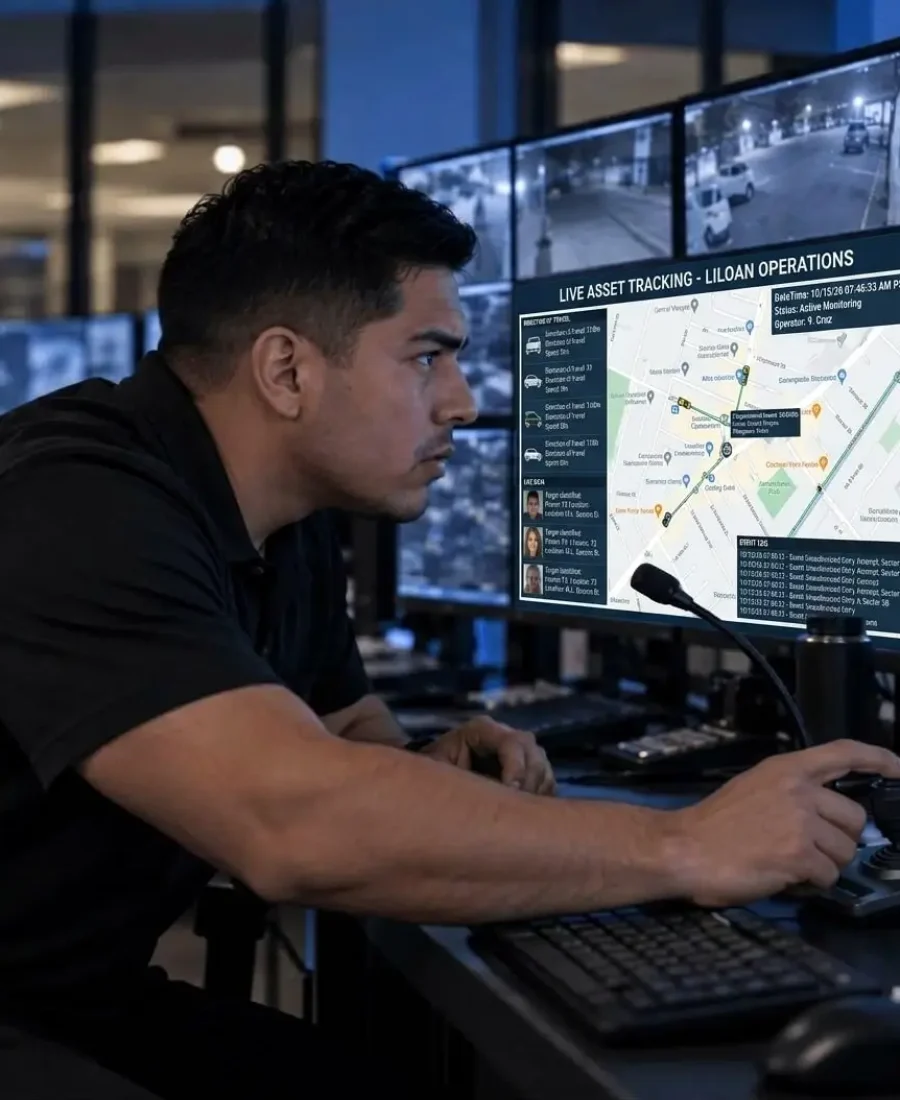
Each alert is logged with the camera, the timestamp, what the AI flagged and what the operator did. Property managers can see it from a phone.
Each verified alert generates a record showing the camera, the timestamp, what the AI flagged, and the outcome the operator logged once the feed was checked and closed out for that property.
Property managers get access to that log alongside their live feeds from a phone, so a flagged overnight event is documented the same way whether or not anyone was awake to see it happen in real time.
If your cameras are already up, we’ll look at what’s generating your alerts today and show where classification would cut the noise.
Installed and monitored for commercial clients across California, with detection feeding straight to our operators.
What owners ask before deciding whether detection is worth adding.
We don’t publish a specific detection-accuracy figure, since performance varies by lighting, camera placement, and scene complexity. What stays constant is the verification step: every AI-flagged alert is reviewed by a live monitoring center operator before any action is taken, so the system’s role is narrowing attention, not making the final call.
AI classification screens out activity that isn’t a person or vehicle before an alert reaches an operator, which cuts down on the alerts triggered by wind, shadows, or animals that plain motion detection can’t distinguish. We don’t publish a specific reduction figure without a sourced study behind it.
No. AI narrows down which camera feeds need attention first; a trained operator still reviews the flagged activity, confirms what’s happening, and decides whether to issue a live audio warning, contact the property, or call law enforcement.
Yes. The classification step evaluates shape, movement, and size to distinguish a person from an animal, a vehicle, or environmental motion like blowing debris, so alerts sent to an operator are more likely to reflect genuine activity.
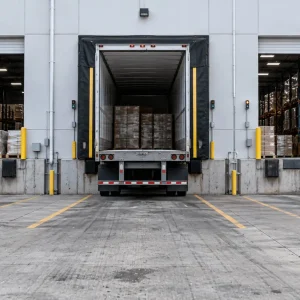
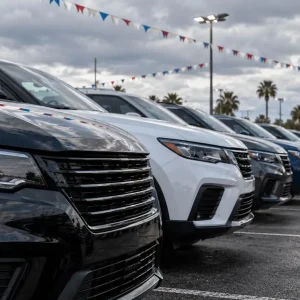
AiGuard is deployed across retail, construction, industrial, and commercial properties, with detection rules set for each site’s layout — after-hours entry points, perimeter fence lines, loading docks, and parking areas.
The flagged clip and live feed route to a monitoring center operator, who verifies what the camera is showing before responding with a live audio warning, a call to the property, or a call to law enforcement. Every verified event is logged for the property owner’s records.