GET A QUOTE
Solar Surveillance Trailer

Guardian3 Solar Surveillance Trailer

Solar Surveillance Trailers

What Is a Solar Surveillance Trailer?

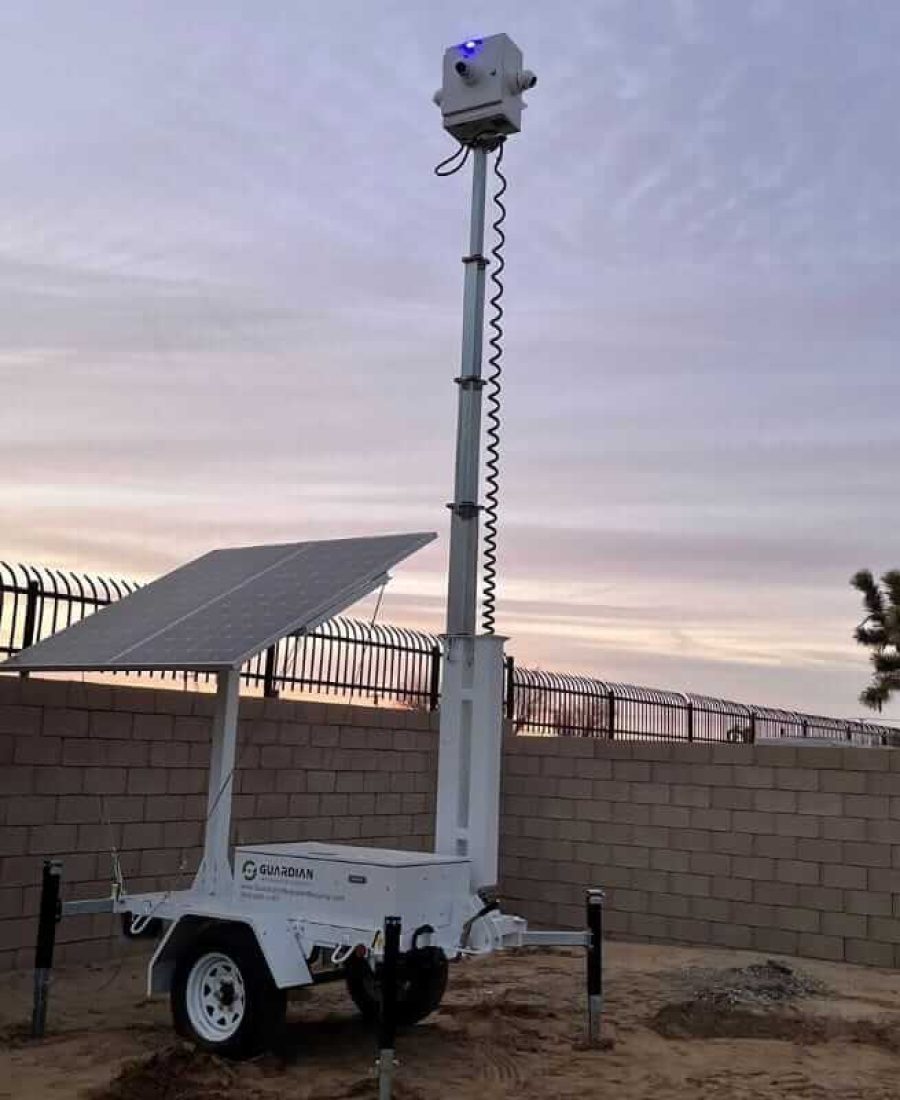
A solar surveillance trailer is a mobile, self-powered camera unit that runs entirely on solar panels and onboard batteries, providing live remote video monitoring at a site with no fixed power source or network wiring — deployed, relocated, and picked up as a property’s coverage needs change.

The solar array charges a battery bank during daylight hours, and that stored charge carries the unit’s cameras, mast, and communications equipment through the night and through stretches of overcast weather without a generator or a trenched power line.

These trailers work best at sites that don’t have permanent infrastructure to plug into: open construction lots before utilities go in, vacant land awaiting development, seasonal overflow parking, and temporary staging yards where a fixed camera system isn’t practical.

They typically replace a stopgap that’s harder to sustain — a generator-run camera that needs regular refueling, or an unmonitored trail camera that only records instead of alerting anyone in real time. A solar trailer keeps a live monitoring center connected to the site around the clock.

Because the unit tows into place and self-levels on its own stand, a site can go from bare ground to a live-monitored camera position in a single visit, without waiting on a utility hookup or a wired install crew.
What We Provide

COMPLETE SECURITY SOLUTION

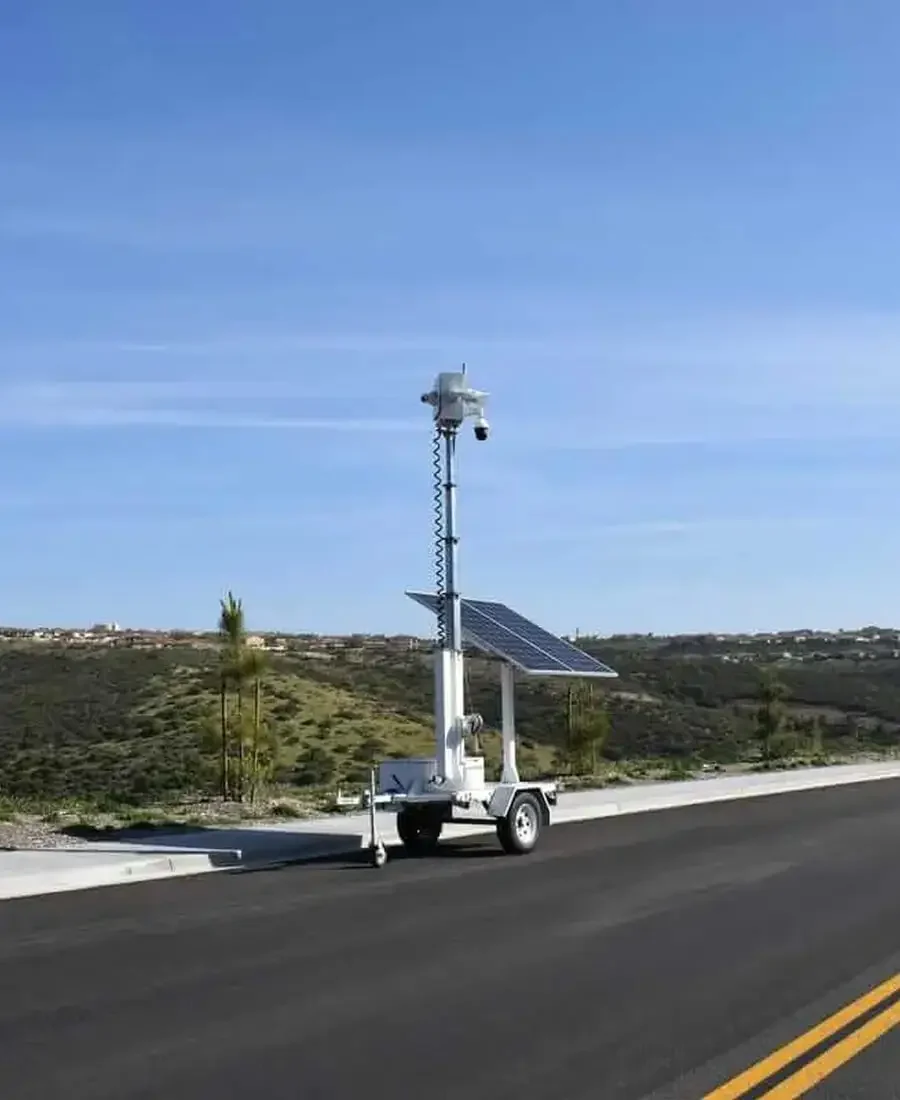
White mobile surveillance trailer with solar panels and elevated security cameras positioned along a paved road overlooking open hills.
Trailer, Then Operator

A Mobile Unit, Backed by a Live Monitoring Center

The Guardian3 looks like standalone hardware, but every feed it captures runs to the same live monitoring
center behind our fixed camera installs.

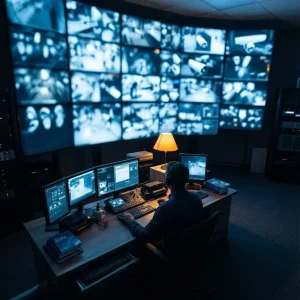
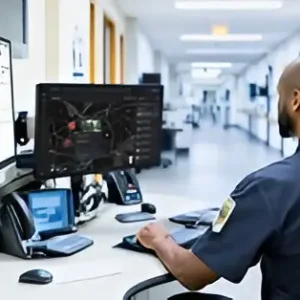
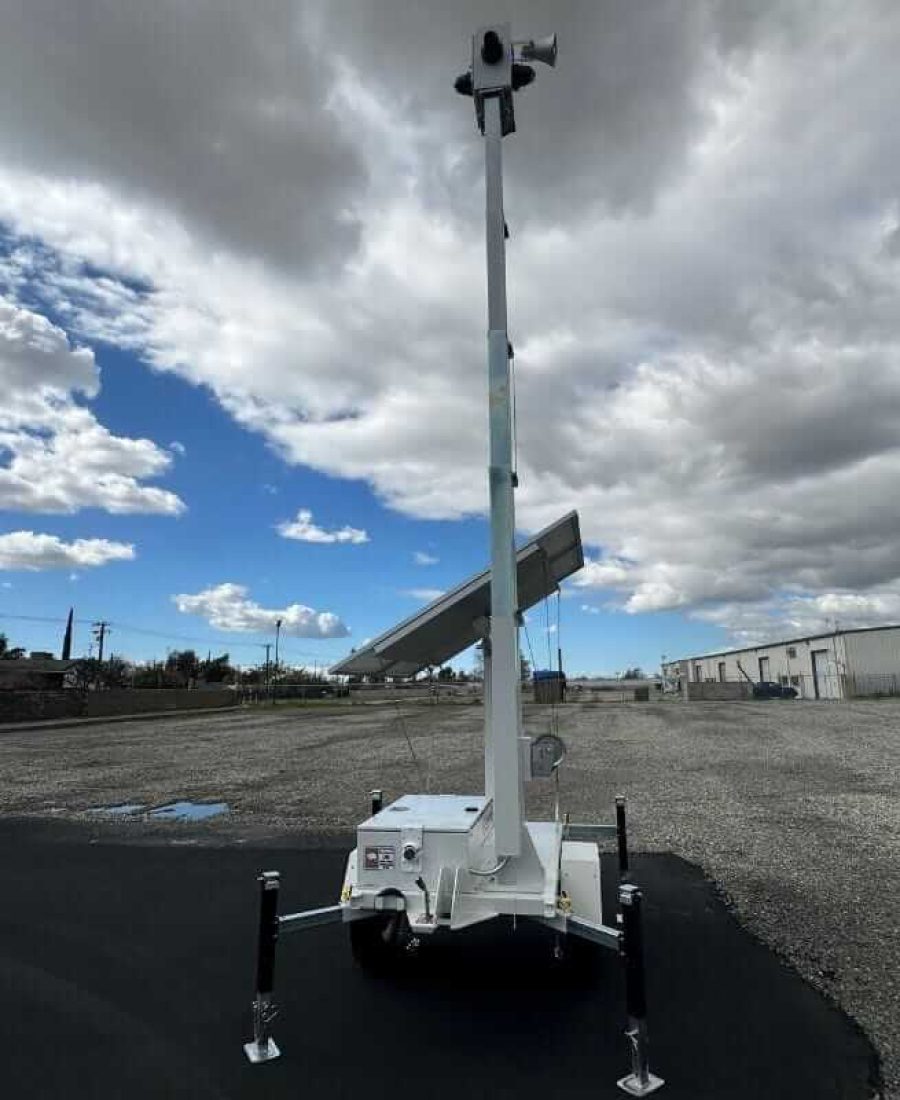
The trailer itself is just the delivery mechanism — solar panel, battery bank, and a raised camera mast. What makes it a security asset is the live monitoring center on the other end of its connection, watching the feed the same way it watches a permanently wired install.

That means a site with no power and no network drop still gets a trained operator watching in real time, not a camera quietly recording to a card that nobody reviews until something’s already gone wrong.

Solar and Battery System

How the Solar and Battery System Runs Unattended

The panel and battery bank are sized to keep cameras, the mast, and communications running through the
night without anyone visiting the site.

Daylight hours recharge the onboard battery bank, and that stored charge is what carries the unit through darkness, cloud cover, and stretches between site visits. The system is built to sustain continuous camera operation and live video transmission without a generator or a wired power feed.

Because the trailer isn’t tied to a fixed electrical connection, it can sit on raw land, an unlit lot, or a site still waiting on

White mobile surveillance trailer with a raised security camera mast and solar panel, positioned beside a fenced perimeter wall at dusk.
Industries We Protect

Sites Guardian3 Is Built For

Years of experience
0 +
Businesses Protected
0 +
BBB
A+
Monitoring
0 /7

CONSTRUCTION SERVICES

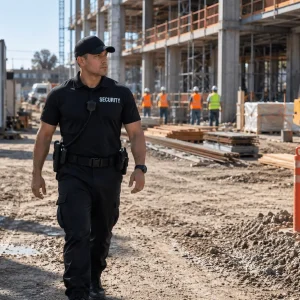
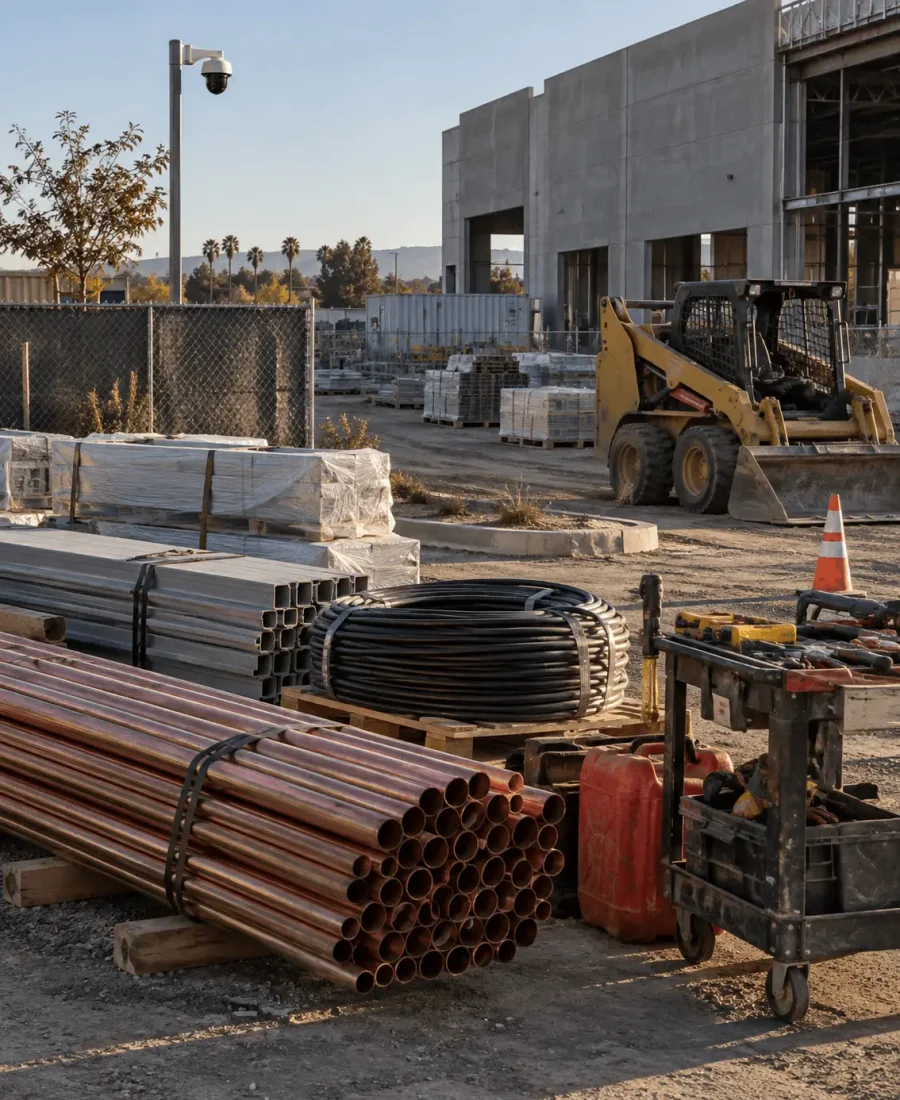
Active job sites lose equipment and materials to unsupervised overnight hours — the exact gap live monitoring is built to close.

Years of experience
0 +
Businesses Protected
0 +
BBB
A+
Monitoring
0 /7

RETAIL SERVICES

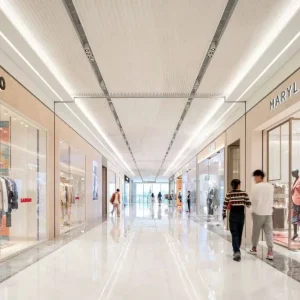
Temporary or relocatable camera coverage may be available for suitable retail properties, depending on site requirements, equipment availability, and the selected monitoring plan.

Years of experience
0 +
Businesses Protected
0 +
BBB
A+
Monitoring
0 /7

INDUSTRIAL SERVICES

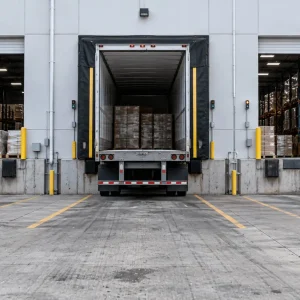
Warehouses and distribution facilities carry high-value inventory across large, hard-to-patrol footprints, where live camera coverage replaces walking a perimeter that’s too big to physically check.
Years of experience
0 +
Businesses Protected
0 +
BBB
A+
Monitoring
0 /7

COMMERCIAL SERVICES

Office buildings, financial institutions, and other commercial properties need monitored coverage of entry points and parking areas outside business hours, when the building sits empty.

A construction site with bundled metal pipes, stacked building materials, a skid-steer loader, and a wheeled tool cart in the foreground. A surveillance camera is mounted on a pole beside a chain-link fence, with a partially constructed building in the background.
Common Trailer Sites

Sites a Guardian3 Gets Towed To

Guardian3 solar surveillance trailers are designed for properties that need temporary or relocatable security coverage, especially locations without established power or network infrastructure. Common applications include active construction sites, vacant development lots, equipment storage yards, and temporary staging areas.

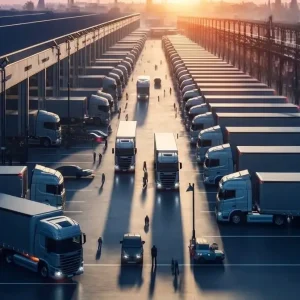
Construction projects may need monitoring around stored materials, equipment, and access points as work progresses. Logistics yards and outdoor storage areas have different security concerns involving parked trailers, vehicles, and valuable equipment.

Guardian3 offers a mobile surveillance option for these changing environments. As site requirements evolve, the trailer can be repositioned or relocated to another suitable location, with deployment and camera coverage assessed according to the property’s layout and security needs.

What It Detects and Deters

What the Guardian3 Detects and Deters

Motion and object detection flag activity in real time, so an operator can respond to an intrusion attempt
before it becomes a loss.

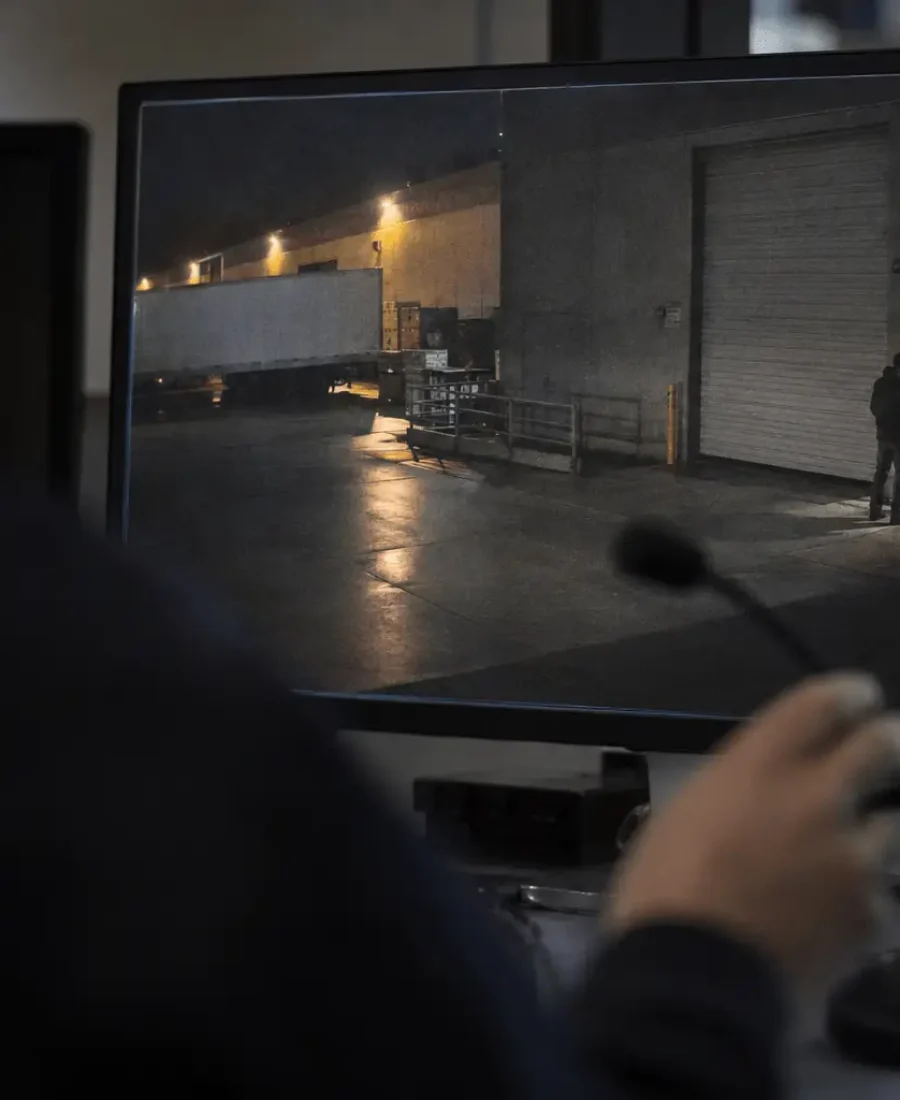
The raised camera mast gives the unit an elevated, wide field of view across an open lot or yard, and AI-assisted motion detection flags movement for a monitoring operator to review rather than requiring someone to watch the feed continuously.

A visible trailer with an active camera mast is itself a deterrent, and when someone tests that deterrent anyway, live audio and a monitoring center response follow the same escalation path as any other camera on our network.

Security monitoring operator viewing nighttime surveillance footage of a warehouse loading dock, parked trailer, and person standing near a roll-up door.
White mobile surveillance trailer with an elevated security camera mast, loudspeakers, and solar panels positioned in an open industrial lot near a warehouse.
Deploy, Move, Report

Deployment, Relocation, and What You Receive

The unit tows into place, self-levels, and starts transmitting the same day — then relocates with the site as
coverage needs shift.

A Guardian3 unit arrives on a trailer hitch, is positioned and leveled on site, and begins live transmission to the monitoring center without a wired power or network install. As a project phase ends or a site’s footprint changes, the same unit relocates to the next position instead of leaving a fixed camera install behind.

Every deployment includes live-monitored coverage, night vision, and manager-level access to the live feed, plus a record of what the monitoring center saw and did on any flagged activity.

Ready to Deploy a Guardian3 on Your Site?

Tell us where the site is and what power it has, and we’ll confirm whether a Guardian3 covers it and how fast it can be on the ground.

WHERE WE SERVE

Guardian3 Availability in California

Guardian3 trailers deploy to active job sites and remote yards across the state, and move with the project as it changes.

Los Angeles County Orange County San Diego County Riverside County San Bernardino County Ventura County Santa Clara County Alameda County Sacramento County San Joaquin County
guardian3 questions

Guardian3 Trailer FAQ

What site owners want settled before a trailer gets towed in.

How long does a Guardian3 unit run without sunlight?

Guardian3 uses solar panels to charge an onboard battery bank that powers its cameras and communications equipment when sunlight is unavailable. Battery runtime depends on available charge, weather conditions, equipment power requirements, and the system configuration. Our team can assess the site’s power and monitoring needs to determine a suitable deployment setup.

No. The unit transmits its live feed to the monitoring center over its own connection, independent of any on-site network or Wi-Fi. That’s part of what makes it suited to raw land, pre-development sites, and locations where no wired infrastructure exists yet.

Guardian3 is designed for mobile deployment without requiring a traditional wired camera installation. Once delivered, the unit can be positioned, leveled, and configured for monitoring. Delivery and activation timelines depend on unit availability, site conditions, connectivity, and setup requirements.

Yes. As a project phase ends or a site’s footprint changes, the unit relocates to its next position rather than leaving a fixed installation behind, which is why it’s commonly used across successive phases of a construction project or between multiple properties under one management company

The raised mast gives the camera an elevated, wide field of view across an open lot or yard, feeding live video to a monitoring center operator who can review flagged motion and respond in real time, the same way any other camera on our network is monitored.

Both feed into the same live monitoring center and are held to the same live-response standard. The difference is deployment: a wired system is fixed to one building’s power and network, while a Guardian3 unit is built to operate independently at a site that doesn’t have that infrastructure yet.