GET A QUOTE
Industries We Protect

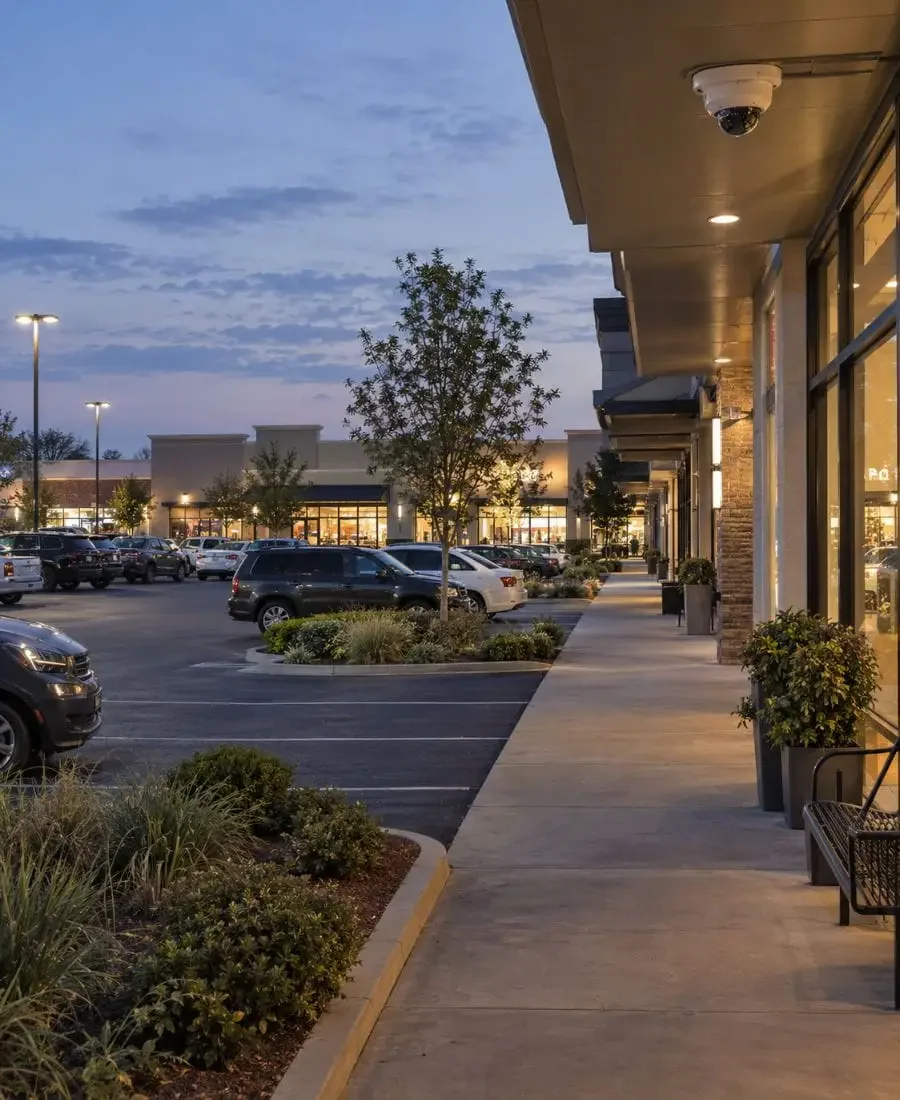
Multi-Tenant Retail Security

Shopping Center Security

What Is Shopping Center Security Monitoring?

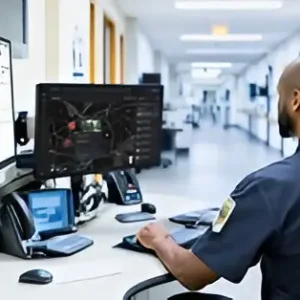
Shopping center security monitoring pairs live-feed cameras across a property’s parking lot, walkways, and service corridors with a remote operator who watches in real time, verifies suspicious activity, and can trigger a live audio warning or law enforcement call before an incident escalates.

The parking lot is usually the largest single risk surface on the property, serving every tenant at once and stretching well beyond what any one storefront can see. Poor lighting near the outer rows, catalytic converter theft, and vehicle break-ins concentrate in the spaces farthest from an entrance.

Common walkways and courtyards connect tenants to each other and to the parking field, and they see foot traffic long after any single store closes for the night. Landscaping, seating areas, and blind corners between buildings create spots a camera on one storefront alone was never meant to cover.

Behind the tenant line, service roads and loading corridors carry deliveries, dumpster access, and employee-only doors that customers never see and that most of the property’s own cameras rarely reach. Multiple tenants often share the same rear access, so an unlocked door on one unit exposes the whole row.

Tenants rarely close at the same hour. A grocery anchor may lock its doors at ten while a restaurant or gym stays open past midnight, leaving parts of the site lit and active while the rest sit dark. The property owner or manager carries liability for the whole site, not just one lease line.
What We Provide

COMPLETE SECURITY SOLUTION

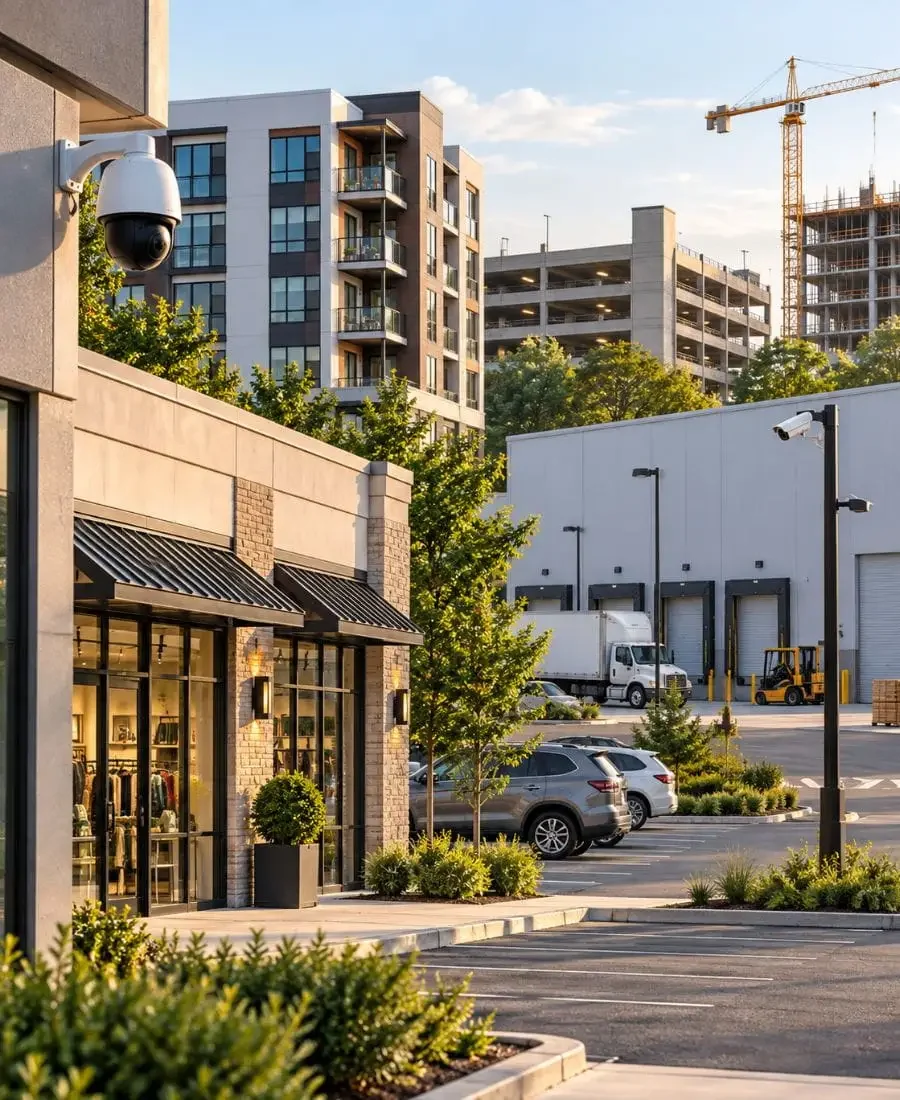
Camera watching over a retail store
One Property, Many Tenants

Live Monitoring Built for Multi-Tenant Properties

Virtual Guard CCTV monitors the shared spaces of a shopping center as one connected property, not a set of separate storefronts watched in isolation.

A shopping center answers to one owner or management company even though a dozen different businesses operate inside it, and our monitoring is built around that reality — cameras across the lot, walkways, and service areas report to a single operator, not a separate system for every tenant.

That single view matters most in the gaps between individual leases — the lot between two buildings, the corridor behind three different back doors — spaces no single tenant is responsible for watching but that affect every business on the site.

The Gaps Between Leases

Where Shopping Centers Are Exposed

Shared parking fields and common walkways sit outside any single tenant’s lease line, which is exactly where coverage gaps tend to open up.

The parking field is usually the biggest expanse of unmonitored space on the property, and it serves everyone at once: customers walking in from every direction, delivery trucks staging near back entrances, and cars sitting for hours near an anchor tenant that closed early for the night.

Courtyards, breezeways, and the landscaped edges between buildings see steady foot traffic long after the stores lining them go dark, and a single camera mounted on one storefront was never meant to watch the walkway two doors down.

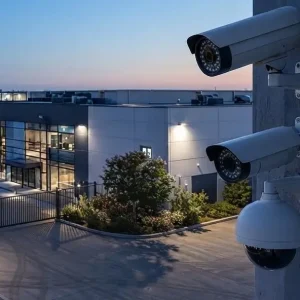
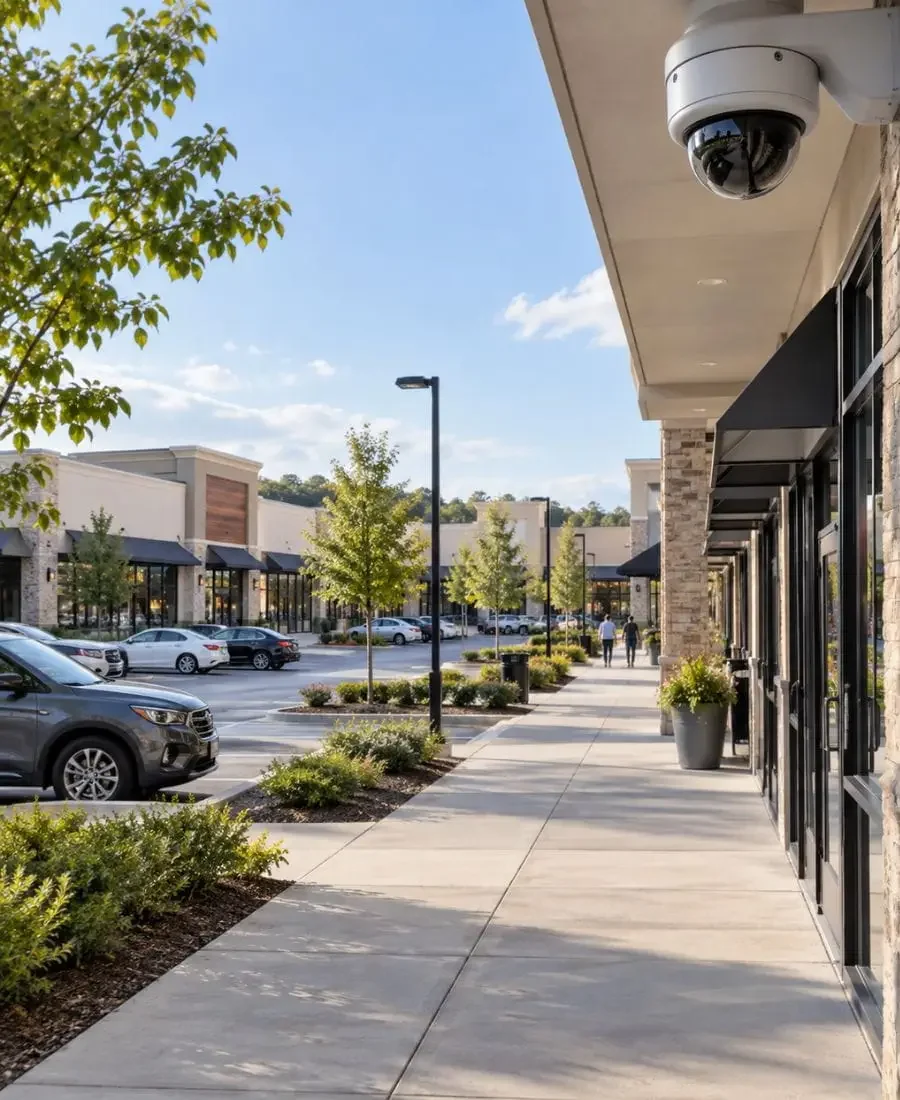
Camera monitoring a shopping center
Industries We Protect

Other Commercial Properties We Cover

Years of experience
0 +
Businesses Protected
0 +
BBB
A+
Monitoring
0 /7

CONSTRUCTION SERVICES

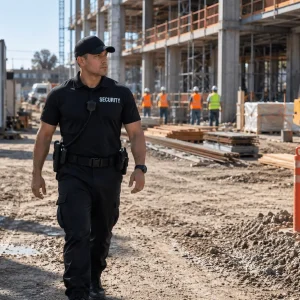
Active job sites lose equipment and materials to unsupervised overnight hours — the exact gap live monitoring is built to close.

Years of experience
0 +
Businesses Protected
0 +
BBB
A+
Monitoring
0 /7

RETAIL SERVICES

Temporary or relocatable camera coverage may be available for suitable retail properties, depending on site requirements, equipment availability, and the selected monitoring plan.

Years of experience
0 +
Businesses Protected
0 +
BBB
A+
Monitoring
0 /7

INDUSTRIAL SERVICES

Warehouses and distribution facilities carry high-value inventory across large, hard-to-patrol footprints, where live camera coverage replaces walking a perimeter that’s too big to physically check.
Years of experience
0 +
Businesses Protected
0 +
BBB
A+
Monitoring
0 /7

COMMERCIAL SERVICES

Office buildings, financial institutions, and other commercial properties need monitored coverage of entry points and parking areas outside business hours, when the building sits empty.

Detached camera monitoring a site
Centers and Their Tenants​

Property Types We Cover Beyond a Center

Virtual Guard CCTV provides security solutions for shopping centers, shared common areas, tenant entrances, and parking lots serving multiple retail businesses.

We believe security should be proactive, not reactive. Instead of relying solely on recorded footage, our system combines AI-powered detection with trained operators who review suspicious activity during contracted monitoring hours. Depending on the installed equipment and established response procedures, operators may issue audio warnings or contact the appropriate authorities when necessary.

Our team supports construction sites, commercial properties, apartment communities, warehouses, retail locations, parking facilities, and high-risk environments that need dependable protection.

Staggered Hours

When Part of the Property Goes Dark

A shopping center never closes all at once — one tenant locks up early while another runs past midnight, and coverage has to follow that schedule.

An anchor grocery store might shut its doors at ten while a restaurant, gym, or pharmacy next door stays open for hours afterward, so part of the site is fully staffed and lit while the rest sits closed and dark, often with only a wall in between.

Service and loading corridors behind the building line feel this shift hardest — deliveries stop, employees go home, and the same rear doors and dumpster areas that were busy all afternoon sit unwatched until the first truck arrives the next morning.

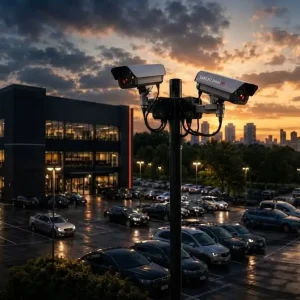
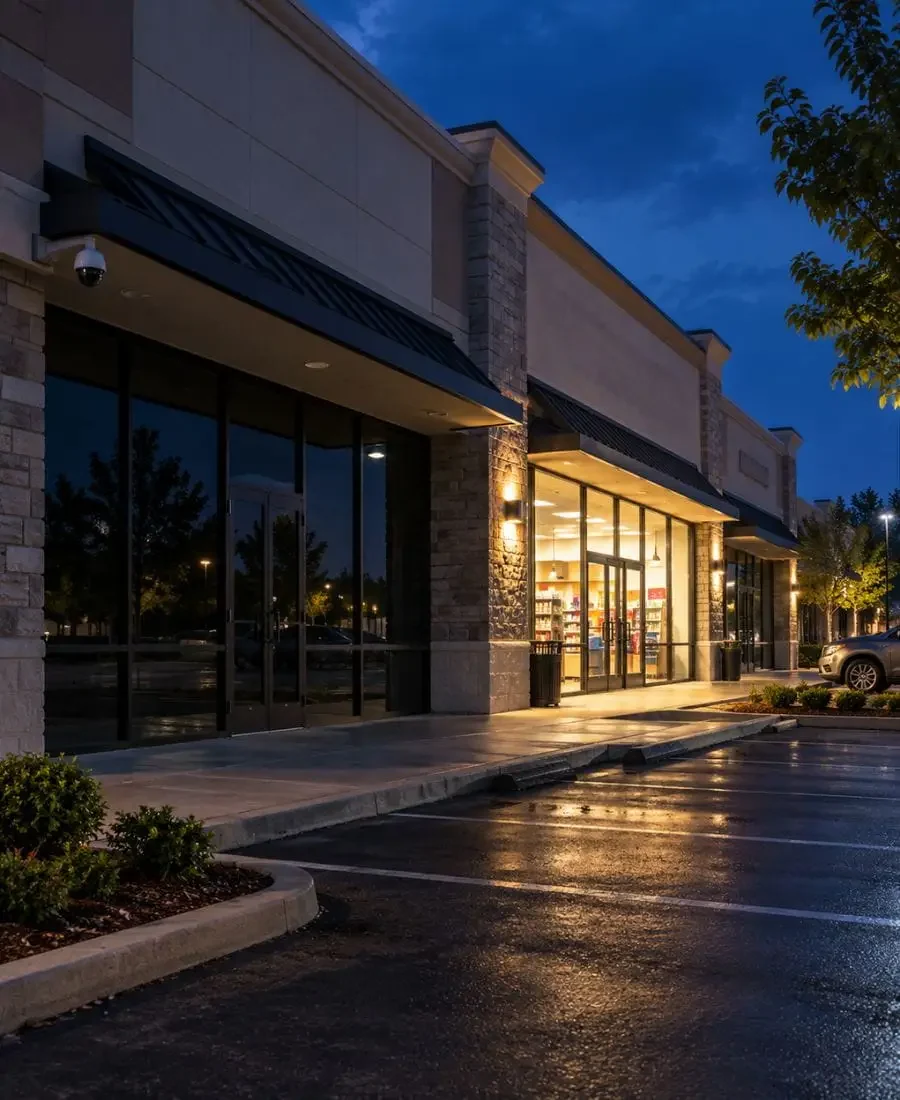
Camera watching over a dark shopping center
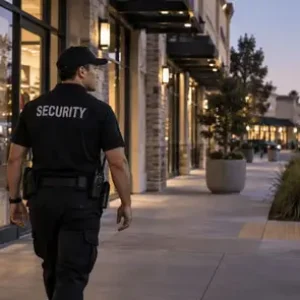
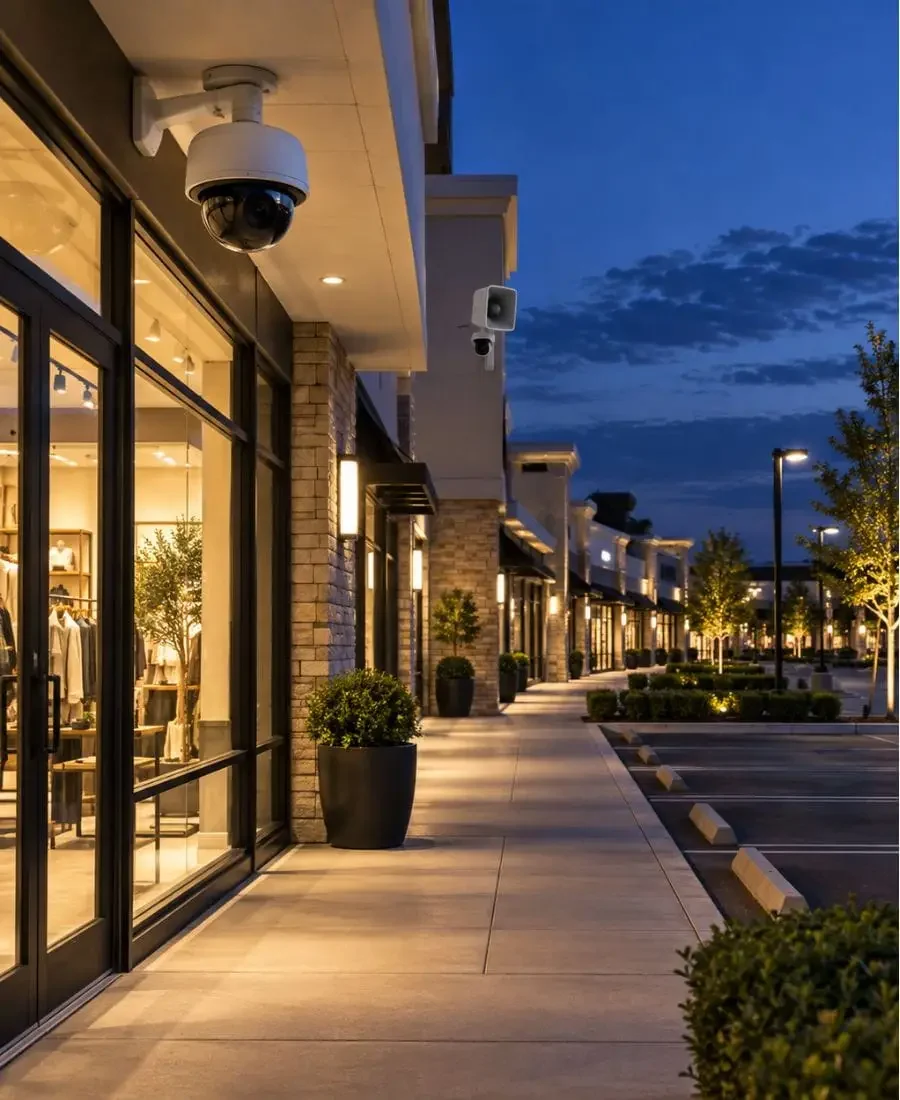
Cameras monitoring a shopping center walkway
Included Across the Center

What's Included With Shopping Center Monitoring

Live-monitored cameras, night vision, and two-way audio across the property, plus incident reporting built for an owner, manager, or insurer to review.

Cameras can be positioned around parking areas, shared corridors, entrances, and other common spaces based on the shopping center’s security needs. During contracted monitoring hours, AI-powered detection can flag suspicious activity for operator review. Night vision and two-way audio capabilities depend on the installed equipment and monitoring plan.

Property managers may access camera feeds and incident information remotely, depending on their system configuration and service agreement. Where incident reporting is included, available records can help document security events, operator responses, and relevant timestamps for future review.

Ready to Monitor Your Shopping Center?

Request a no-obligation site walk and a monitoring plan built specifically for your center’s parking field, common areas, and tenant mix.

WHERE WE SERVE

Shopping Center Coverage Across California

Multi-tenant centers across the state close in stages, and coverage begins on each section as it empties.

Los Angeles County Orange County San Diego County Riverside County San Bernardino County Ventura County Santa Clara County Alameda County Sacramento County San Joaquin County
shopping center questions

Shopping Center Security FAQ

What owners and center managers ask about covering a multi-tenant property.

How do you monitor shared parking areas at a shopping center?

AI-powered video monitoring can help identify suspicious activity around shopping center parking lots, entrances, and vehicle rows. During contracted monitoring hours, trained operators review flagged events and may issue audio warnings or contact law enforcement when appropriate. Actual coverage depends on camera placement, installed equipment, and the property’s monitoring plan.

Who is responsible for security across a shopping center’s common areas?

Security responsibilities for storefronts, parking areas, walkways, and shared spaces depend on lease agreements and property management arrangements. A shared monitoring plan can help property owners or managers oversee designated common areas, with coverage determined by camera placement, site layout, and the contracted monitoring scope. This provides a coordinated approach to security without requiring every tenant to maintain a separate system.

Loitering and encampment concerns require coordination with property management and appropriate authorities. AI-powered video monitoring can help identify activity in designated common areas during contracted monitoring hours. Trained operators can review flagged events and, when appropriate, notify property management or follow established escalation procedures based on the monitoring plan.

Yes, a shared monitoring plan can be designed to cover designated common areas serving multiple tenants, including parking lots, walkways, and shared entrances. Actual coverage depends on the property’s layout, camera placement, and agreed monitoring scope. Individual tenant spaces may require separate arrangements depending on their security needs.

Back-of-house areas, such as loading docks, service corridors, and delivery entrances, can be included in a shopping center’s security monitoring plan. Cameras placed in these areas can help detect suspicious activity and support operator review during contracted monitoring hours. Actual coverage depends on the property’s layout, installed cameras, and agreed monitoring scope.