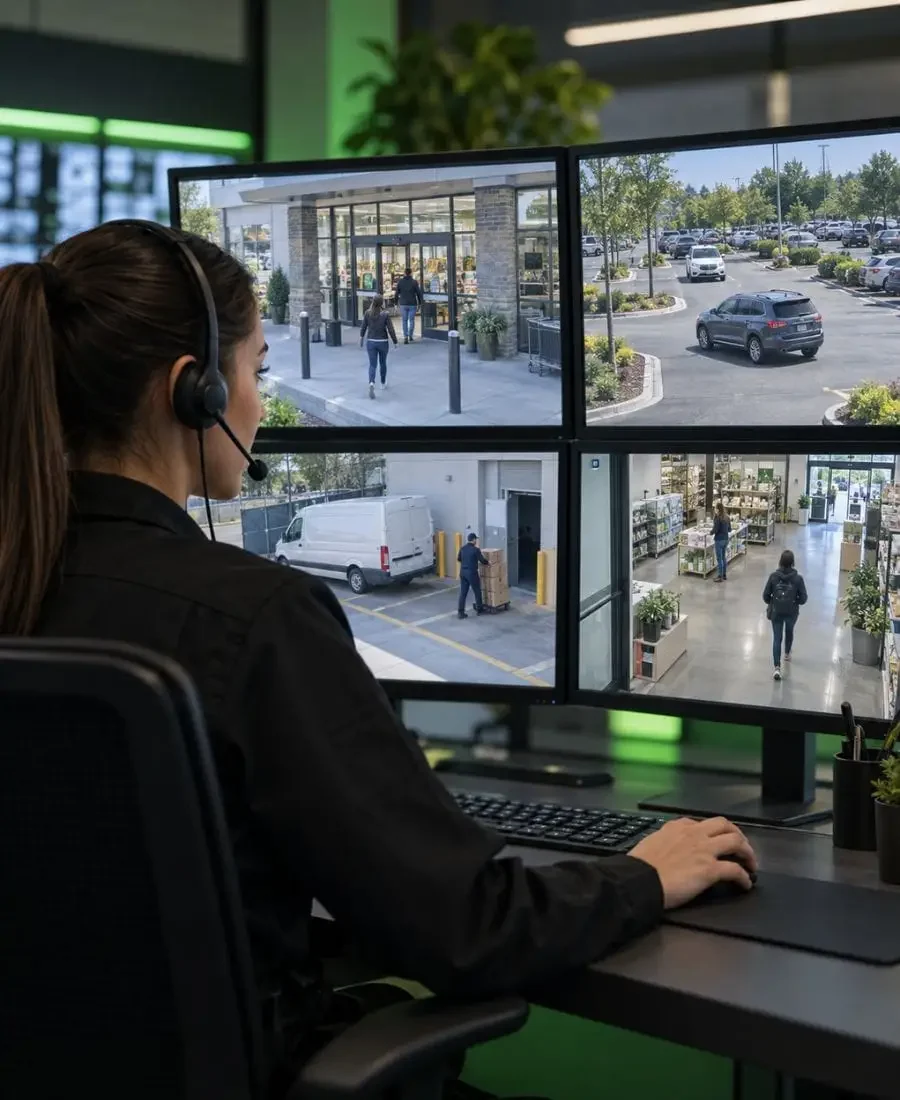
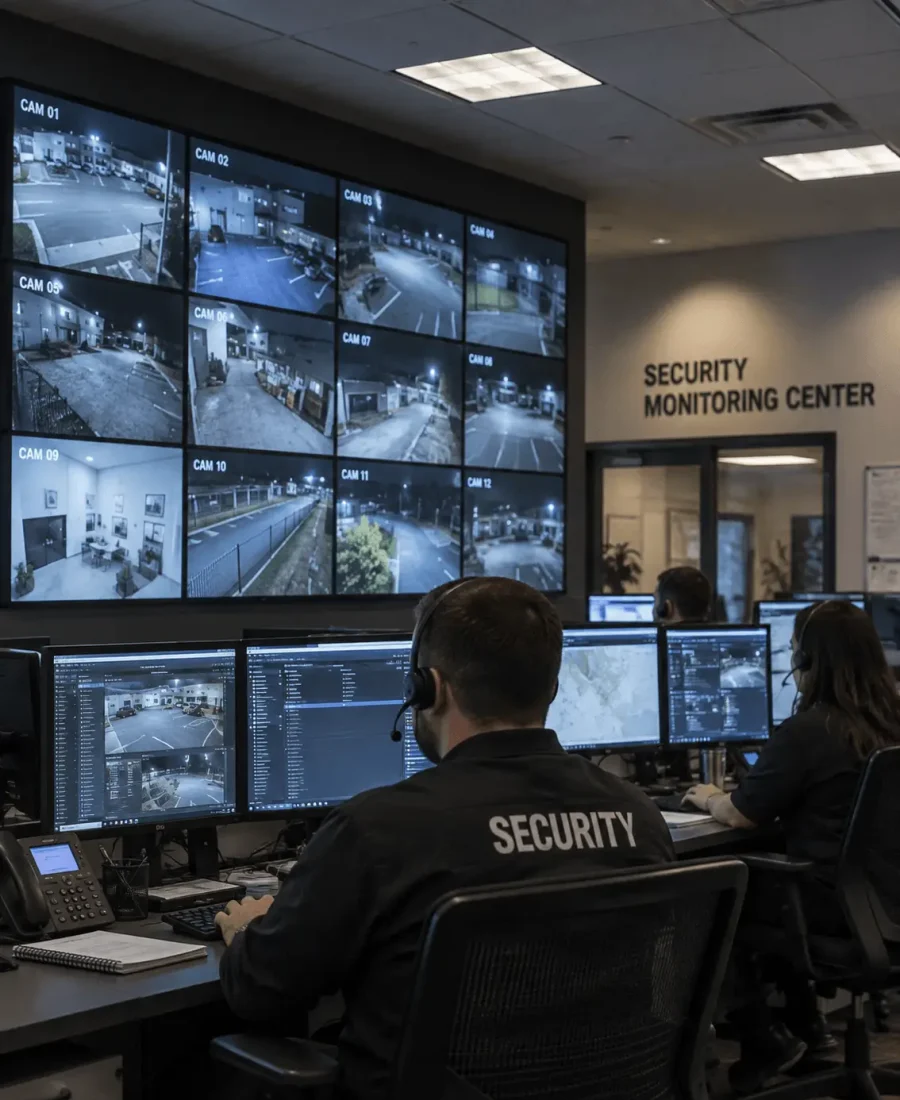
Bank security monitoring is a remote service that pairs live cameras placed around a branch with a monitoring center operator who watches ATM vestibules, drive-through lanes, entrances, and the parking lot in real time — verifying activity and responding while something is happening rather than reviewing it afterward.
Branches carry a different risk profile depending on the hour. During business hours, the exposure sits at the entrance and the parking lot, where an operator can confirm who is approaching before a door opens. After close, that exposure shifts to the ATM vestibule and drive-through lane, areas that stay active around the clock even when the lobby is locked and no staff remain on site.
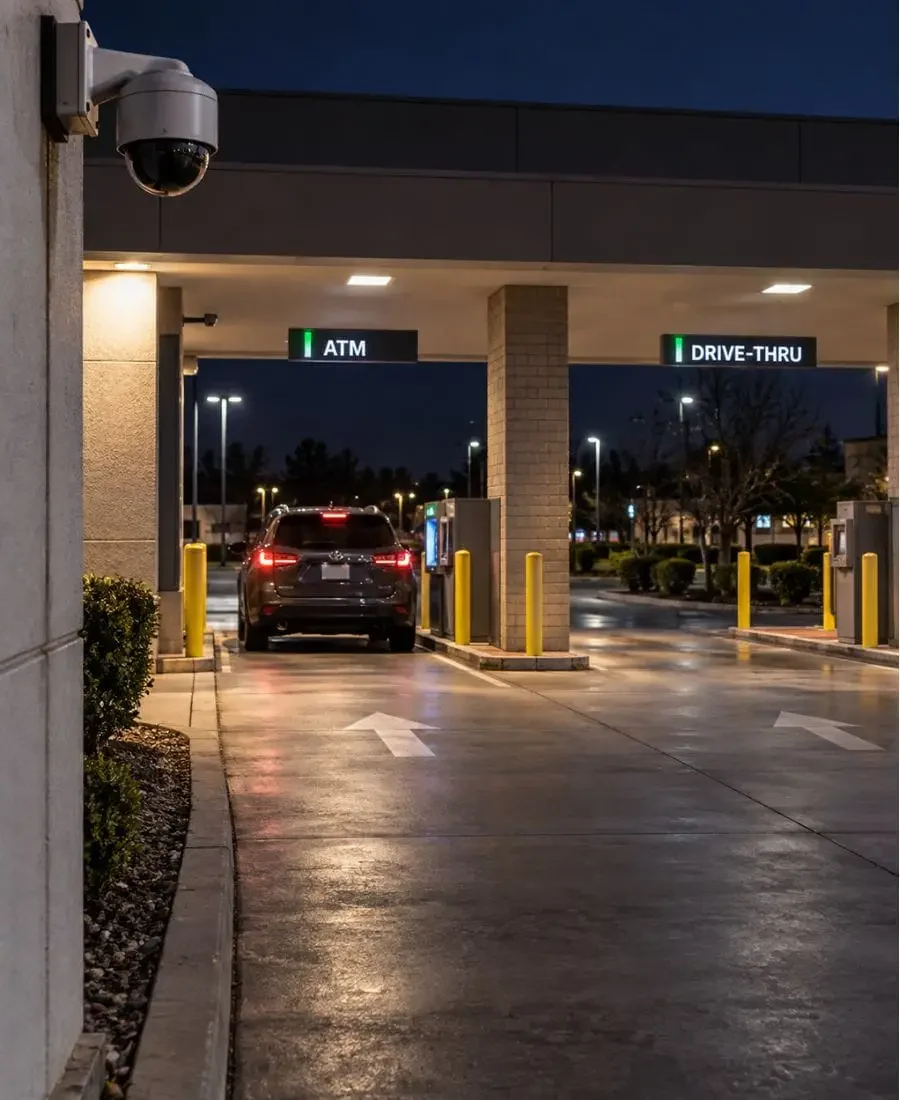
An unattended ATM vestibule or a drive-through lane after dark is a common target precisely because it’s unattended. Live cameras feeding a monitoring center mean someone is actually watching that vestibule at 2 a.m., not just recording it for a report filed the next morning.
Overnight vacancy is the branch’s biggest structural gap. A locked lobby doesn’t watch its own parking lot, entrances, or night-deposit area, and a break-in attempt during those hours has the most time to go unnoticed without a live set of eyes on the feed.
A recorded-only system can only confirm what already happened once someone reviews the footage. Live monitoring is built to change the outcome while the incident is still in progress, with an operator able to issue a live audio warning or contact law enforcement befo
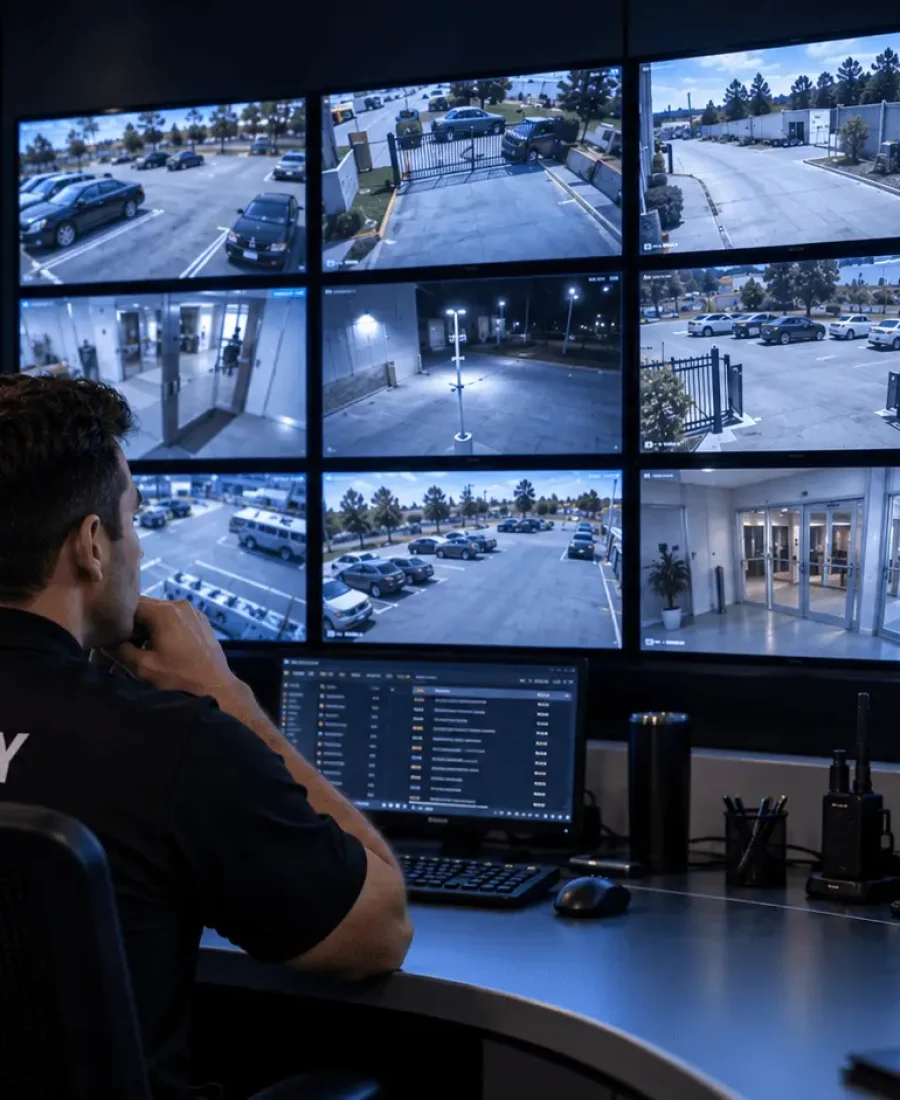
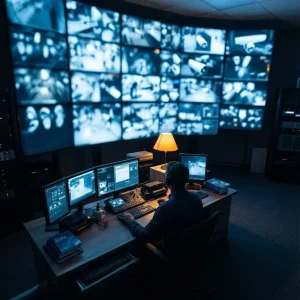
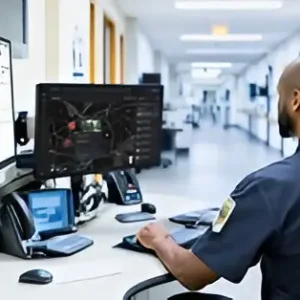
A monitoring center operator watches your branch feeds in real time, day and night, instead of storing footage for review after something has already happened.
Every camera placed on a branch property feeds into a monitoring center where a trained operator can see, hear, and respond to activity as it happens, rather than simply archive foo for a later report.
That distinction matters most in the hours a branch has no staff on site — evenings, weekends, and overnight — when a live operator is the only person a
The ATM vestibule and drive-through lane stay active long after the lobby closes, which is exactly why they carry the most coverage.
An ATM vestibule sees traffic at every hour, including the overnight window when no employee is present to notice anything unusual. Live camera coverage means an operator is watching that entry and the machine itself in real time, not reviewing a clip the next day.
Drive-through lanes carry the same exposure after dark — a vehicle idling at a night-deposit box or drive-up ATM for longer than a normal transaction is something a live operator can flag and respond to immediately.
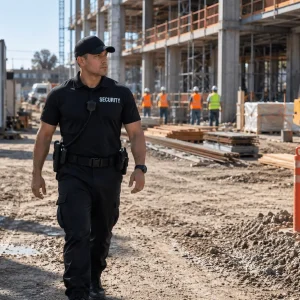
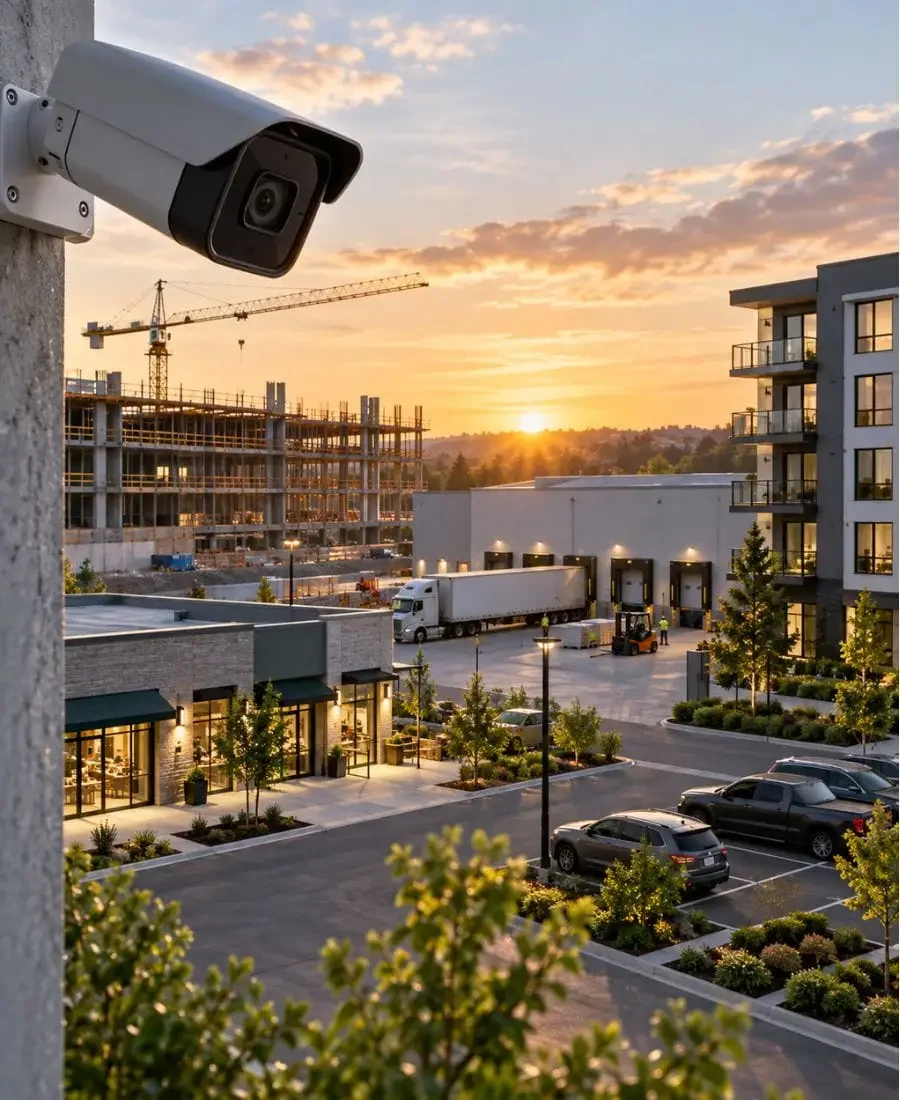
Active job sites lose equipment and materials to unsupervised overnight hours — the exact gap live monitoring is built to close.
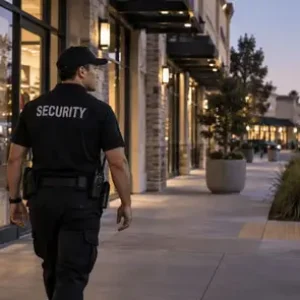
Temporary or relocatable camera coverage may be available for suitable retail properties, depending on site requirements, equipment availability, and the selected monitoring plan.
Office buildings, financial institutions, and other commercial properties need monitored coverage of entry points and parking areas outside business hours, when the building sits empty.
Financial institutions have specific security concerns involving bank branches, ATM entrances, drive-through lanes, and customer and employee parking lots. Virtual Guard CCTV provides video monitoring solutions that help identify suspicious activity around designated exterior areas while supporting the security needs of financial properties.
Our approach combines AI-powered detection with trained operator review during contracted monitoring hours. Camera placement and monitoring coverage can be tailored to a property’s layout, access points, and security priorities.
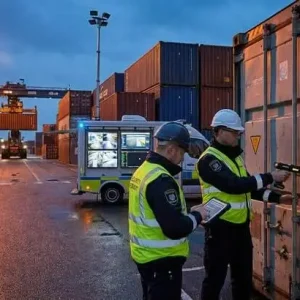
Beyond financial institutions, we also support retail stores, shopping centers, office buildings, warehouses, construction sites, apartment communities, and other commercial properties with security monitoring solutions suited to their individual needs.
Camera placement that covers the lobby doors isn’t the same setup that protects the ATM vestibule, drive-through lane, and parking lot overnight.
Entrance and lobby-door cameras cover the hours the branch is open, confirming who’s approaching before the doors unlock and giving staff a clear view of the parking area outside. ATM vestibule and drive-through cameras cover the transactions that continue whether or not staff are on site, day or night.
Parking lot and exterior cameras extend that coverage to the hours between close and open, when an empty lot, a locked branch, and an unattended vestibule are all still worth w
Live-monitored cameras, night vision, two-way audio, and a written record of what the monitoring center saw
and did — specifics you confirm with your compliance officer.
Every camera is monitored live and equipped with night vision, since branch risk concentrates around closing, overnight, and the vestibule and drive-through hours nobody is scheduled to staff. Entrance and vestibule cameras include two-way audio for direct, real-time warnings.
Branch managers reach their own feeds from a phone, and every flagged event closes with a written account of what the operator observed and the action taken — coverage that can be specified against your institution’s own security program.
Get a free site assessment and a monitoring plan built around the infrastructure your property already has in place.
Bank and credit union branches statewide are covered at ATM vestibules, drive-through lanes and lots after closing.
What branch and regional managers ask before coverage is specified.
Financial institutions are subject to their own federal and state security requirements, and those requirements vary by institution and regulator. We specify camera placement and monitoring coverage around your institution’s own security program, but we don’t represent that any system independently satisfies a specific regulation. Confirm retention periods, coverage specifics, and documentation requirements with your compliance officer before finalizing a plan.
A camera in or near the ATM vestibule feeds live video to a monitoring center, where an operator can watch the entry and the machine itself in real time rather than only recording it. If someone lingers at the door, tampers with the unit, or an unusual pattern develops, the operator can issue a live audio warning through the camera’s speaker or contact law enforcement while the person is still there.
Recorded-only cameras only show what happened once someone reviews the footage, often the next business day. Live monitoring puts a trained operator on the feed in real time, so unusual activity at the entrance, vestibule, or drive-through lane can be addressed while it’s still happening instead of documented after the fact
Yes. Cameras placed on the drive-through canopy and near a night-deposit box feed the same monitoring center as
the rest of the branch, so an operator watching the property overnight can see a vehicle at the ATM or a deposit at
the drop box as it happens, not just as a recorded clip reviewed later.
A monitoring center operator remains on the live feed after closing, through the overnight hours, and until the branch
reopens. That coverage is continuous rather than triggered only by a motion alert, so the exterior, vestibule, and lot
are being watched the entire time the branch has no staff on site.
No. Live video monitoring is a layer that watches and responds to activity on camera; it isn’t a substitute for a
branch’s alarm panel, access-control system, or internal security program. Systems are typically specified to work
alongside what a branch already has in place, and coordination with your existing security setup should be confirmed
with your compliance officer.