Apartment community security monitoring is a remote service that pairs live cameras with a monitoring center operator watching parking areas, gates, mail rooms, and amenity spaces in real time, verifying activity and intervening through live audio or a call to law enforcement before a break-in, theft, or liability incident occurs on the property.
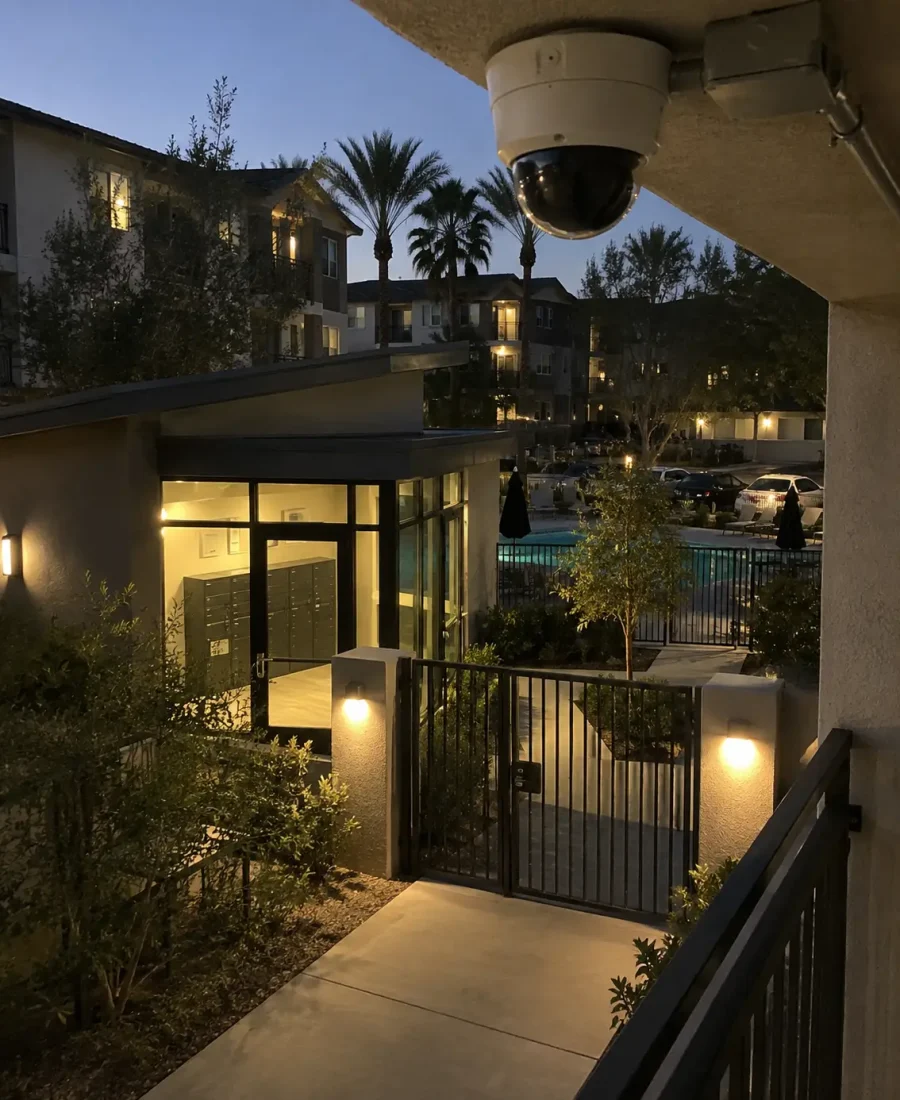
Package and mail rooms concentrate value in one unsecured space, especially during delivery-heavy afternoons when parcels sit unattended between drop-off and pickup, making that room a frequent target for theft that ownership is left to answer for, particularly at properties with a shared mail center rather than individually locked boxes.
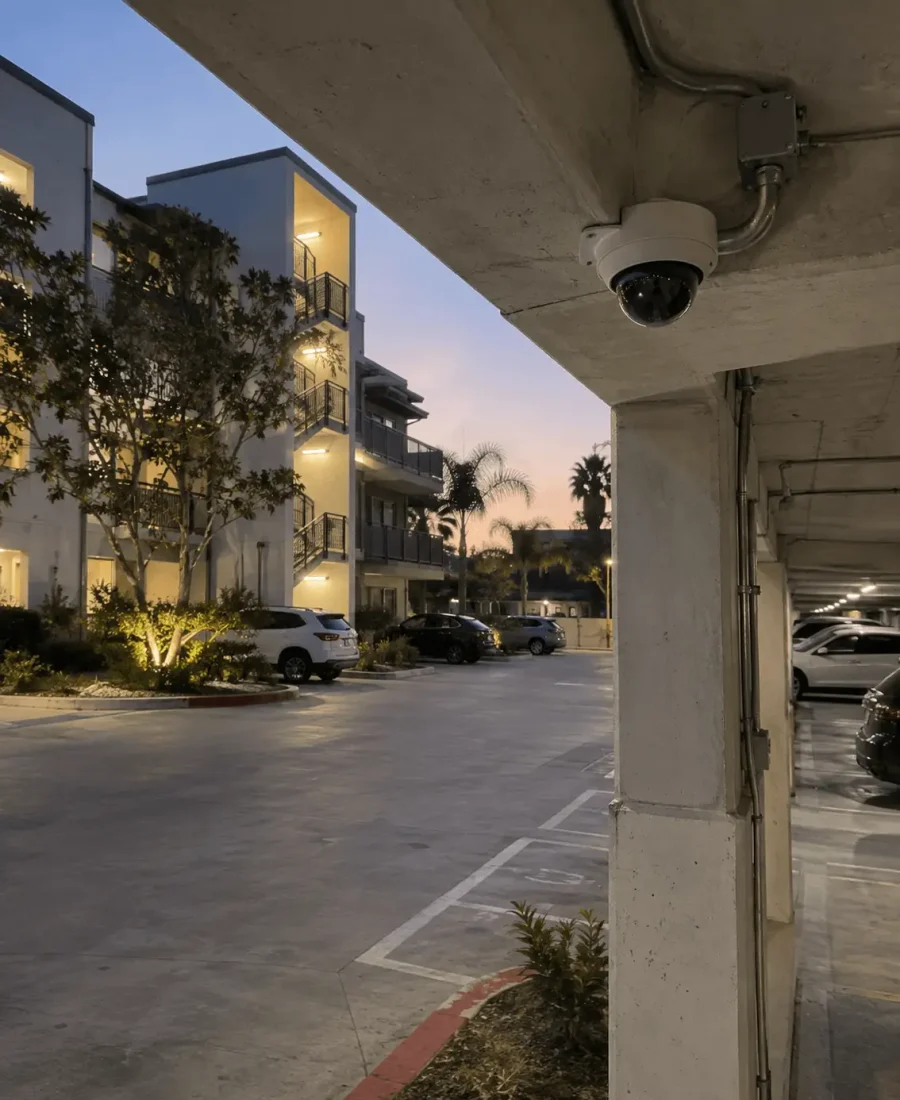
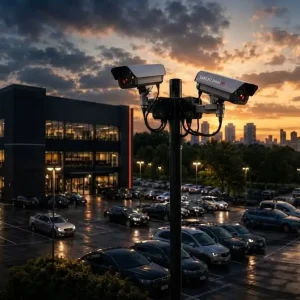
Parking structures and surface lots see break-ins and vehicle theft overnight when the property sits empty, and a gated entry loses its value the moment a second vehicle tailgates through behind an authorized card or fob without anyone confirming who actually entered.
Pools, clubhouses, and other amenity spaces draw trespassing and vandalism after posted hours, and vacant units or active construction and renovation areas sit exposed to break-ins and material theft with no one on-site to notice until the loss surfaces during a routine inspection.
A recorded-only camera system only shows what happened after property is already damaged or gone. Live monitoring is built to catch the incident on common ground before it turns into a liability claim against the ownership.
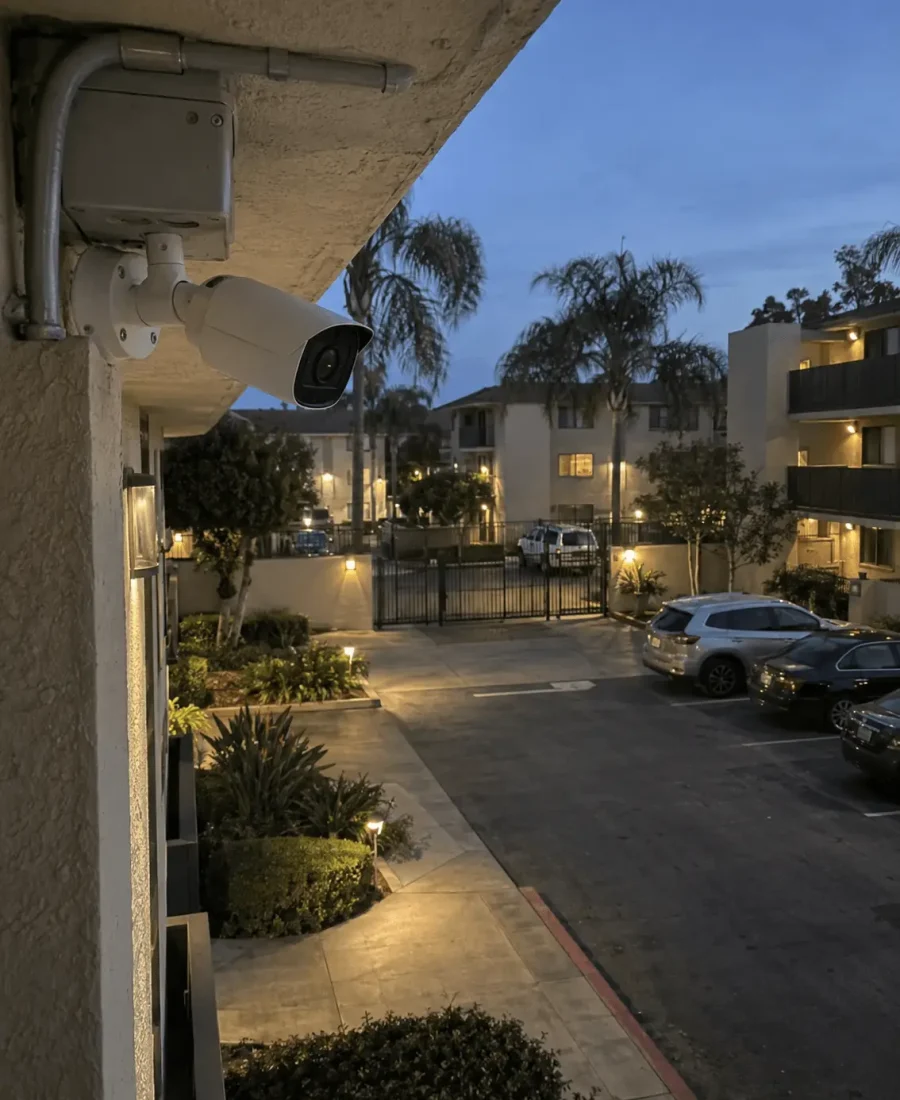
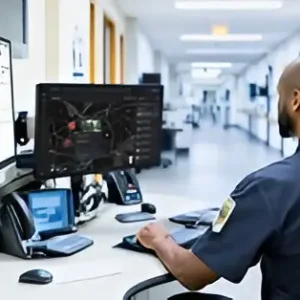
Virtual Guard CCTV pairs live cameras with a monitoring center operator watching your property’s shared spaces in real time, day and night.
Every camera we place on an apartment property feeds into a monitoring center where a trained operator can see, hear, and respond to activity across parking areas, gates, and common spaces as it happens, rather than store footage for a report filed later.
That distinction matters most overnight and during the gaps between staff shifts, when parking structures, gated entries, and amenity areas sit unattended and a break-in or trespass has the most time to go unnoticed.
Parking structures, surface lots, and shared common areas carry a different risk profile than any single building entrance.
Parking structures and surface lots draw vehicle break-ins, catalytic converter theft, and vandalism overnight, when the property has the least foot traffic and the most unlit corners for someone to work unseen.
Coverage across the perimeter, drive aisles, and stairwells gives an operator a full view of who enters and moves through shared property, rather than a single camera pointed at one entrance while the rest of the lot goes unaccounted for.
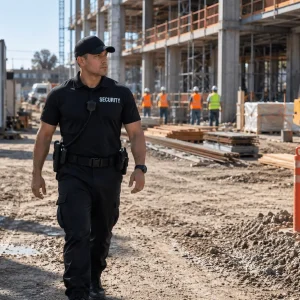
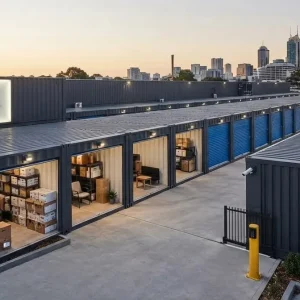
Active job sites lose equipment and materials to unsupervised overnight hours — the exact gap live monitoring is built to close.
Temporary or relocatable camera coverage may be available for suitable retail properties, depending on site requirements, equipment availability, and the selected monitoring plan.
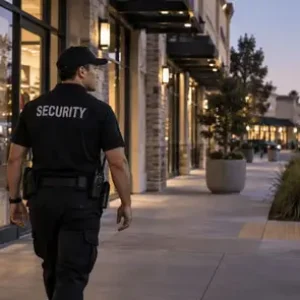
Office buildings, financial institutions, and other commercial properties need monitored coverage of entry points and parking areas outside business hours, when the building sits empty.
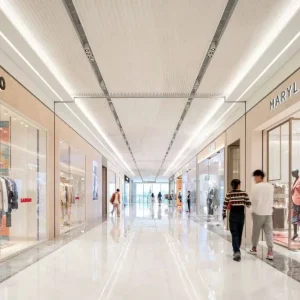
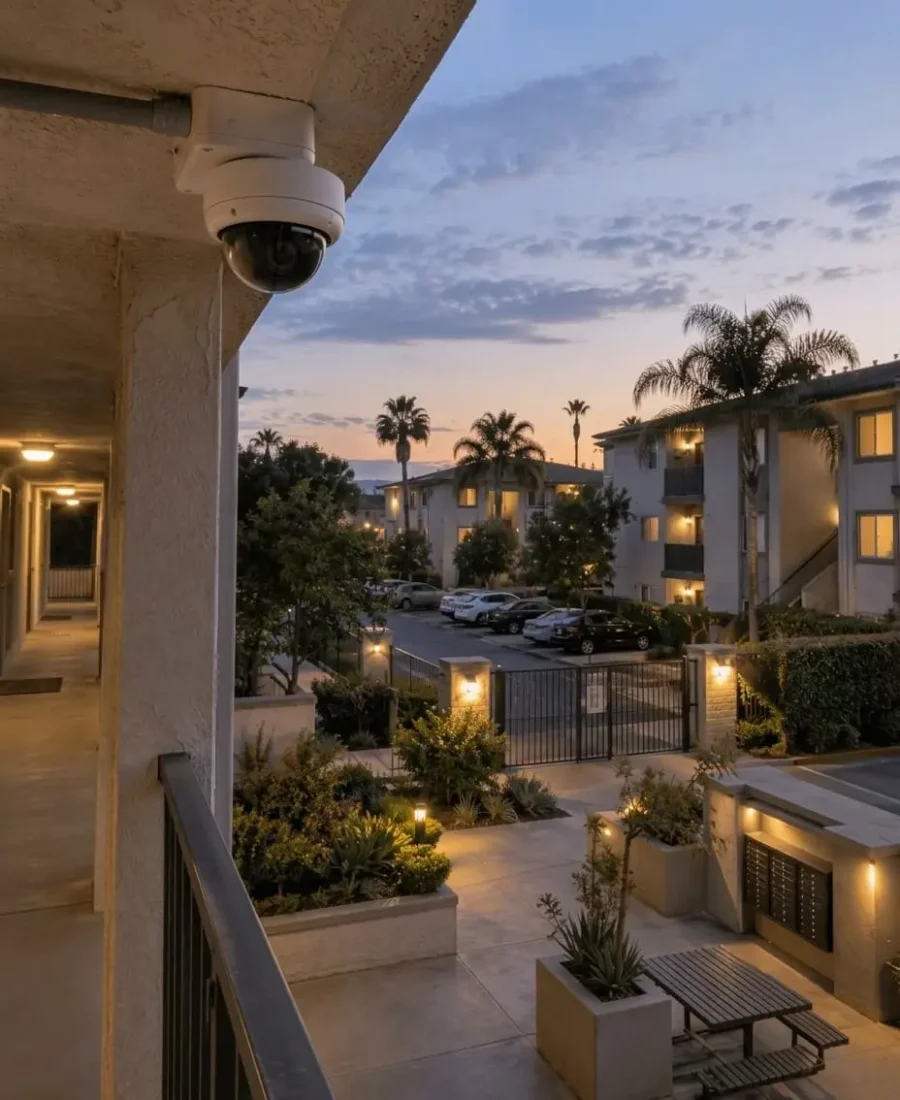
Apartment communities have shared spaces that require attention beyond individual residential units. Parking lots, garages, gated entrances, mailrooms, and package delivery areas can face security concerns involving unauthorized access, vehicle break-ins, and package theft.
Shared amenities such as pools, clubhouses, fitness centers, and outdoor gathering areas may also experience trespassing or vandalism, particularly outside regular operating hours. Monitoring these designated spaces can help property managers identify suspicious activity and address potential security concerns.
Camera placement can be planned around building entrances, pedestrian walkways, parking structures, and other common access points based on the property’s layout and security priorities.
Virtual Guard CCTV combines AI-powered detection with trained operator review during contracted monitoring hours to support security across designated common areas. Actual coverage depends on installed equipment, camera placement, and the agreed monitoring plan.
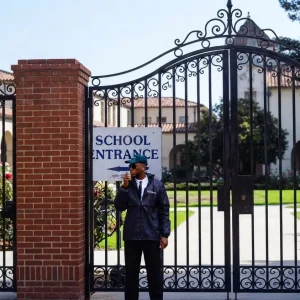
Gated entries, package rooms, and amenity spaces carry the most risk in the hours between the last staff shift and the next morning’s rounds.
A gate only controls access as long as one vehicle enters per authorized credential, and a package room stacked with deliveries becomes an easy target the moment the leasing office closes for the day.
Pools, clubhouses, and fitness rooms left unstaffed after hours draw trespassing and vandalism, and live coverage lets an operator issue a warning or call it in before damage is done and staff arrive to a mess the next morning.
Every flagged incident comes with a documented record of what the monitoring center saw and did on your property.
Owners and property managers get a written record of every flagged incident, including timestamps and the action the monitoring center took, information that supports an insurance claim or a liability defense rather than a pile of raw recordings.
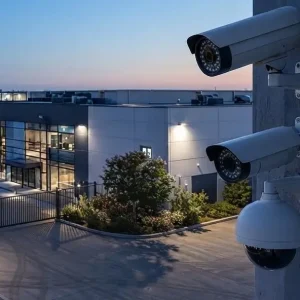
Cameras across common areas, gates, and parking run with night vision and two-way audio, so incidents on shared property are documented the same way whether they happen at noon or overnight.
Get a free security assessment and a monitoring plan built around your property’s common areas, parking, and amenity spaces.
Apartment and HOA communities across California are monitored in common areas only — gates, garages, mail rooms and amenities.
Here are the most common questions property managers and owners ask about live video monitoring for apartment communities.
Package and mail rooms concentrate value in a single space that sits unattended between deliveries and pickup, making them a common target. Live monitoring keeps a camera on that room feeding a monitoring center in real time, so an operator can watch activity as it happens, issue a live audio warning through the camera’s speaker, and alert on-site staff or law enforcement before packages leave the property. Recorded-only cameras can only confirm what was taken after the fact; live monitoring is built to catch it while it’s still happening on the property you manage.
Parking structures and lots see the most break-ins and vandalism overnight, when the property has the least activity and the most unlit corners. Camera coverage across the perimeter, drive aisles, and stairwells feeds a monitoring center around the clock, so an operator watching in real time can spot someone working a row of vehicles and intervene with a live warning or a call to law enforcement, rather than reviewing a break-in report the next morning.
A gate only controls access as long as one vehicle enters per authorized credential. Tailgating happens when a second vehicle follows through before the gate closes, and a camera alone can’t tell the difference. Live monitoring puts an operator on that entry point who can watch the gate in real time, confirm whether a follow-through looks authorized, and respond with a warning or a call before an unauthorized vehicle is anywhere else on the property.
Vacant units and active construction or renovation areas sit exposed with no one scheduled on-site to notice a break-in or material theft. Temporary camera coverage on these areas feeds the same monitoring center watching the rest of the property, so an operator can flag activity in a unit that should be empty and respond in real time instead of discovering the loss at the next scheduled walkthrough.
Every flagged incident includes a record of what the camera captured and what the monitoring center did in response, with a timestamp tied to the event. That record gives ownership and property management something concrete to hand an insurance carrier or use in a liability review, rather than a drive full of unreviewed footage that has to be searched after the fact.
Coverage can be scoped to a single vacant building, a phased renovation, or a specific set of common areas rather than the entire property at once, and adjusted as the phase changes. Contact us for a quote built around your property’s current layout and needs.