GET A QUOTE
Storage Gate & Corridor Security

Self-Storage Facility Monitoring

Self-Storage Security

What Is Self-Storage Security Monitoring?

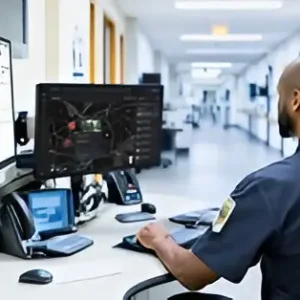
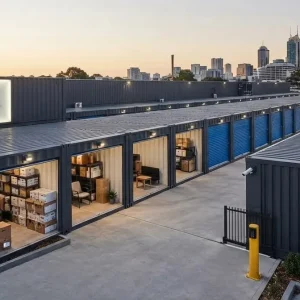
Self-storage security monitoring pairs cameras at the gate, drive-up rows, and building corridors with a monitoring center operator who watches the property live, verifying who is actually on site and stepping in through live audio or a call to authorities before a cut lock or gate breach turns into a completed break-in.

Most self-storage facilities run with no staff on site for the majority of the day, and many run unstaffed entirely outside a small office window. That leaves the gate, the drive-up rows, and the corridors between climate-controlled units as the only line of defense for hours at a stretch.

The access gate and any pedestrian side gate are the two points a facility depends on most, and both are common failure points — a tailgating vehicle, a propped gate, or a cut chain can put someone inside the fence line without ever triggering a keypad alarm.

Because tenants come and go at odd hours with their own gate codes, a camera alone can’t tell a legitimate renter moving boxes at 11 p.m. from someone who doesn’t belong there. A live operator watching the feed can make that call in real time instead of guessing after the fact.

Cut padlocks and forced roll-up doors are the most common form of loss on a storage property, and the often in the time it takes a recorded system to simply log the motion event. Footage reviewed the next m confirms what was taken; live monitoring is built to interrupt the attempt while the lock is still being cut.

What We Provide

COMPLETE SECURITY SOLUTION

520 X 340 (3)
Mostly Unstaffed by Design

Every Aisle Watched, Not Just Recorded

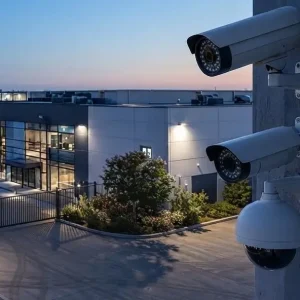
Security cameras positioned around access gates, drive-up rows, and building corridors can help identify suspicious activity during contracted monitoring hours.

When activity is flagged, trained operators can review the available footage and follow established response procedures. Actual camera coverage and response capabilities depend on the facility’s equipment and monitoring plan.

This approach gives facility managers additional visibility into potential security concerns during periods when staff are not on-site.

The Gate and the Rows Behind It

Watching the Gate When No One Else Is There

A facility with no staff on site depends entirely on its gate and fence line holding, which is exactly where live monitoring earns its place.

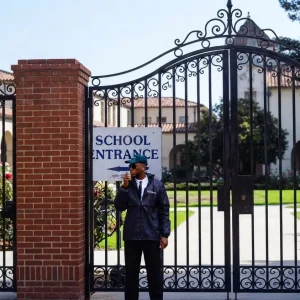
The access gate is the single point most facilities rely on to keep out anyone without a rental agreement, but tailgating behind an entering vehicle, a propped gate, or a cut perimeter fence can bypass it without tripping a single keypad alarm.

Cameras covering the gate, the fence line, and pedestrian side entrances feed a monitoring center around the clock, so an operator can catch a tailgating vehicle or a person scaling the fence the moment it happens, not on a manager’s next site visit.

520 X 340 (3)
Industries We Protect

Related Property Types

Years of experience
0 +
Businesses Protected
0 +
BBB
A+
Monitoring
0 /7

CONSTRUCTION SERVICES

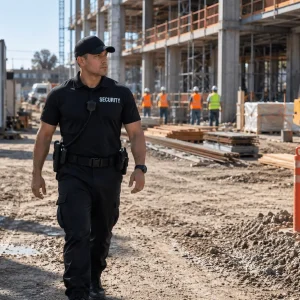
Active job sites lose equipment and materials to unsupervised overnight hours — the exact gap live monitoring is built to close.

Years of experience
0 +
Businesses Protected
0 +
BBB
A+
Monitoring
0 /7

RETAIL SERVICES

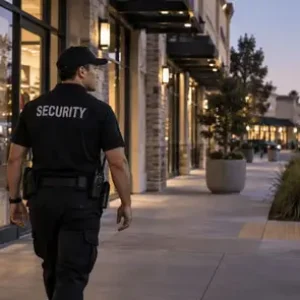
Temporary or relocatable camera coverage may be available for suitable retail properties, depending on site requirements, equipment availability, and the selected monitoring plan.

Years of experience
0 +
Businesses Protected
0 +
BBB
A+
Monitoring
0 /7

INDUSTRIAL SERVICES

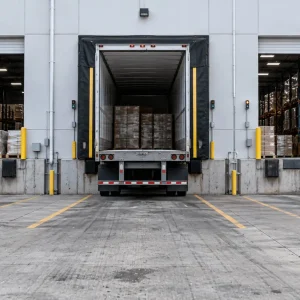
Warehouses and distribution facilities carry high-value inventory across large, hard-to-patrol footprints, where live camera coverage replaces walking a perimeter that’s too big to physically check.
Years of experience
0 +
Businesses Protected
0 +
BBB
A+
Monitoring
0 /7

COMMERCIAL SERVICES

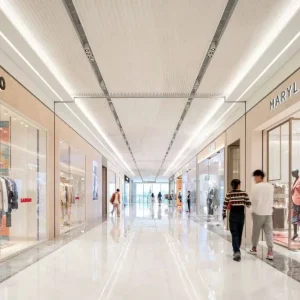
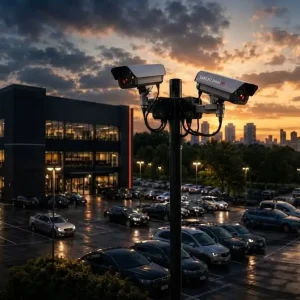
Office buildings, financial institutions, and other commercial properties need monitored coverage of entry points and parking areas outside business hours, when the building sits empty.

520 X 340 (3)
Storage and Similar Sites

Other Gated Properties We Keep Eyes On

Self-storage facilities share security challenges with other gated properties, including controlling access, monitoring vehicle activity, and protecting equipment or belongings after business hours. However, each property type has different layouts, traffic patterns, and areas that require attention.

Commercial parking lots and apartment communities often have frequent vehicle and pedestrian movement, while construction sites, warehouses, and equipment yards may have limited activity outside operating hours. Entrances, perimeter fences, loading areas, and outdoor storage spaces can present different security concerns depending on how each property is used.

Virtual Guard CCTV provides video monitoring solutions for these property types, with camera placement and monitoring coverage planned around each site’s layout, access points, and security needs.

Live Voice Intervention

An Operator Who Can Speak Up After Hours

A camera that only records can’t stop someone at the gate or in a corridor — a live operator with two-way audio can, before the situation escalates.

When a camera flags activity at the gate or along a unit row after hours, a monitoring center operator reviews the feed and can speak directly through the camera’s speaker, warning an unauthorized person that they’ve been seen and are being recorded.

If the person doesn’t leave, the operator escalates to a call to local law enforcement while relaying real-time updates from the live feed, rather than waiting for a manager to find the damage the next day.

520 X 340 (3)
520 X 340 (3)
Built for Tenant Disputes

What's Included With Self-Storage Monitoring

Self-storage monitoring solutions can include cameras covering entrances, drive-up rows, and building corridors, with available features determined by the property’s security needs and selected service plan.

During contracted monitoring hours, connected cameras can support AI-powered detection and operator review. Night vision and two-way audio capabilities depend on the installed equipment and agreed coverage.

Where available, facility managers may access footage and incident information for reviewing security events or supporting tenant disputes and insurance documentation. Recording retention, incident reports, and remote access depend on the system configuration and service agreement.

Ready to Monitor Your Self-Storage Facility?

Give us the gate configuration and your access hours, and we’ll return coverage for the entry, the rows, and the corridors.

WHERE WE SERVE

Self-Storage Coverage Across California

Storage facilities across the state run unstaffed for long stretches, so operators watch gates and aisles through every empty hour.

Los Angeles County Orange County San Diego County Riverside County San Bernardino County Ventura County Santa Clara County Alameda County Sacramento County San Joaquin County
self-storage questions

Self-Storage Security FAQ

What facility owners ask about covering a gate, rows, and corridors.

How do you monitor a self-storage facility with no staff on site?
Cameras positioned at designated gates, drive-up rows, and building corridors can help identify suspicious activity when staff are not on-site. During contracted monitoring hours, operators can review flagged events and follow established response procedures. Camera coverage, audio warnings, and escalation options depend on the installed equipment and monitoring plan.

An operator watching the live feed looks at behavior, timing, and access patterns rather than assuming everyone who enters is a threat. Someone using a valid gate code to move boxes at an odd hour reads differently than someone climbing a fence or tailgating behind another vehicle. When the activity looks suspicious, the operator can issue a live audio warning or escalate to a call, rather than treating every after-hours visit the same way.

Security cameras covering storage unit rows can help detect suspicious activity, including attempts to cut locks or force entry. During contracted monitoring hours, trained operators can review flagged footage and follow the facility’s established response procedures. Unlike recorded-only systems, live monitoring provides an opportunity to assess suspicious activity as it occurs, depending on camera coverage and monitoring capabilities.

Yes. Access gates and pedestrian side gates can be included as dedicated camera positions because they are important entry points for a self-storage facility. Cameras positioned around these areas can help identify tailgating vehicles, gates left open, and attempts to force entry. Actual coverage depends on the facility’s layout, installed equipment, and monitoring plan.

Footage and incident information may be available for review following a security event, depending on the installed system, recording retention, and monitoring plan. Where incident reporting is included, available records may document what cameras captured and any actions taken by operators. Requests for footage or documentation can be coordinated according to the facility’s service agreement and applicable access procedures.

Yes. Drive-up units can be monitored using exterior cameras positioned along vehicle access lanes, while climate-controlled buildings may use interior cameras near entrances and hallway intersections. Both areas can be included in a facility’s monitoring plan, with camera placement and operator coverage determined by the property’s layout and installed equipment. Audio capabilities depend on the camera system and agreed service scope.