A box unit remote monitoring system is a self-contained camera and communications unit that connects a property’s existing cameras or its own built-in camera to a live monitoring center, so an operator can watch and respond to activity in real time without a full trailer or a permanent guard shack on site.
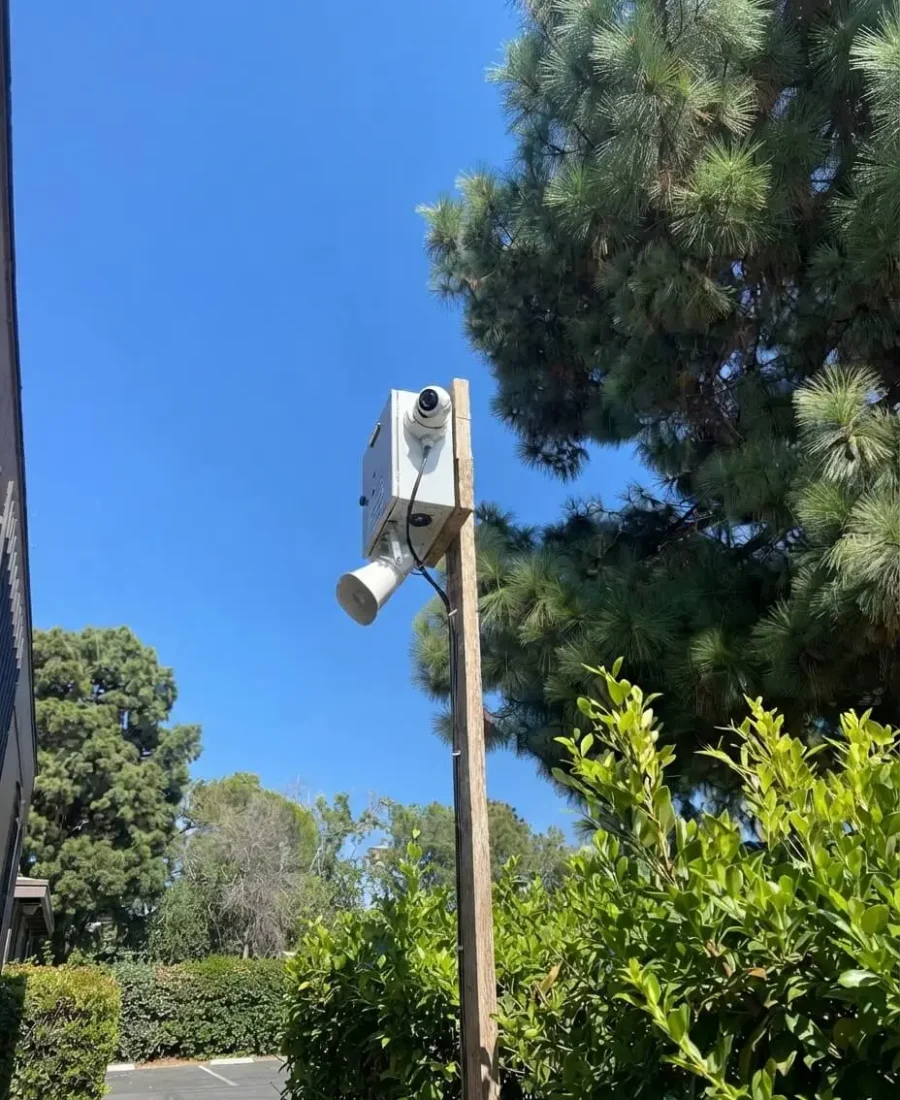
The “box” is the unit itself: a compact, weatherproof housing that holds the camera, a cellular or network connection, and the hardware needed to send live video out to a monitoring center. It’s built for a property that already has power and mounting points in place, not a bare lot that needs a freestanding tower.
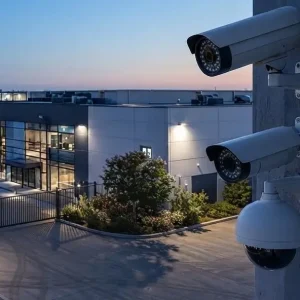
Because the unit is self-contained, it mounts to an existing pole, wall, or rooftop point rather than requiring new trenching or a dedicated structure. That makes it a fit for sites with infrastructure already in place — an existing camera run, a light pole, or a building eave with a clear sightline.
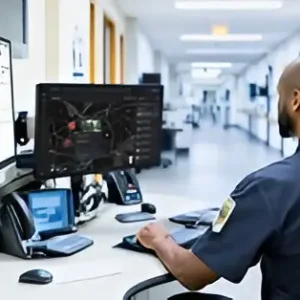
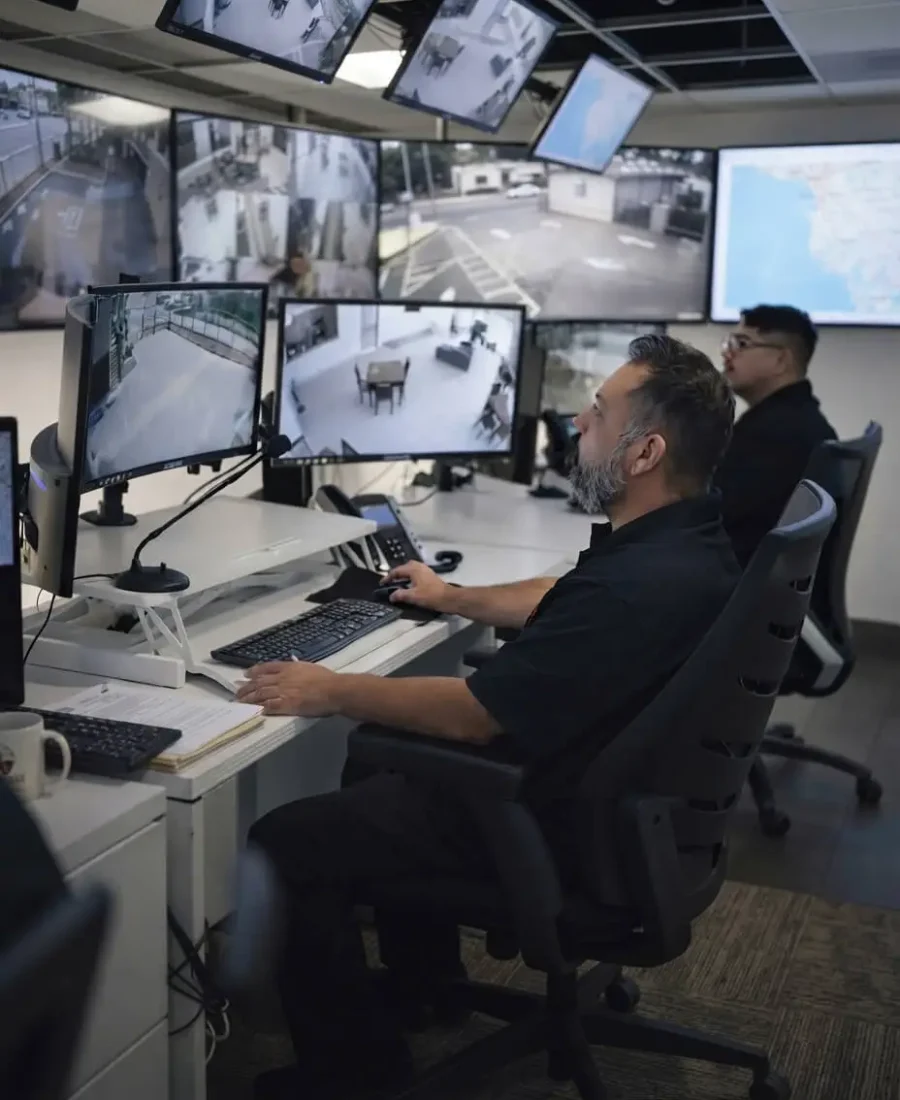
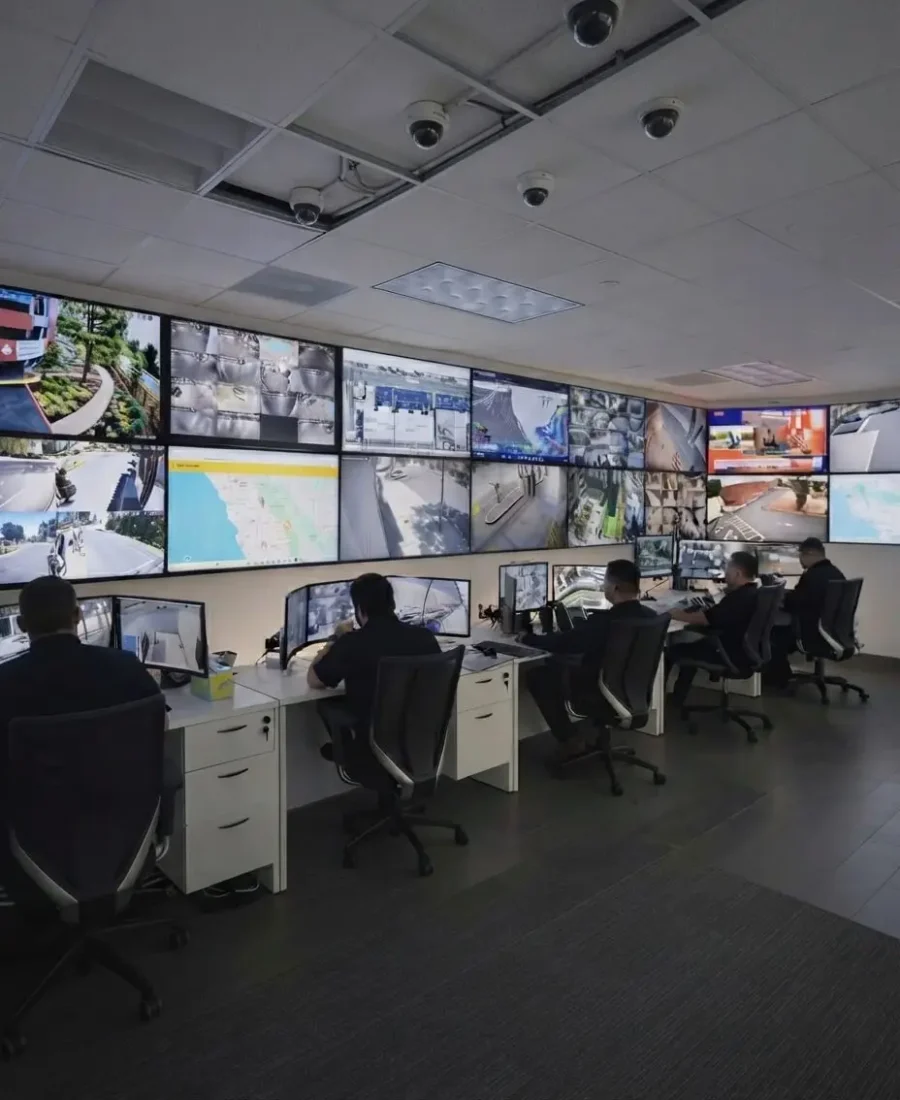
Once mounted, the unit connects over cellular or the property’s own network to a monitoring center, where an operator has live access to the feed around the clock, not just a recording pulled after an incident is reported.
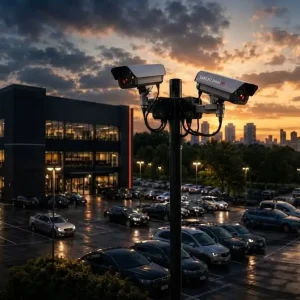
Coverage extends to whatever the mounting point can see — an entrance, a loading area, a fence line, or a section of yard — with the unit acting as the eyes and the monitoring center providing the response.
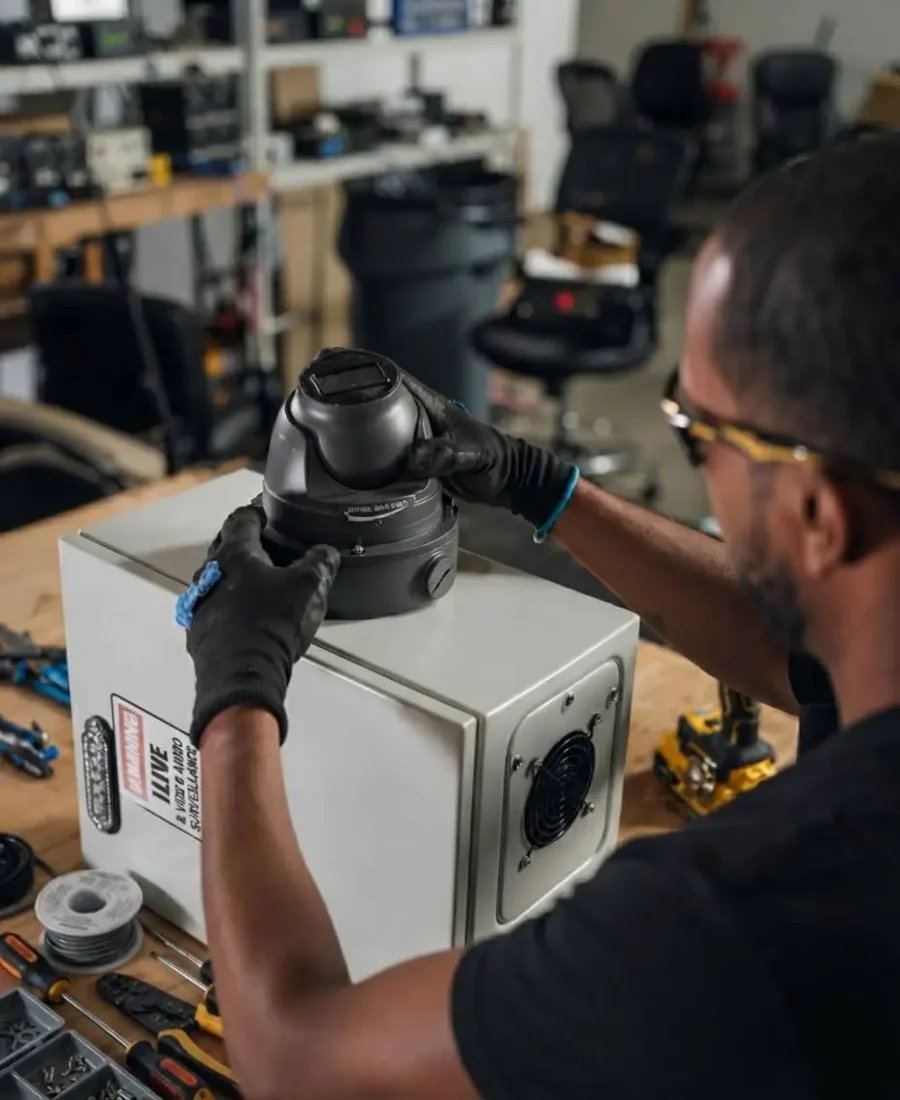
Virtual Guard CCTV’s box unit connects to property infrastructure already in place, pairing it with a live
monitoring center instead of a standalone tower.
Not every property needs a freestanding trailer or a new pole put in the ground. A site with an existing camera run, a light pole, or a rooftop mounting point already has what a box unit needs to go live.
The unit itself does the connecting — pulling in the camera feed and sending it out to a monitoring center where an operator is watching, not just storing footage for later.
Installation attaches the unit to an existing mounting point and links it to a monitoring center over cellular or the property’s own network.
The unit mounts to whatever structure already has a clear sightline — a pole, an eave, or an exterior wall — using the property’s existing power where it’s available, so a crew is on and off site in a single visit.
Once mounted, it connects over a cellular link or the site’s own network connection, sending live video straight to a monitoring center rather than storing it locally for someone to review later after the fact.
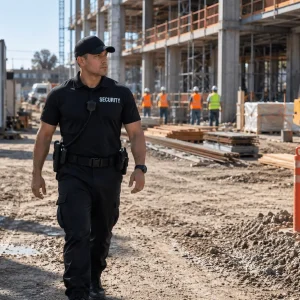
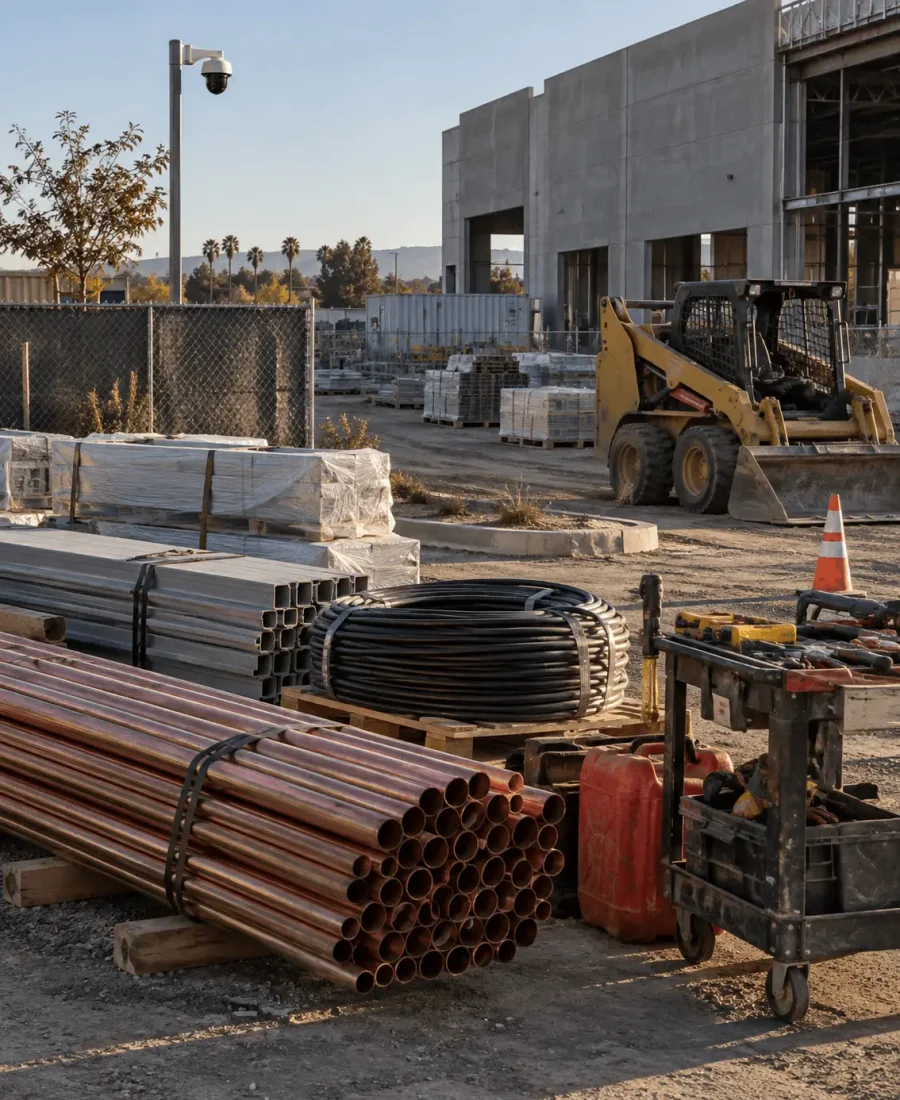
Active job sites lose equipment and materials to unsupervised overnight hours — the exact gap live monitoring is built to close.
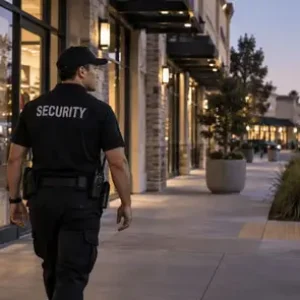
Temporary or relocatable camera coverage may be available for suitable retail properties, depending on site requirements, equipment availability, and the selected monitoring plan.
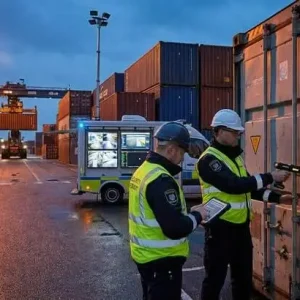
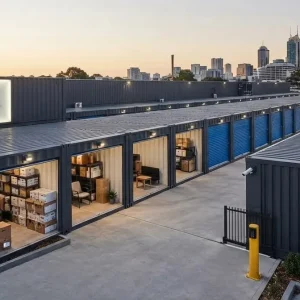
Office buildings, financial institutions, and other commercial properties need monitored coverage of entry points and parking areas outside business hours, when the building sits empty.
Virtual Guard CCTV is a modern security company built to help businesses protect their properties with smarter technology, live monitoring, and real human intervention.
We believe security should be proactive, not reactive. Instead of only recording incidents after they happen, our system combines AI-powered detection with trained live operators who monitor activity, verify threats, issue warnings, and respond in real time.
Our team supports construction sites, commercial properties, apartment communities, warehouses, retail locations, parking facilities, and high-risk environments that need dependable protection.
Coverage runs to whatever the box unit’s mounting point can actually see, with a live operator reviewing every flagged alert before anything is allowed to escalate.
Mounted to an entrance, a fence line, or a loading area, the unit’s feed covers exactly what that point can see — no more, no less — so placement is chosen around the sightline that matters most on the property.
When motion or an alert comes through, a live operator reviews the feed directly, confirming what’s actually happening before any response goes out, rather than forwarding an automated alert with no context attached.
A live-monitored feed, night vision, and a record of what the monitoring center saw and did — not just a camera bolted to a pole.
The box unit’s feed is monitored live and equipped with night vision, since most flagged activity happens after dark or outside business hours when the mounting point sees the least foot traffic.
Every alert the monitoring center acts on is logged, so you get a record of what was seen and what response followed — a live audio warning, a call placed, or activity dismissed as routine — not just a folder of unreviewed clips.
Get a free site assessment and a monitoring plan built around the infrastructure your property already has in place.
Box units suit properties that already have power and a network connection, and we install them at commercial sites statewide.
What comes up most when a property already has cameras or a mounting point.
A box unit remote monitoring system is a self-contained camera and communications housing that mounts to an existing pole, wall, or rooftop point and connects that feed to a live monitoring center. Instead of a freestanding trailer or a new structure, it uses infrastructure the property already has — an existing camera run, power source, or mounting point — to bring live monitoring online.
It’s built for sites that already have a usable mounting point and power nearby, such as a light pole, building eave, or exterior wall with an existing electrical run. A bare lot with no structure to mount to is generally a better fit for a trailer-based unit instead, since that option brings its own power and mounting frame with it.
The unit sends its feed out over a cellular connection or the property’s own network connection, depending on what’s available at the mounting point. That live feed reaches the monitoring center continuously, so an operator has real-time access rather than a recording that has to be pulled and reviewed after the fact.
An alert routes to a live operator, who pulls up the feed and reviews what actually triggered it before any response goes out. Depending on what’s confirmed, that can mean a live audio warning through the unit’s speaker or a call to law enforcement while the activity is still happening on the property.
A box unit is one camera position, not a full multi-camera system on its own. Many properties use it to extend live monitoring to a specific point — an entrance, a fence line, a loading area — either as a starting point before a larger buildout or alongside an existing camera system that already covers the rest of the property.
The housing is weatherproof and the camera includes night vision, so coverage continues after dark and through typical weather conditions at the mounting point. Placement still matters — a sightline blocked by heavy rain, fog, or an obstruction will limit what the unit and the monitoring operator can see, the same as any other outdoor camera.